
Basilica of St. Francis, Assisi — A Complete Pilgrimage Guide
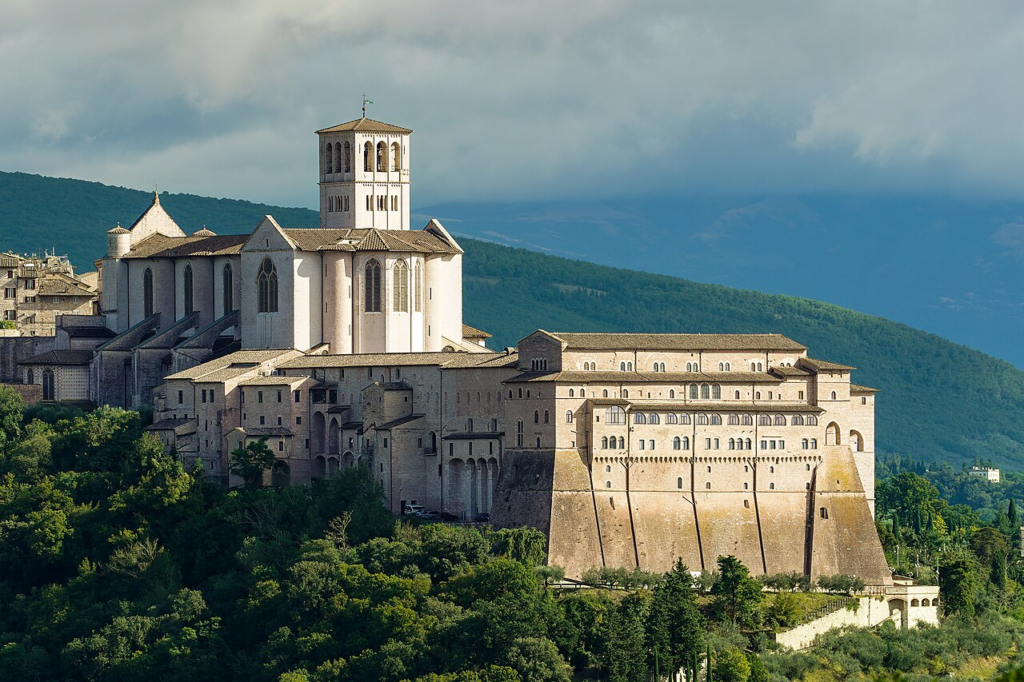
Assisi, nestled in the heart of Italy’s Umbria region, is one of the most cherished pilgrimage destinations in the Catholic world. Known for its medieval beauty, peaceful atmosphere, and deep spiritual heritage, it is the home of St. Francis—one of the Church’s most beloved saints and the founder of the Franciscan Order. For U.S. Catholic parish groups and travelers seeking a reflective, prayer-filled experience, Assisi offers an unforgettable encounter with faith, simplicity, and history.
This guide explores the life of St. Francis, the sacred basilicas built in his honor, the most important places to visit, and practical travel insights for pilgrims. Whether you join a group or craft your own journey through a custom pilgrimage package, Assisi invites you to walk in the footsteps of a saint whose life still inspires the world today.
History of St. Francis of Assisi
The story of St. Francis begins in the late 12th century, when he was born as Giovanni di Pietro di Bernardone in Assisi¹. Raised in a wealthy merchant family, Francis spent his youth enjoying comfort, social status, and dreams of becoming a knight. His early life changed dramatically after a spiritual awakening led him to renounce material wealth and embrace a life of humility and poverty.
A Life Transformed
After experiencing illness and a period of imprisonment from war, Francis felt called to deepen his relationship with God. Moments of prayer in the small church of San Damiano became pivotal. According to tradition, Christ spoke to Francis from the crucifix there, calling him to “rebuild My Church,” a message Francis embraced both physically and spiritually².
Founding the Franciscan Order
As Francis’ way of life attracted followers, he formed a brotherhood committed to poverty, simplicity, and preaching the Gospel. This community became the Order of Friars Minor, approved by Pope Innocent III in 1209³. Francis’ teachings emphasized joy, humility, care for the poor, and reverence for all creation.
Legacy of Holiness
St. Francis’ profound humility and love for God shaped a movement that continues to inspire millions. His influence on the Church includes:
- Radical commitment to living the Gospel
- A vision of peace and reconciliation
- Reverence for creation as God’s handiwork (expressed in the Canticle of the Creatures)
- A deep devotion to Christ’s Passion (leading to his reception of the stigmata)⁴
Today, pilgrims from around the world visit Assisi to honor the saint who transformed the Church through simplicity, service, and unwavering faith.
The Basilica of St. Francis (Upper & Lower Basilicas)
The Basilica of St. Francis is the spiritual heart of Assisi and one of the most significant pilgrimage sites in the Catholic world. Built shortly after St. Francis’ death, the basilica serves as both a sacred place of worship and a memorial to the saint whose life transformed the Church. The complex includes two major churches—the Upper Basilica and the Lower Basilica—as well as the crypt where St. Francis’ tomb is located⁵.
Upper Basilica: Light, Color, and the Life of St. Francis
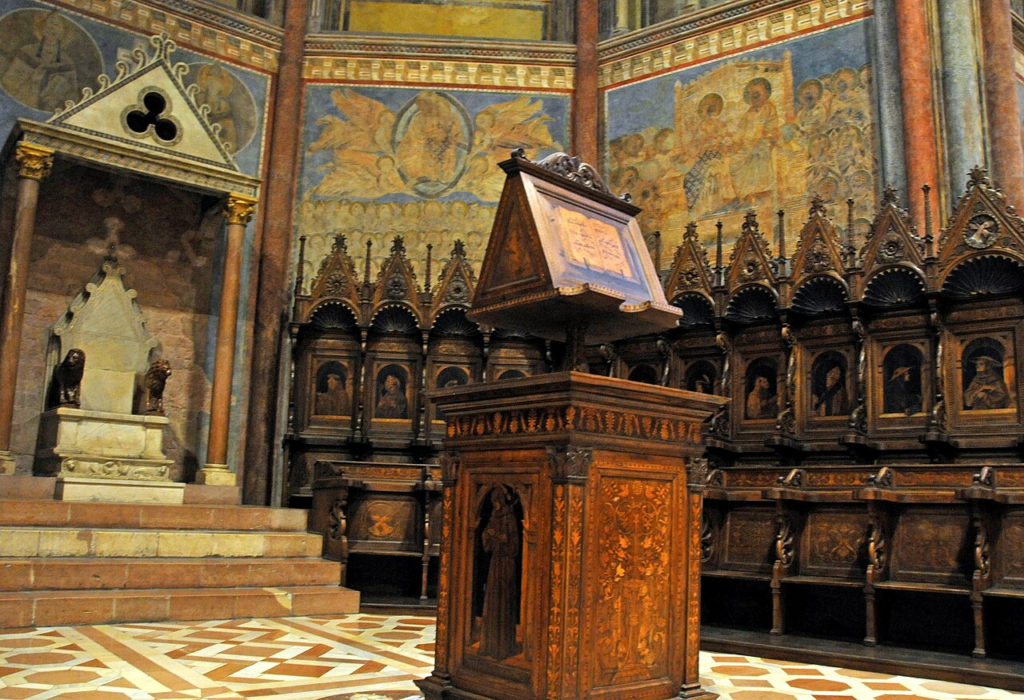
The Upper Basilica is known for its soaring Gothic architecture, bright light, and world-renowned frescoes. Inside, pilgrims can admire the famous cycle of frescoes attributed to Giotto, depicting the key moments in the life of St. Francis⁶. These vibrant artworks teach the saint’s story visually, making it especially meaningful for visitors who appreciate visual devotional experiences.
Lower Basilica: Silence, Reflection, and Sacred Art
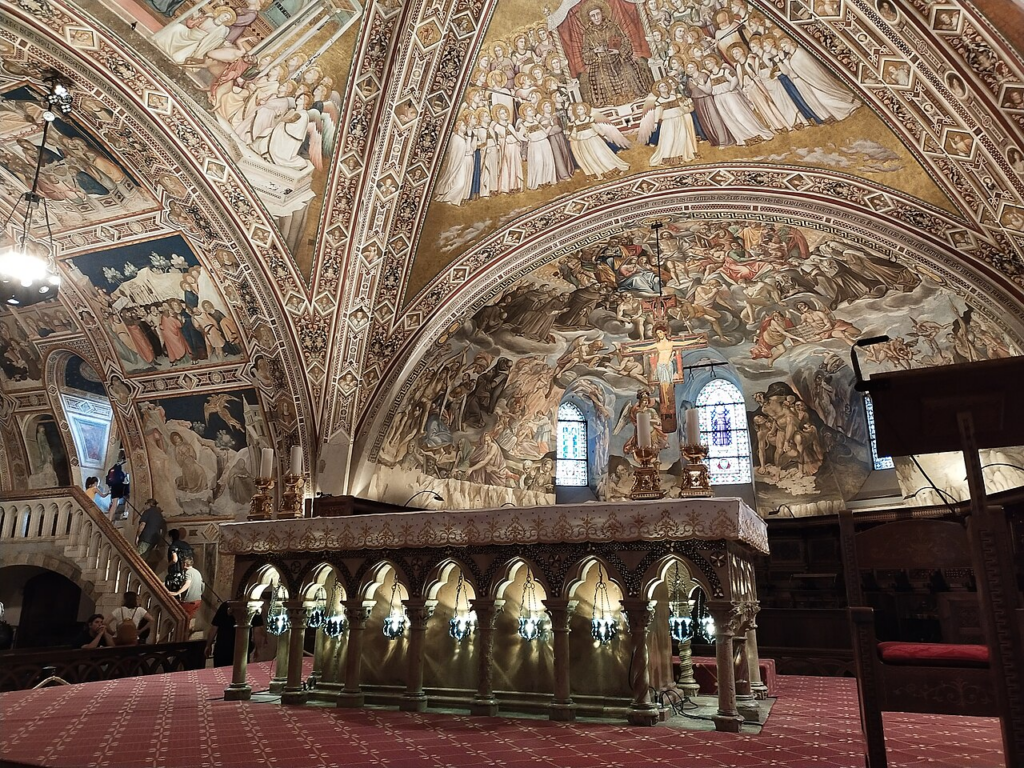
Descending into the Lower Basilica brings pilgrims into a quieter, more intimate space designed for reflection and prayer. Its Romanesque architecture, dim lighting, and beautiful frescoes by Cimabue and Lorenzetti invite a deeper contemplation of Franciscan spirituality⁷. Many visitors describe this space as one of the most peaceful areas in the entire sanctuary.
The Tomb of St. Francis
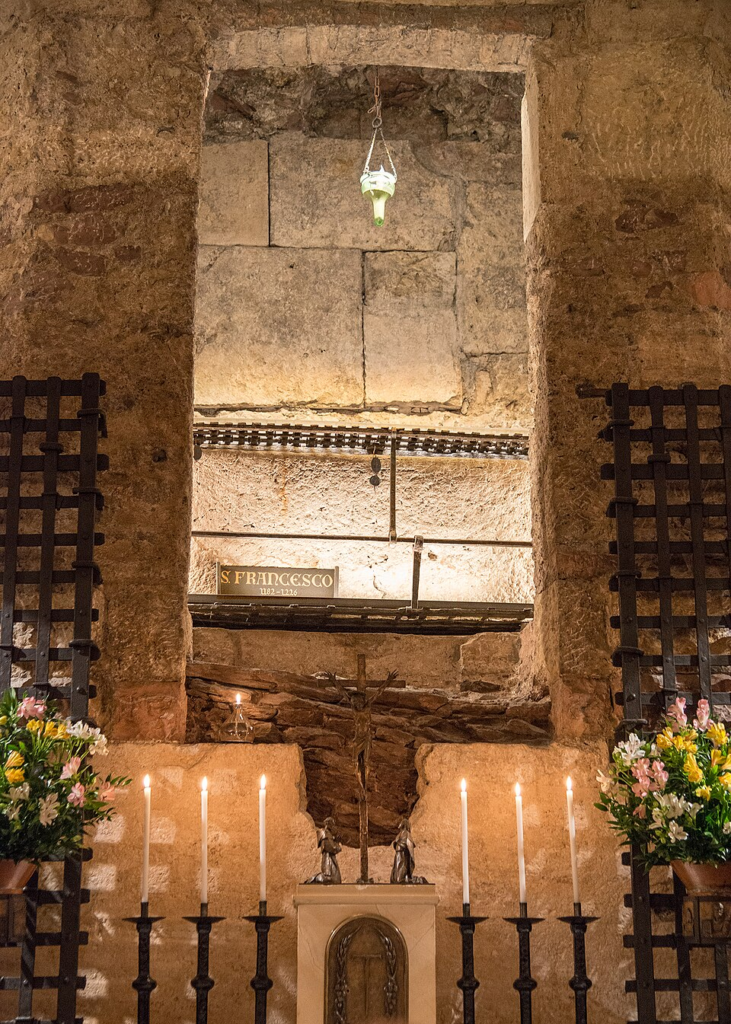
At the heart of the basilica complex is the crypt containing the tomb of St. Francis, discovered and enshrined in the 19th century⁸. Pilgrims come here to pray, reflect on Francis’ humility, and seek his intercession. The tomb is accessible by gently sloped pathways, making it accessible for pilgrims of varying mobility.
A Living Center of Franciscan Spirituality
The basilica remains under the care of the Franciscan Friars, who preserve its spiritual, artistic, and historical integrity. Daily Masses, confessions, and guided reflections help pilgrims deepen their understanding of Franciscan life and devotion.
Things to See in Assisi, Italy
Assisi is filled with sacred and historical sites that reflect the life, spirituality, and legacy of St. Francis and St. Clare. Its peaceful streets, medieval buildings, and panoramic views make it one of the most beautiful pilgrimage destinations in Italy. Pilgrims can explore at a gentle pace, with plenty of rest areas, cafés, and shaded spots throughout the town.
Basilica of St. Clare
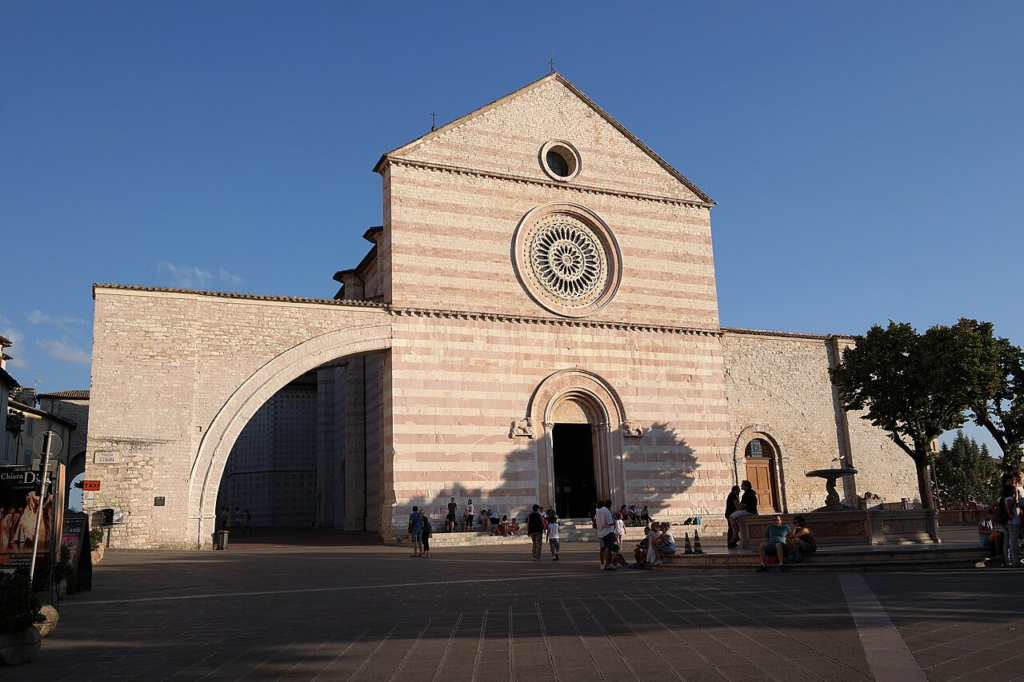
This basilica honors St. Clare of Assisi, the founder of the Poor Clares and one of Francis’s closest companions. Inside, pilgrims can venerate the San Damiano Cross, the very crucifix through which Christ called Francis to rebuild His Church⁹. The basilica’s quiet atmosphere makes it ideal for prayer and reflection.
Basilica of Santa Maria degli Angeli and the Porziuncola
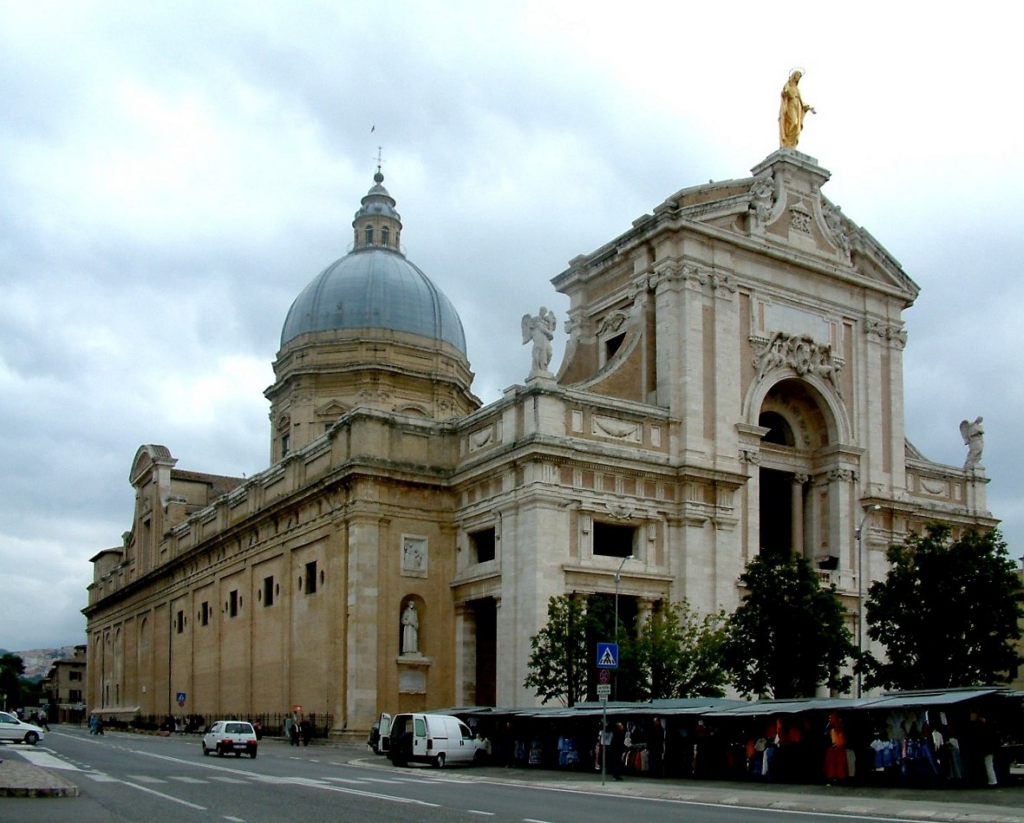
Located in the valley below Assisi, this basilica shelters the small Porziuncola, the tiny chapel where Francis prayed, founded the Franciscan order, and received several key visions¹⁰. The site is easily accessible and especially meaningful for visitors seeking a peaceful devotional experience.
San Damiano Church
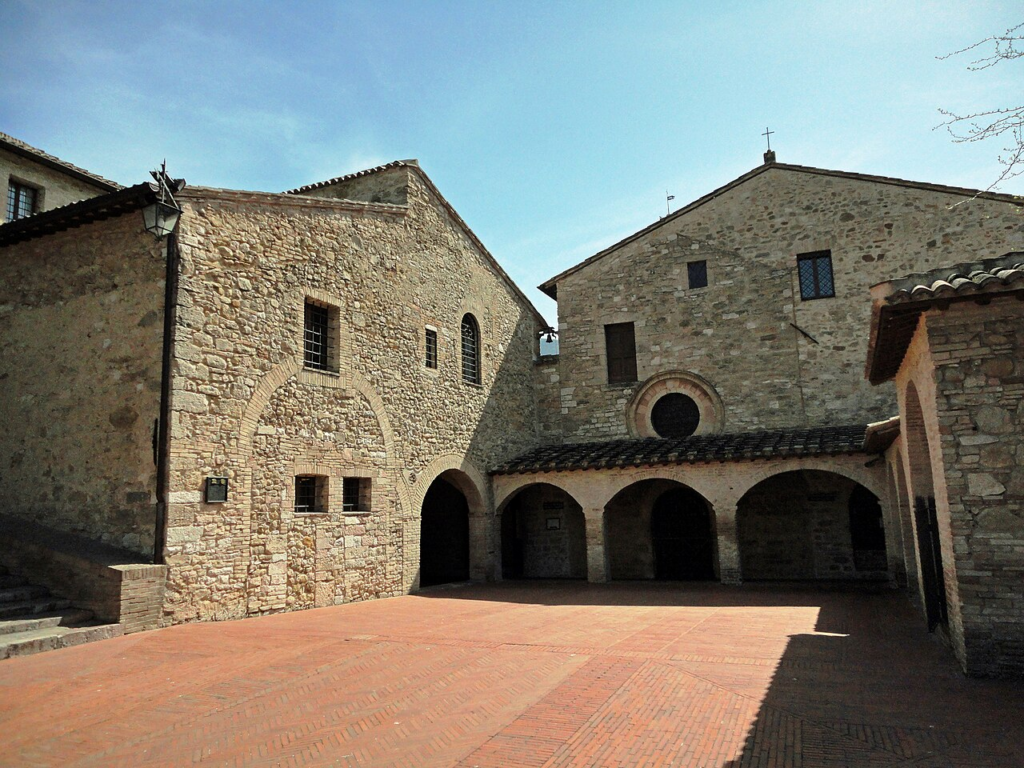
This simple church is where Francis heard Christ’s call and where St. Clare lived for many years. Its tranquil gardens and quiet chapels offer pilgrims a beautiful setting for contemplation.
Rocca Maggiore
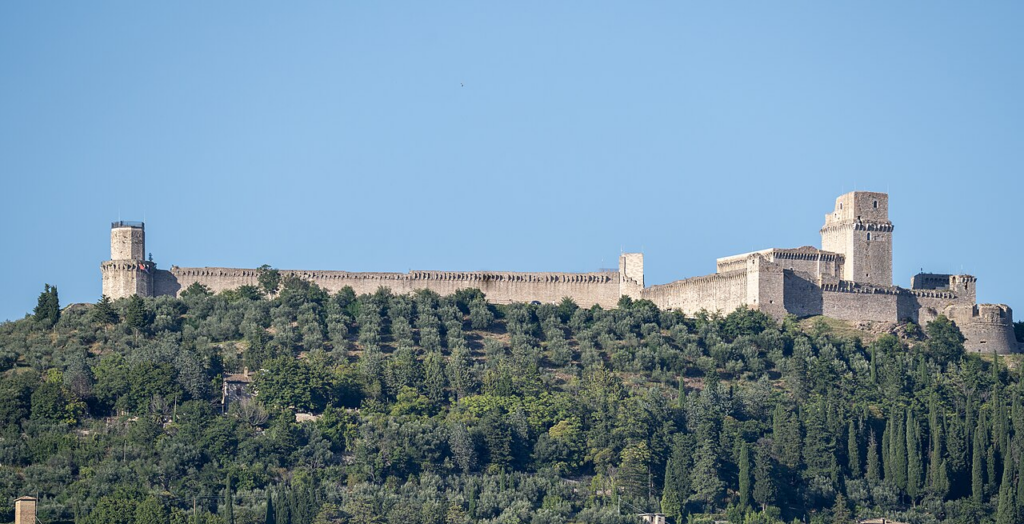
A medieval fortress perched above Assisi, offering panoramic views of the Umbrian countryside. While it is a remarkable viewpoint, travellers may consider taxis or shuttle options due to the steep paths.
Eremo delle Carceri (Hermitage of St. Francis)
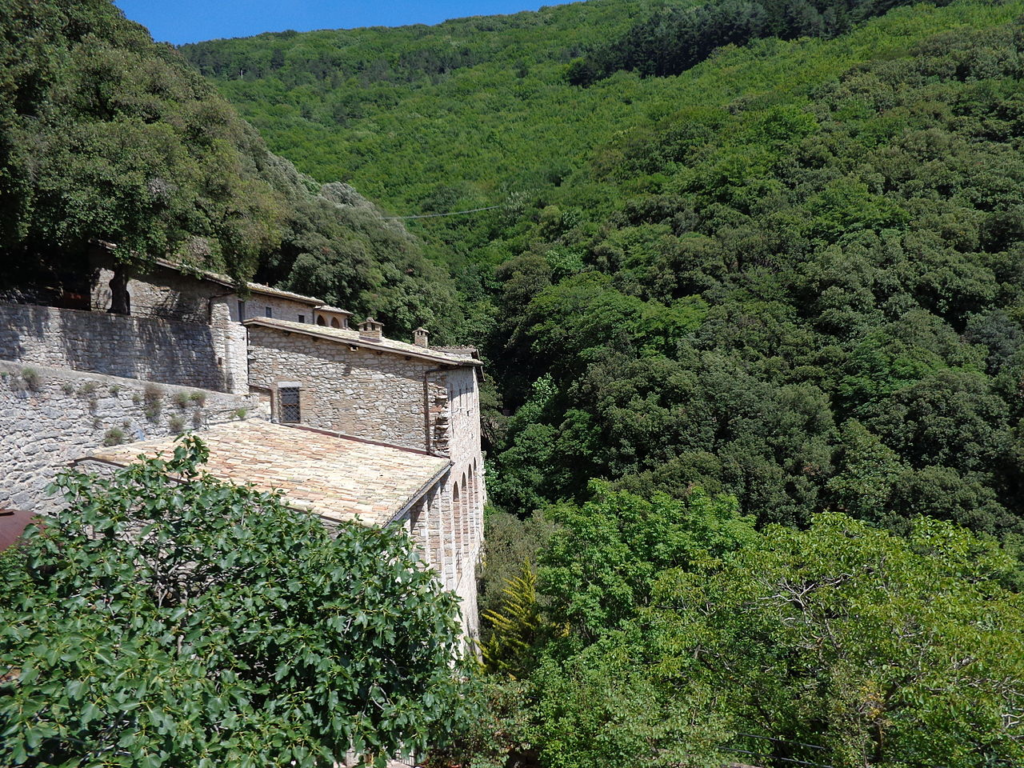
Located in the wooded hills outside Assisi, this hermitage is where Francis retreated in solitude to pray¹¹. Accessible transport is recommended for seniors, as the hill paths can be steep.
Piazza del Comune & Medieval Streets
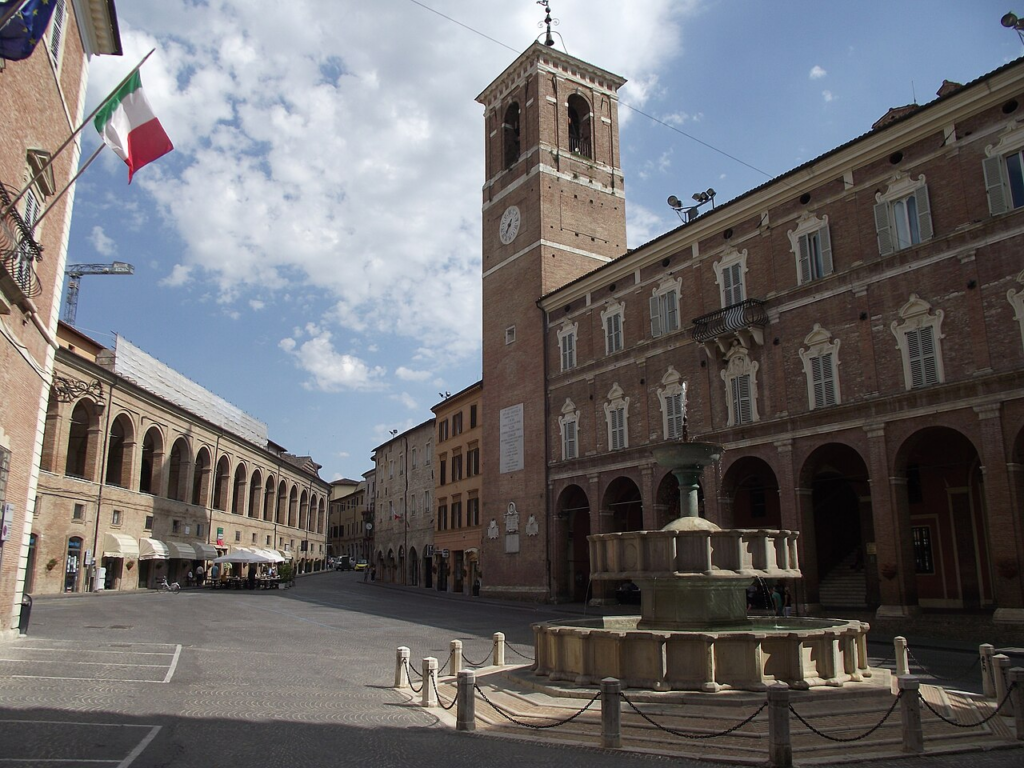
The town’s historic center features ancient Roman ruins, narrow streets, and artisan shops. It’s a lovely area for gentle walking, photography, and enjoying Assisi’s peaceful charm.
Assisi’s Viewpoints and Pathways

Many lookout points provide sweeping views of the valley and nearby mountains. Sitting areas and cafés make it easy for pilgrims to pause, rest, and enjoy the scenery while reflecting on Franciscan spirituality.
The Spiritual Significance of an Assisi Pilgrimage
An Assisi pilgrimage is unlike any other. While many pilgrimage destinations are associated with specific miracles or apparitions, Assisi offers a different grace: the invitation to walk in the footsteps of a saint whose entire life became a living Gospel. Visiting Assisi allows pilgrims—to experience the spirit of simplicity, peace, humility, and joy that shaped St. Francis and continues to transform hearts today.
Walking Where St. Francis Walked
Every step through Assisi takes pilgrims through places where St. Francis lived, prayed, struggled, and grew in holiness. From the Porziuncola to San Damiano to the basilica that honors his life, the town offers an intimate closeness with the saint’s journey¹². This spiritual nearness encourages visitors to reflect on their own path of faith, healing, and renewal.
A Place of Peace and Reconciliation
Assisi is known worldwide as a symbol of peace. St. Francis’ message of reconciliation and fraternity resonates in the quiet streets, gentle hills, and prayerful spaces of the town. Pilgrims often come here to seek:
- Inner peace
- Reconciliation with others
- Relief from spiritual burdens and trials
- Strength to embrace simplicity and gratitude
Franciscan Spirituality for Modern Pilgrims
The spirituality of St. Francis remains as relevant today as it was in the 1200s. Pilgrims are drawn to his teachings on humility, care for creation, trust in God’s providence, and joyful praise. Many pilgrims appreciate Assisi’s slower pace, contemplative environment, and opportunities for quiet prayer.
A pilgrimage that deepens conversion and fidelity
Many visitors describe Assisi not only as a place they traveled to, but as an experience that stayed with them. Whether through prayer at the tomb of St. Francis, walking the medieval streets, or simply sitting in silence before the San Damiano Cross, the pilgrimage encourages a deeper encounter with God.
Travel Tips for Pilgrims
Assisi is a welcoming pilgrimage destination for pilgrims, offering gentle paths, quiet places for reflection, and a peaceful atmosphere. While the town is built on a hill—meaning some areas require extra care—proper planning makes the experience comfortable, safe, and deeply rewarding.
Navigating a Hilltop Town
Assisi’s historic center includes inclines, cobblestone streets, and stairways, so comfortable walking shoes are essential¹³. Pilgrims may prefer taking taxis or local shuttle buses to reach higher locations, such as the Basilica of St. Francis or Rocca Maggiore. Most pilgrimage groups coordinate transport to minimize uphill walking.
Accessibility and Mobility
Many major pilgrimage sites are accessible, including:
- The Lower Basilica
- The Upper Basilica (via ramps/elevators)
- Basilica of St. Clare
- Santa Maria degli Angeli and the Porziuncola
For those with mobility concerns, using taxis or asking for assistance is recommended. Assisi’s pilgrimage infrastructure is senior-friendly and well-supported by volunteers and clergy.
Weather Considerations
Assisi experiences mild spring and fall seasons, making them ideal for older travelers. During summer, temperatures can rise, so pilgrims should stay hydrated and avoid walking during midday heat¹⁴. In winter, some outdoor paths may be slippery.
Bring:
- Light layers
- Hat or sun protection
- Water bottle
- Umbrella or light jacket
Dress Code for Sacred Sites
Modest clothing is expected in all basilicas and churches:
- Covered shoulders
- Knee-length clothing
- No hats inside sacred spaces
Dress comfortably but respectfully. Layers help adjust between outdoor heat and cooler church interiors¹⁵.
Safety Tips
Assisi is extremely safe, with a calm environment ideal for pilgrims. Still, it’s wise to:
- Walk slowly on uneven surfaces
- Hold railings where available
- Use taxis after dark
- Stay in well-lit areas near the main piazza
Medical clinics, pharmacies, and assistance stations are available throughout the town.
Food, Rest, and Facilities
Assisi offers many cafés, restaurants, and shaded seating areas. Pilgrims can easily find spots to rest between visits. Restrooms are available near the main piazzas and major basilicas.
For personal assistance or custom itineraries, you can reach the team at info@qohtours.com or call 800-213-4295.
Best Times to Visit Assisi
Assisi is beautiful year-round, but certain seasons offer better weather, lighter crowds, and more comfortable conditions for pilgrims. Understanding when to visit helps ensure a peaceful, spiritually enriching journey.
Feast Day of St. Francis (October 4)
The most important date in Assisi is October 4, the Feast of St. Francis of Assisi¹⁶. The entire town becomes a hub of liturgies, processions, music, and Franciscan celebrations. Pilgrims from around the world gather for special Masses, making this a powerful but busier time to visit.
Spring (April–June)
Spring is one of the best seasons for pilgrims. Temperatures are mild, flowers bloom across the Umbrian hills, and the town feels vibrant without being crowded. It’s ideal for:
- Visiting the basilicas
- Walking the medieval streets
- Spending quiet time in outdoor prayer spaces
Autumn (September–October)
Autumn offers comfortable weather and fewer crowds compared to the summer peak. Many pilgrims choose this season for its warm days, cool evenings, and beautiful golden landscapes¹⁷.
Summer (July–August)
Assisi can be warm during summer, especially in the afternoons. Pilgrims should plan to:
- Sightsee in the morning or evening
- Stay hydrated
- Take advantage of shaded areas and cafés
- Avoid steep climbs during peak heat
While busy, summer offers lively markets, extended hours, and numerous outdoor events.
Winter (November–March)
Winter brings a calm, peaceful atmosphere to Assisi. While some outdoor paths may be chilly or damp, indoor basilicas remain open and accessible. Pilgrims seeking quiet reflection and fewer crowds may find winter surprisingly rewarding¹⁸.
Suggested Assisi Pilgrimage Itinerary
This thoughtfully paced itinerary is designed for parish groups and pilgrims, and pilgrims who want to experience the most significant holy sites in Assisi without rushing. Each day offers a balance of prayer, history, and rest.
Day 1: Basilica of St. Francis & Historic Center
Morning
- Begin your pilgrimage at the Basilica of St. Francis, exploring both the Upper and Lower Basilicas at a comfortable pace.
- Visit the tomb of St. Francis in the crypt—a deeply moving place for prayer and reflection¹⁹.
Afternoon
- Enjoy lunch in the historic center near Piazza del Comune.
- Visit the Temple of Minerva, now a church, and walk the medieval streets at a gentle pace.
- Spend time in local shops and cafés before resting for the evening.
Evening
- Return to the basilica complex for quiet prayer or attend a scheduled evening service.
Day 2: St. Clare, San Damiano & the Porziuncola
Morning
- Visit the Basilica of St. Clare, home of the San Damiano Cross that spoke to St. Francis²⁰.
- Walk or take a taxi to the San Damiano Church, a peaceful site where Francis heard Christ’s call and where St. Clare lived for many years.
Afternoon
- Travel to Santa Maria degli Angeli in the valley to see the Porziuncola, the tiny chapel where the Franciscan order began²¹.
- Enjoy a leisurely lunch before spending time in the rose garden and chapel of the Transito, where Francis died.
Evening
- Rest at your hotel or stroll through Assisi’s quiet evening streets, soaking in the peaceful Franciscan atmosphere.
Day 3: Hermitage, Scenic Views & Personal Devotions
Morning
- For those comfortable with short uphill travel (taxi recommended for seniors), visit the Eremo delle Carceri, the hermitage where Francis prayed in solitude²².
- Spend time in its quiet grottoes and forest paths.
Afternoon
- Return to the town center for lunch and a gentle walk through Assisi’s scenic viewpoints.
- Visit any sites you may have missed or spend extra time in prayer at your favorite location.
Evening
- Conclude your pilgrimage with a moment of reflection at the Basilica of St. Francis or attend a final Mass.
Frequently Asked Questions
How many days should I spend in Assisi?
Most pilgrims find 2–3 days ideal for experiencing the major basilicas, visiting St. Clare and San Damiano, exploring the Porziuncola, and enjoying the peaceful atmosphere of the town.
Is Assisi easy to walk for pilgrims?
Assisi is a hilltop town, so some areas include inclines and cobblestones. However, major pilgrimage sites—like the Basilica of St. Francis and the Basilica of St. Clare—are accessible and supported by ramps, elevators, or nearby taxi drop-offs²³. Many seniors use taxis or shuttle services to avoid uphill climbs.
Where is St. Francis buried?
St. Francis is buried in the crypt of the Basilica of St. Francis, located beneath the Lower Basilica. It is accessible by a gently sloped pathway, making it manageable for older pilgrims²⁴.
Are English Masses available in Assisi?
Yes. Several basilicas offer English-language Masses, especially during peak pilgrimage seasons. Schedules vary weekly and can be found at the basilicas or online through the Franciscan community.
Is Assisi safe for travelers?
Assisi is very safe. The town is peaceful, walkable, and filled with pilgrims year-round. Medical services, pharmacies, and assistance stations are easy to find throughout the historic center²⁵.
What should I wear inside the basilicas?
Modest clothing is required: covered shoulders, knee-length garments, and respectful attire. Comfortable shoes are essential due to uneven pathways and cobblestones²⁶.
How far is Assisi from Rome?
Assisi is about 2–2.5 hours from Rome by train. Many pilgrims choose a guided transfer or private vehicle for comfort.
Can I visit the Hermitage (Eremo delle Carceri) as a senior?
Yes, but seniors should take a taxi to the top rather than walk the steep route. Once there, paths are manageable with care. The hermitage is a deeply peaceful site connected to St. Francis’ love of solitude²⁷.
Conclusion
Assisi is a place where faith becomes tangible. From the peaceful chapels to the quiet hillsides where St. Francis prayed, the town invites pilgrims to slow down, breathe deeply, and reconnect with God in a spirit of simplicity and peace. Whether you’re visiting for the first time or returning after many years, Assisi offers a profound opportunity to experience the heart of Franciscan spirituality.
For seniors and parish groups, the gentle pace of the town, its accessible sacred sites, and its atmosphere of silence and prayer make it an ideal destination for a reflective pilgrimage. Whether you come seeking healing, deeper faith, or simply a quiet encounter with God, Assisi welcomes you with open arms.
If you need help planning your route, choosing dates, or organizing a parish or group journey, assistance is available to help coordinate your pilgrimage with care and reverence. You can reach us at info@qohtours.com, 800-213-4295, or explore custom itineraries on our Custom Pilgrimages page.
Begin planning your pilgrimage today with Queen of Heaven Tours.
Footnotes
- “Biography of St. Francis of Assisi,” Basilica of St. Francis of Assisi, https://www.sanfrancescopatronoditalia.it/ (accessed December 2, 2025).
- “The Crucifix of San Damiano,” Sanctuary of San Damiano, https://www.santuariosandamiano.org/en/ (accessed December 2, 2025).
- “The Origins of the Franciscan Order,” Vatican.va, https://www.vatican.va/ (accessed December 2, 2025).
- “Stigmata of St. Francis,” Catholic News Agency, https://www.catholicnewsagency.com/ (accessed December 2, 2025).
- “Basilica of St. Francis of Assisi – History and Architecture,” UNESCO World Heritage Centre, https://whc.unesco.org/ (accessed December 2, 2025).
- “Giotto’s Frescoes of St. Francis,” Italian Ministry of Culture (MiC), https://www.cultura.gov.it/ (accessed December 2, 2025).
- “Cimabue and Tuscan Masters – Lower Basilica,” Basilica of St. Francis Art Guide, https://www.sanfrancescopatronoditalia.it/ (accessed December 2, 2025).
- “Tomb of St. Francis,” Basilica Crypt Information, https://www.sanfrancescopatronoditalia.it/ (accessed December 2, 2025).
- “Basilica of St. Clare and the San Damiano Cross,” Monastero Santa Chiara, https://www.santachiaraassisi.org/ (accessed December 2, 2025).
- “Porziuncola and Santa Maria degli Angeli,” Basilica Papale di Santa Maria degli Angeli, https://www.porziuncola.org/ (accessed December 2, 2025).
- “Eremo delle Carceri – Hermitage of Assisi,” Municipality of Assisi Tourism, https://www.comune.assisi.pg.it/ (accessed December 2, 2025).
- “Pilgrimage in the Footsteps of St. Francis,” Assisi Tourism Office, https://www.assisi.travel/en/ (accessed December 2, 2025).
- “Mobility and Accessibility in Assisi,” Umbria Tourist Board, https://www.umbriatourism.it/ (accessed December 2, 2025).
- “Weather in Umbria – Seasonal Guide,” Italian Government Tourism Portal, https://www.italia.it/en (accessed December 2, 2025).
- “Visitor Dress Code for Basilica Sites,” Basilica of St. Francis Visitor Guidelines, https://www.sanfrancescopatronoditalia.it/ (accessed December 2, 2025).
- “Feast of St. Francis of Assisi – October 4,” Vatican.va, https://www.vatican.va/ (accessed December 2, 2025).
- “Visiting Assisi – Best Times of the Year,” Assisi Tourism Office, https://www.assisi.travel/en/ (accessed December 2, 2025).
- “Assisi Winter and Off-Season Travel Guide,” Umbria Region Tourism, https://www.umbriatourism.it/ (accessed December 2, 2025).
- “Crypt and Tomb of St. Francis – Pilgrim Information,” Basilica of St. Francis, https://www.sanfrancescopatronoditalia.it/ (accessed December 2, 2025).
- “San Damiano Cross – Historical Notes,” Sanctuary of San Damiano, https://www.santuariosandamiano.org/en/ (accessed December 2, 2025).
- “Porziuncola – The Heart of Franciscan Spirituality,” Basilica Papale di Santa Maria degli Angeli, https://www.porziuncola.org/ (accessed December 2, 2025).
- “Hermitage of the Carceri – Access and History,” Assisi Municipal Tourism, https://www.comune.assisi.pg.it/ (accessed December 2, 2025).
- “Accessibility Services for Pilgrims,” Basilica of St. Francis Visitor Helpdesk, https://www.sanfrancescopatronoditalia.it/ (accessed December 2, 2025).
- “Tomb Access and Chapel Guidelines,” Basilica of St. Francis Crypt Info, https://www.sanfrancescopatronoditalia.it/ (accessed December 2, 2025).
- “Pharmacies and Medical Services in Assisi,” City of Assisi Health Services, https://www.comune.assisi.pg.it/ (accessed December 2, 2025).
- “Dress and Religious Etiquette in Italy,” Italian Ministry of Culture, https://www.cultura.gov.it/ (accessed December 2, 2025).
- “Eremo delle Carceri – Senior Visitor Guidelines,” Umbria Tourism Board, https://www.umbriatourism.it/ (accessed December 2, 2025).
Bibliography
Assisi Tourism Office. Official Pilgrimage and Travel Information. Accessed December 2, 2025. https://www.assisi.travel/en/.
Basilica of St. Francis of Assisi. History, Art, and Pilgrim Guide. Accessed December 2, 2025. https://www.sanfrancescopatronoditalia.it/.
Basilica Papale di Santa Maria degli Angeli. Porziuncola and Franciscan Sites. Accessed December 2, 2025. https://www.porziuncola.org/.
Catholic News Agency. “Stigmata of St. Francis.” Accessed December 2, 2025. https://www.catholicnewsagency.com/.
Italian Government Tourism Portal. Italia.it – Regional Weather & Travel Guides. Accessed December 2, 2025. https://www.italia.it/en.
Monastero Santa Chiara. Basilica of St. Clare & San Damiano Cross. Accessed December 2, 2025. https://www.santachiaraassisi.org/.
Sanctuary of San Damiano. History and Pilgrimage Information. Accessed December 2, 2025. https://www.santuariosandamiano.org/en/.
Umbria Tourist Board. Travel, Weather, and Accessibility Info. Accessed December 2, 2025. https://www.umbriatourism.it/.
UNESCO World Heritage Centre. Basilica of St. Francis – Heritage Listing. Accessed December 2, 2025. https://whc.unesco.org/.
Vatican. “Franciscan Order and the Feast of St. Francis.” Vatican.va. Accessed December 2, 2025. https://www.vatican.va/.