
Basilicas of Rome — A Complete Catholic Pilgrimage Guide
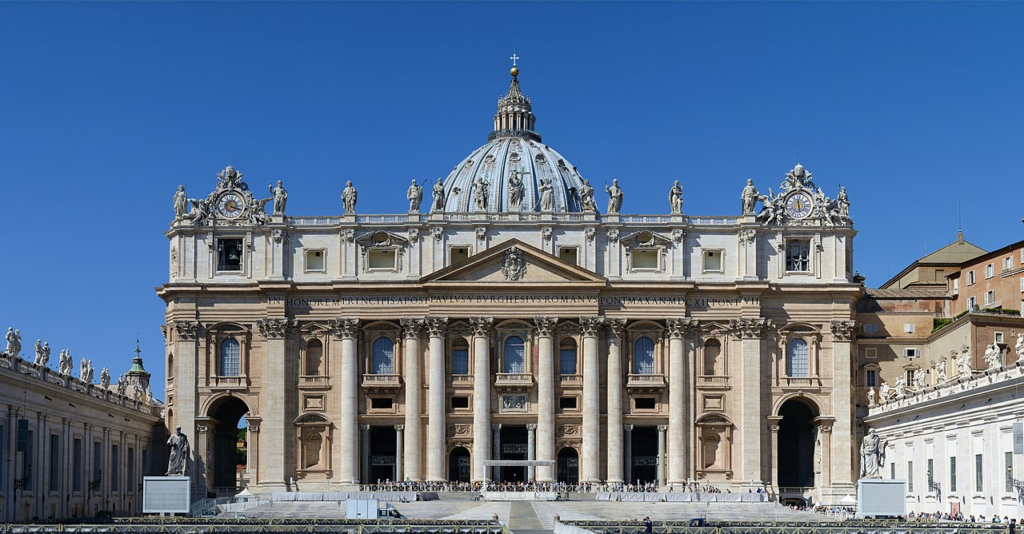
Rome is the spiritual center of the Catholic world. Home to the tombs of St. Peter and St. Paul, the Apostolic Palace, centuries of Christian history, and some of the most important basilicas in the Church, the city offers pilgrims a deeply moving experience of faith. For U.S. pilgrims, parish groups, and first-time travelers, Rome provides a powerful blend of sacred tradition, prayerful spaces, and awe-inspiring art.
This guide will help you explore the basilicas of Rome, understand their spiritual significance, and discover the most important pilgrimage sites throughout the city. You’ll also find pilgrim-friendly travel tips and a suggested Rome pilgrimage itinerary to help you plan a comfortable, well-paced visit. Whether you’re joining a group tour or designing your own journey with a custom pilgrimage package, Rome offers an unforgettable encounter with the heart of the Catholic faith.
History of Christian Rome
Christian Rome began in the first century, rooted in the evangelizing work and martyrdom of the Apostles Peter and Paul, whose presence shaped the city into the spiritual capital of the Catholic Church¹. As early Christian communities gathered in homes and catacombs, Rome became a center of faith, resilience, and witness amid persecution.
The Early Church and Apostolic Foundations
Tradition holds that St. Peter served as the first Bishop of Rome and was martyred near the site where St. Peter’s Basilica now stands². St. Paul, after preaching throughout the Mediterranean, was executed at Tre Fontane, where a basilica now honors his sacrifice. Their leadership and martyrdom anchor Rome as the heart of apostolic Christianity.
From Martyr Shrines to Grand Basilicas
By the 4th century, Emperor Constantine legalized Christianity and began constructing major churches at the tombs of saints. These early basilicas—St. Peter’s, St. Paul Outside the Walls, St. John Lateran, and St. Mary Major—became centers of prayer, devotion, and pilgrimage³. Over the centuries, they evolved into masterpieces of faith and art.
Rome as the Pilgrimage Capital of the World
Rome has welcomed pilgrims for nearly two thousand years. From Jubilee celebrations to papal liturgies, Eucharistic processions, and relics of the saints, the city remains the global gathering place for Catholics seeking conversion, forgiveness of sins, and deeper communion with the Church.
For pilgrims and parish groups, this historical foundation makes a journey to Rome not just a trip—but a living encounter with the roots of Christian faith.
The Four Major Basilicas of Rome
Rome is home to the four greatest basilicas in the Catholic Church, each with unique spiritual significance, rich history, and breathtaking beauty. These basilicas form the core of any Catholic pilgrimage to Rome, offering pilgrims opportunities for prayer, reflection, and connection to the early Church. All four are designated as Major Papal Basilicas, making them some of the most important pilgrimage destinations in the world⁴.
St. Peter’s Basilica (Vatican City)
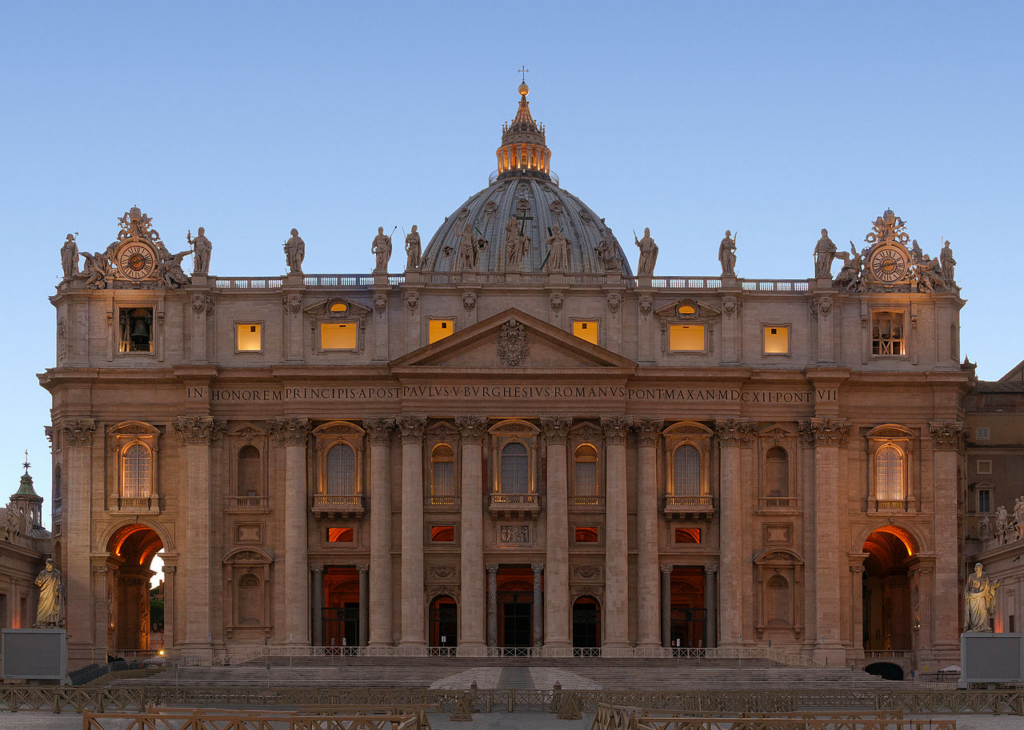
The largest church in the world and the heart of the Catholic Church, St. Peter’s Basilica stands over the tomb of St. Peter, the first pope. Pilgrims come to:
- Pray at St. Peter’s tomb under the high altar
- See Michelangelo’s Pietà
- Attend papal Masses or the weekly Papal Audience
- Explore the chapels, mosaics, and sacred relics⁵
St. Peter’s is fully accessible, and staff assist pilgrims with priority entry and seating for liturgies.
St. John Lateran (Cathedral of Rome)
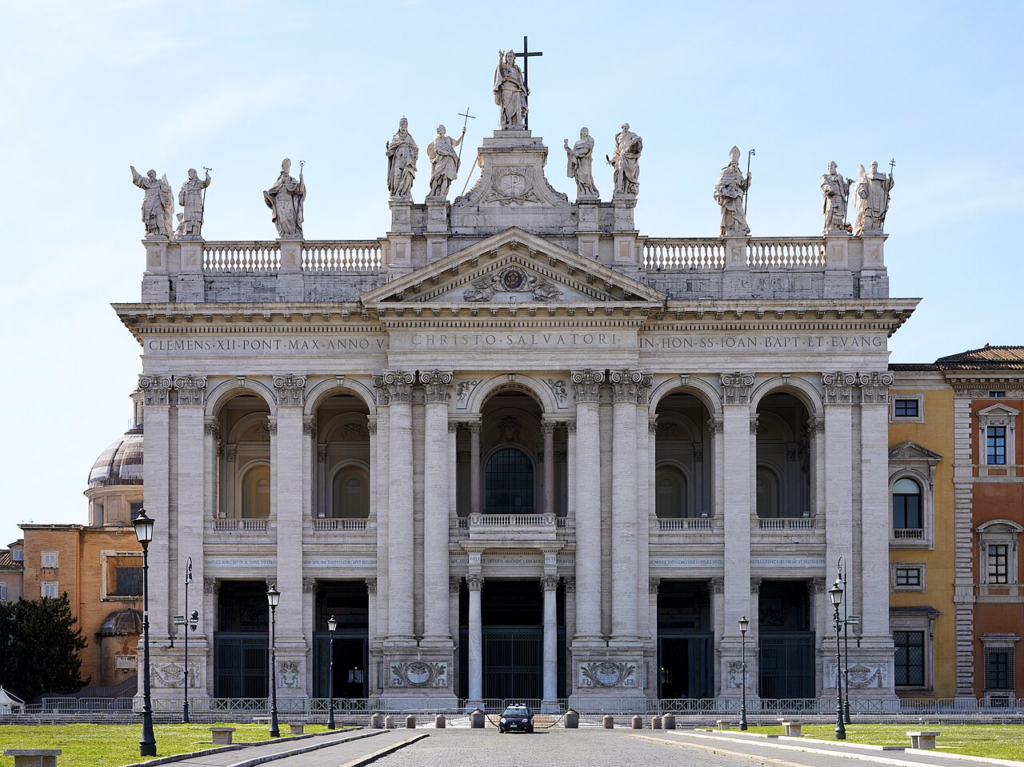
Often overlooked by first-time visitors, St. John Lateran is the cathedral of the Pope and the oldest basilica in the West. It holds:
- The Papal Throne
- The Lateran Baptistery, one of the earliest in Christianity
- The Scala Sancta (Holy Stairs), believed to be the steps Our Lord Jesus Christ ascended during His Passionn, brought to Rome by St. Helena⁶
The basilica’s enormous interior, art, and relics make it a powerful stop for pilgrims seeking deeper roots in Church tradition.
St. Paul Outside the Walls
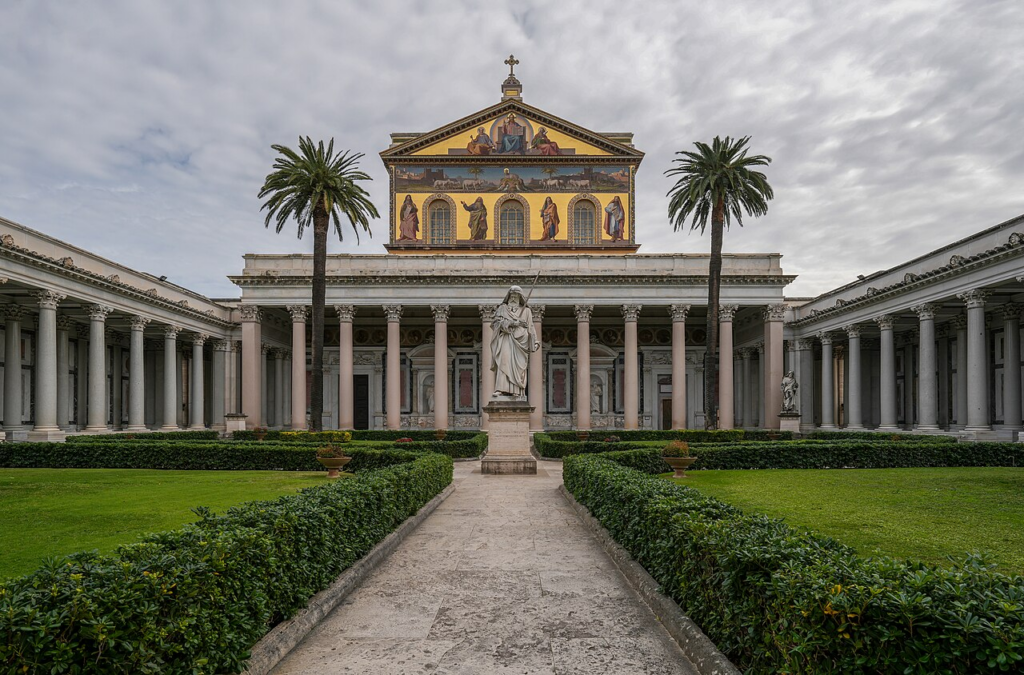
Built over the burial site of St. Paul the Apostle, this basilica is known for its peaceful cloisters, golden mosaics, and portraits of every pope in Church history. Pilgrims visit to:
- Pray at St. Paul’s tomb
- Walk the tranquil cloister gardens
- Reflect on Paul’s missionary journeys and spiritual writings⁷
For pilgrims, this basilica offers one of the most serene and accessible environments in Rome.
St. Mary Major
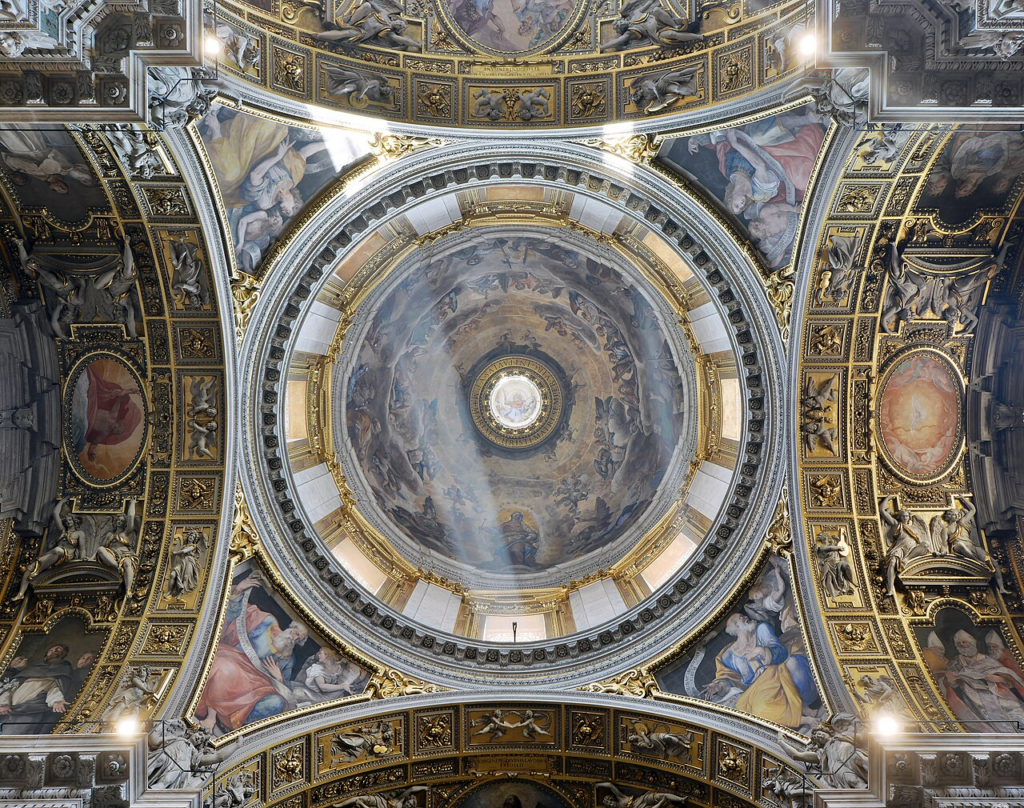
Dedicated to the Blessed Virgin Mary, St. Mary Major is the most important Marian basilica in Rome. Pilgrims come to venerate:
- The relic of the Holy Crib
- Fifth-century mosaics that depict the infancy of Christ
- Chapels honoring St. Jerome and St. Pius V⁸
This basilica beautifully combines devotion to Mary with Rome’s ancient Christian heritage.
Other Important Pilgrimage Sites in Rome
Beyond the four major basilicas, Rome is filled with sacred places that shaped the early Church, preserved the memory of the martyrs, and continue to nourish the faith of pilgrims. These sites offer powerful spiritual experiences and help visitors understand why a Catholic pilgrimage to Rome is unlike any other.
Vatican Museums & Sistine Chapel
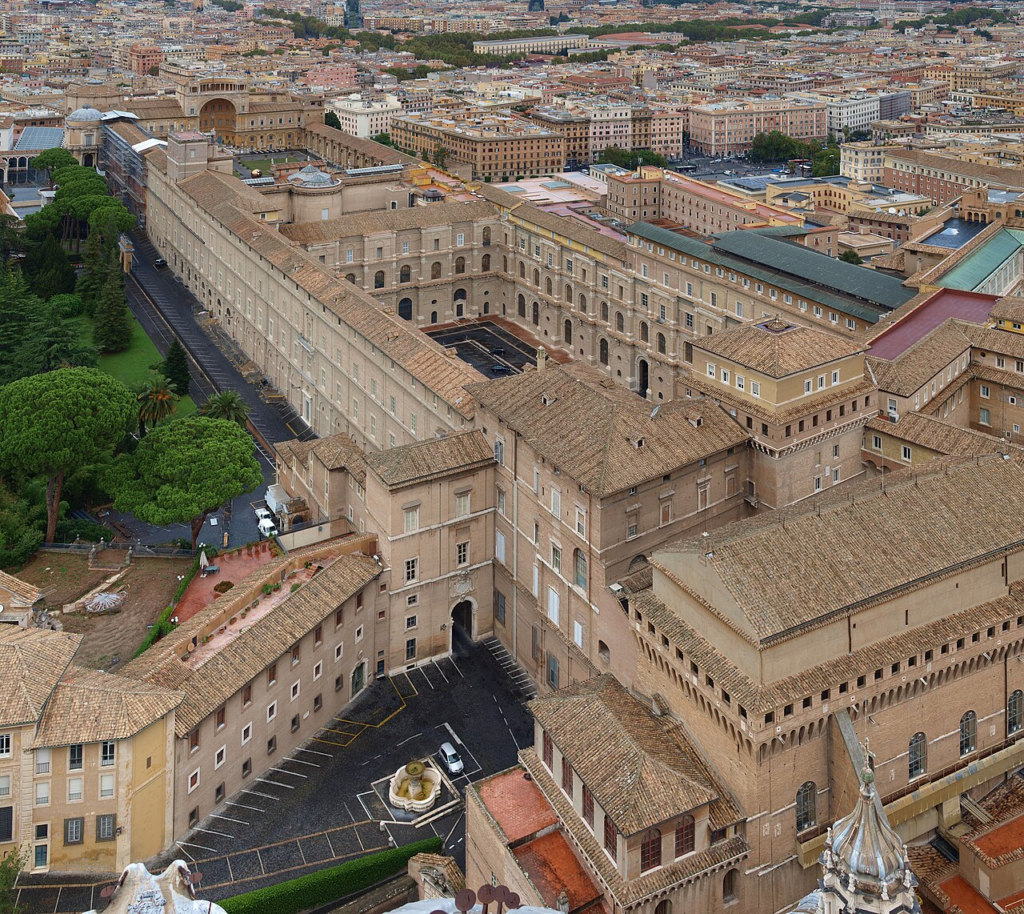
The Vatican Museums house some of the Church’s most significant works of sacred art, culminating in the Sistine Chapel, where Michelangelo’s frescoes depict salvation history from Creation to the Last Judgment⁹. Pilgrims may prefer early-entry tickets, guided tours, or accessible routes to reduce walking difficulty.
Castel Sant’Angelo
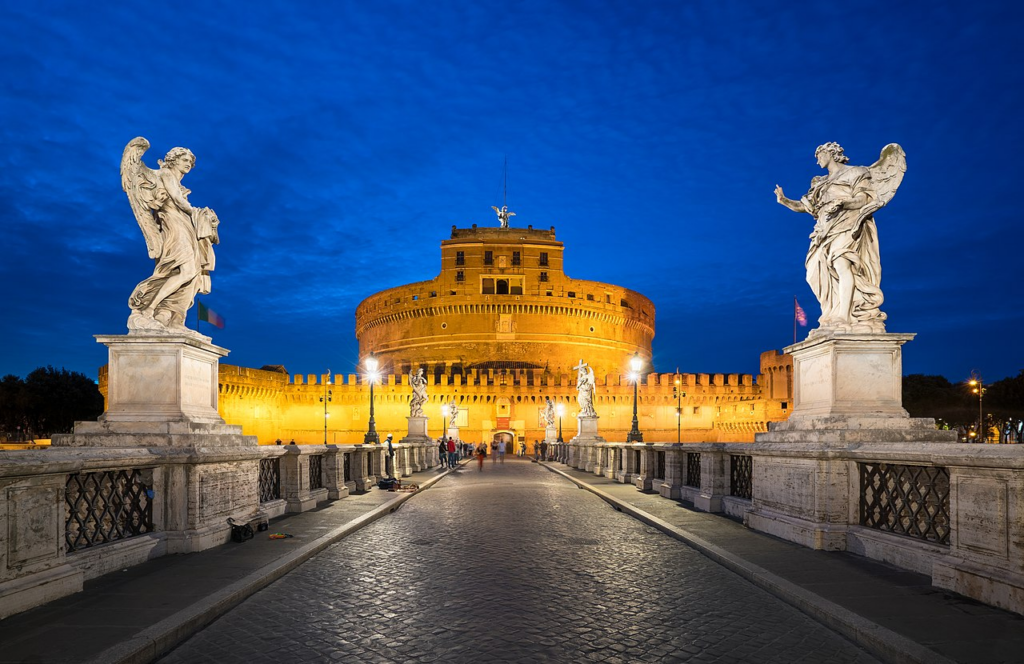
Originally built as Emperor Hadrian’s mausoleum, Castel Sant’Angelo later became a fortress protecting the popes. A secret passage once linked it to St. Peter’s. The rooftop offers stunning views of Rome and the Vatican.
Catacombs of Rome
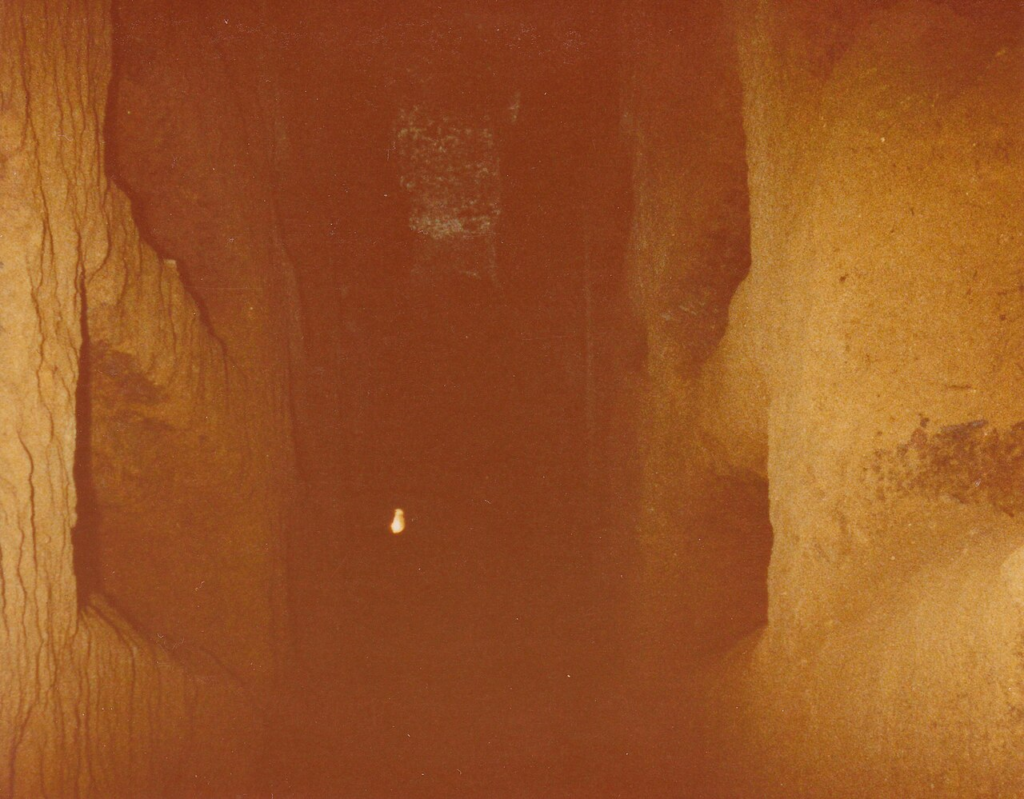
The ancient catacombs—especially San Callisto, Domitilla, and San Sebastiano—preserve the memory of early Christian martyrs¹⁰. Pilgrims can:
- Pray in underground chapels
- Reflect on the courage of persecuted Christians
- See ancient symbols of the faith like the fish and Chi-Rho
Shuttle buses and guided tours make these sites accessible to pilgrims.
Basilica of the Holy Cross in Jerusalem
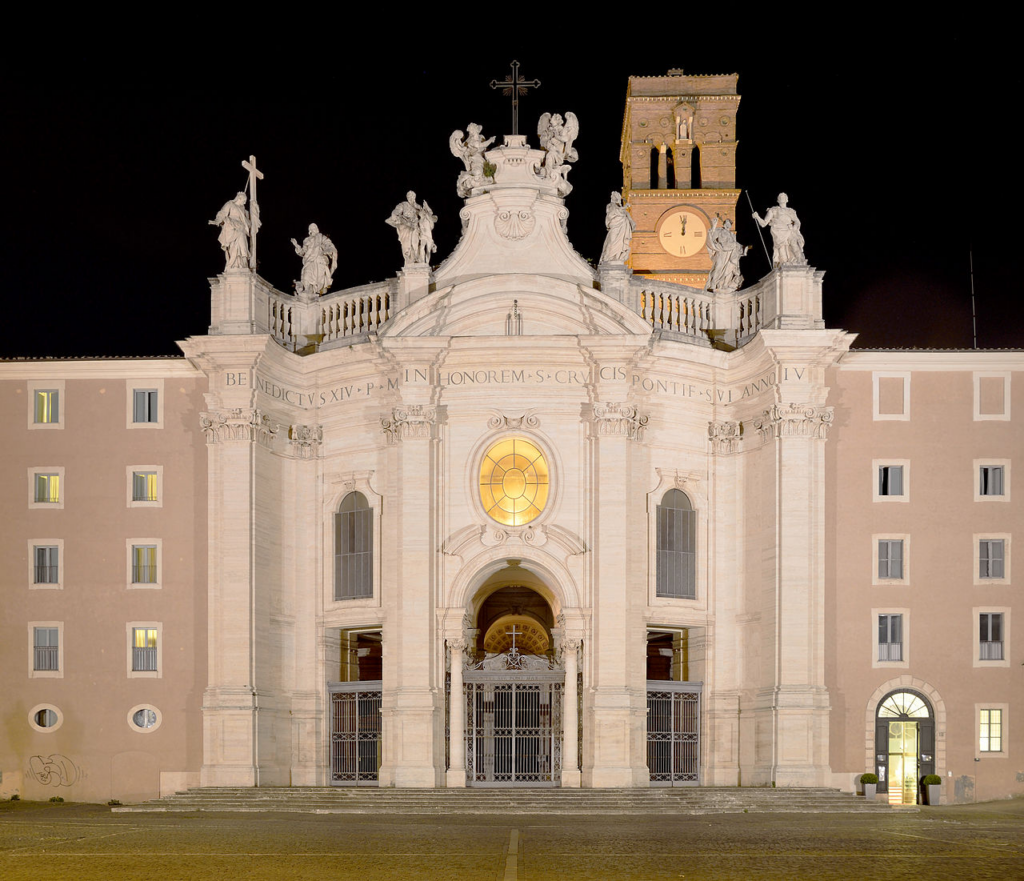
This basilica houses relics from Christ’s Passion, brought to Rome by St. Helena¹¹. Among them are fragments of the True Cross, a nail from the Crucifixion, and thorns believed to be from the Crown of Thorns.
Basilica of San Clemente
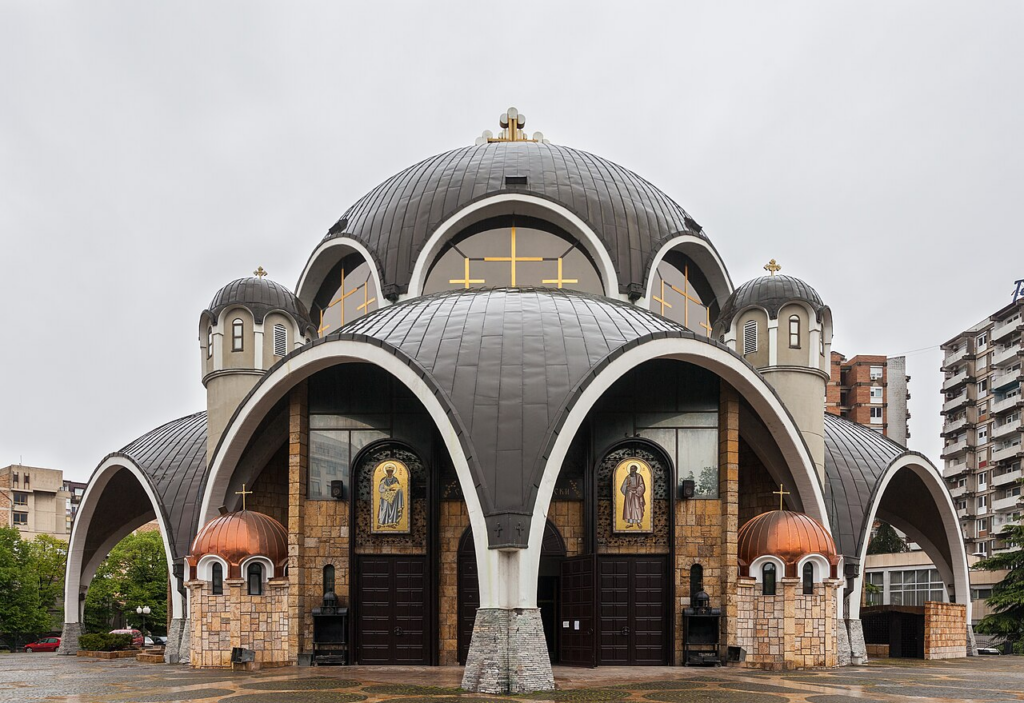
A unique, multi-level church built on layers of history:
- A 12th-century basilica
- A 4th-century church
- A 1st-century Roman home and worship site
This makes it a living timeline of Christian Rome.
Tre Fontane (Three Fountains)
According to tradition, St. Paul was martyred here. The monastery complex preserves ancient chapels and peaceful gardens ideal for quiet prayer.
Church of Domine Quo Vadis?
Located on the Appian Way, this small church recalls the moment when Peter, fleeing Rome, met Christ and returned to face martyrdom. A perfect stop for pilgrims seeking a deeper encounter with Peter’s courage¹².
Jesuit Sites: Gesù & St. Ignatius
These churches honor the founders and saints of the Jesuit order. Their stunning frescoes, relics, and chapels are especially meaningful for pilgrims drawn to Ignatian spirituality.
The Spiritual Significance of a Rome Pilgrimage
A pilgrimage to Rome is far more than a trip—it’s an encounter with the living heart of the Catholic Church. Here, faith, history, art, and devotion come together in a way found nowhere else on earth. For parish groups and long-time faithful, the experience carries even deeper meaning, strengthening a lifetime of prayer and offering opportunities for renewal and grace.
Praying at the Tombs of the Apostles
Rome is the only place where pilgrims can pray at the burial sites of both St. Peter and St. Paul, the two pillars of the early Church¹³. Standing before their tombs connects pilgrims directly to the roots of Christianity and the early martyrs who gave their lives for the faith.
Encountering the Global Church
Every day, Rome welcomes pilgrims from countries around the world. Attending Mass in a major basilica—surrounded by diverse voices, languages, and cultures—reveals the universality of the Catholic Church. Many pilgrims treasure the opportunity to worship alongside Catholics from every continent.
Papal Blessings and Liturgies
Rome is the only place where pilgrims can receive the Pope’s blessing during the Wednesday Papal Audience or attend papal liturgies on major feast days¹⁴. These moments offer visible unity with the Church and her divinely instituted shepherd.
Sacraments and Confession
Confession and Eucharistic Adoration are available throughout Rome’s basilicas, offering pilgrims the grace of repentance, sacramental reconciliation, and growth in holiness. Senior travelers often find these moments to be the most meaningful parts of their journey.
Walking Through Sacred History
Rome’s churches, relics, artworks, and martyrs’ sites allow pilgrims to touch the history of the faith with their own hands. From the simplicity of early Christian catacombs to the glory of Baroque chapels, every stop deepens understanding of the Church’s journey through the ages.
Travel Tips for Pilgrims
Rome is a deeply rewarding pilgrimage destination for pilgrims, offering countless sacred sites, walkable neighborhoods, and abundant places to rest and reflect. With its cobblestone streets, warm climate, and historic piazzas, thoughtful planning helps ensure a comfortable and spiritually rich experience.
Navigating Rome Comfortably
Rome’s streets are beautiful but often uneven. Pilgrims should wear supportive walking shoes and take their time on cobblestones and sloped areas¹⁵. Taxis, rideshares, and local buses are widely available and make it easy to reach sites like St. John Lateran, St. Paul Outside the Walls, and the Vatican without long walks.
Accessibility at the Basilicas
Major basilicas—including St. Peter’s, St. Mary Major, and St. Paul Outside the Walls—offer ramps, elevators, and priority seating during liturgies. St. Peter’s Basilica provides dedicated accessibility entrances and staff who can assist pilgrims with mobility needs¹⁶. Wheelchairs are available for rent near Vatican City and at some basilicas.
Dress Code for Sacred Sites
All basilicas and Vatican sites require modest attire:
- Covered shoulders
- Knee-length clothing
- No hats inside sacred spaces
Light layers are ideal, as basilicas may feel cool even on warm days¹⁷.
Weather Considerations
Rome can be warm in spring and hot in summer. Pilgrims should plan:
- Early morning or evening visits
- Water breaks
- Hats or umbrellas for shade
- Light clothing with layers for cooler basilica interiors
Spring (April–June) and autumn (September–October) are especially suitable seasons for pilgrims seeking moderate weather..
Security & Entry Lines
Major basilicas—including St. Peter’s—have airport-style metal detectors. Pilgrims may use priority queues, which shorten waiting time considerably¹⁸. Arriving early helps avoid heat and crowds.
Rest Areas, Cafés & Facilities
Rome is filled with piazzas, cafés, and shaded benches, offering many opportunities to rest between visits. Most major basilicas have accessible restrooms, and cafés near the Vatican are senior-friendly and welcoming.
Staying Safe
Rome is generally very safe. Still, pilgrims should:
- Carry only essentials
- Keep belongings close in crowded areas
- Avoid walking long distances at night
- Use taxis after evening liturgies
Rome’s police and Vatican security are highly visible and helpful throughout the city.
For personalized advice or assistance planning a pilgrimage, you can reach a coordinator at info@qohtours.com or 800-213-4295.
Best Times to Visit Rome
Rome welcomes pilgrims year-round, but certain seasons and feast days offer a more comfortable and spiritually meaningful experience. With thoughtful timing, you can enjoy lighter crowds, cooler temperatures, and more accessible visits to the basilicas and Vatican sites.
Papal Audiences and Major Liturgies
The most special times to visit Rome include moments when pilgrims can see or receive the blessing of the Holy Father.
- Wednesday Papal Audience: Held most weeks in St. Peter’s Square¹⁹.
- Papal Masses: Celebrated on major feast days such as Christmas, Easter, Pentecost, and the Feast of Sts. Peter & Paul.
These events draw worldwide pilgrims, creating a vibrant atmosphere.
Spring (April–June)
Spring is one of the best seasons for pilgrims. Temperatures are mild, gardens are in bloom, and the basilicas are comfortable for walking and prayer. Outdoor sites like the Vatican Gardens or the Appian Way are especially pleasant this time of year²⁰.
Autumn (September–October)
Autumn offers warm days, cooler evenings, and fewer crowds compared to summer. This season is ideal for visiting churches, museums, and historic neighborhoods without heat fatigue. Many pilgrims prefer September and early October for their balance of comfort and calm.
Summer (July–August)
Rome can be very hot during summer, with midday temperatures reaching uncomfortable levels. Pilgrims visiting in July or August should:
- Sightsee early in the morning or after sunset
- Stay hydrated
- Rest often in shaded areas
- Avoid long outdoor walks midday
Despite the heat, evenings are beautiful for strolling Rome’s piazzas or attending late liturgies.
Winter (November–March)
Winter brings peaceful, quiet streets and shorter lines at major sites. While some outdoor areas may be chilly or damp, indoor basilicas remain warm and welcoming²¹. Advent and Christmas add a particularly festive and prayerful atmosphere.
Suggested Rome Pilgrimage Itinerary
This itinerary is designed for parish groups and pilgrims who want a meaningful, prayer-centered journey at a comfortable pace. It focuses on the basilicas of Rome, essential Vatican experiences, and key pilgrimage sites, balancing sacred visits with rest and reflection.
Day 1: St. Peter’s Basilica & Vatican Highlights
Morning
- Begin at St. Peter’s Basilica, exploring Michelangelo’s Pietà, the Papal Altar, and the many chapels²².
- Pray at the tomb of St. Peter, located beneath the high altar.
- Pilgrims may use priority entry lines at the basilica entrance.
Afternoon
- Visit the Vatican Museums and Sistine Chapel (senior-friendly routes and guided tours recommended).
- Enjoy a leisurely lunch near St. Peter’s Square, with plenty of shaded seating and cafés.
Evening
- Stroll around St. Peter’s Square or attend an evening liturgy if available.
Day 2: St. John Lateran & the Holy Stairs
Morning
- Visit St. John Lateran, the Pope’s cathedral and Rome’s most ancient basilica.
- Spend time in the Lateran Baptistery and admire its early Christian art.
- For those who are able, visit the nearby Scala Sancta (Holy Stairs)—tradition holds Jesus climbed these steps during His Passion²³.
Afternoon
- Enjoy lunch near the basilica, then rest or slowly explore the surrounding historic streets.
- Visit the Basilica of St. Clement, known for its layered history and peaceful atmosphere.
Evening
- Return to the hotel for rest or a quiet stroll near the Colosseum and Roman Forum.
Day 3: St. Paul Outside the Walls
Morning
- Travel to the Basilica of St. Paul Outside the Walls, built over the apostle’s tomb.
- Pray before the tomb of St. Paul and walk through the tranquil cloisters²⁴.
- Pilgrims appreciate the basilica’s flat, spacious layout.
Afternoon
- Visit Tre Fontane, the traditional site of St. Paul’s martyrdom.
- Enjoy a relaxing lunch in the Ostiense district, followed by rest.
Evening
- Attend Mass or spend time in Eucharistic Adoration at a local church.
Day 4: St. Mary Major & Catacombs
Morning
- Visit St. Mary Major, Rome’s most important Marian basilica, home to the relic of the Holy Crib²⁵.
- Admire the mosaics depicting the infancy of Christ and spend time in quiet prayer.
Afternoon
- Visit one of the Roman Catacombs (San Callisto, San Sebastiano, or Domitilla).
- Guided tours help explain the early Christian symbols and burial traditions²⁶.
Evening
- Explore the peaceful Appian Way or enjoy a leisurely Italian dinner nearby.
Day 5: Historic Rome for Pilgrims
Morning
- Visit the Church of Domine Quo Vadis?, recalling St. Peter’s encounter with Christ²⁷.
- Walk (or taxi) to the Basilica of the Holy Cross in Jerusalem to venerate relics of the Passion.
Afternoon
- Free time for prayer, shopping, or revisiting your favorite basilica.
- Pilgrims may rest in the shaded gardens or piazzas near the Vatican.
Evening
- Conclude your pilgrimage by registering through the QOH Pilgrimage Form or contacting a coordinator for next steps.
Frequently Asked Questions
How many days should I spend in Rome for a pilgrimage?
Most pilgrims find 4–5 days ideal for visiting the four major basilicas, key pilgrimage sites, and the Vatican at a comfortable pace. Pilgrims often appreciate an extra day for rest, reflection, or attending a papal audience²⁸.
Is Rome senior-friendly for walking?
Rome’s cobblestones and uneven streets can be challenging, but most major pilgrimage sites have ramps, elevators, and accessible entrances. Using taxis, buses, and Vatican transport options helps reduce walking for older pilgrims²⁹.
Can I attend a Papal Audience?
Yes. The Wednesday Papal Audience is held most weeks in St. Peter’s Square. Tickets are free and can be requested in advance³⁰. Pilgrims may use priority areas or accessible seating.
Are English Masses available at the basilicas?
Many basilicas—including St. Peter’s and St. Mary Major—offer English-language Masses, particularly during pilgrimage seasons. Schedules vary weekly and are posted online and at basilica entrances³¹.
What is the dress code for Vatican sites?
Modest clothing is required:
- Covered shoulders
- Knee-length garments
- No sleeveless tops
- No hats inside basilicas
Dress comfortably but respectfully, especially during warm months³².
Is Rome safe for travelers?
Yes. Rome is very safe, especially around major churches, historic districts, and the Vatican. Pilgrims should keep valuables secured and use taxis after evening liturgies. Police and Vatican security are present throughout the city³³.
Can I visit the Vatican Museums in a wheelchair?
Yes. The Vatican Museums offer wheelchair-accessible routes, elevators, and priority entry. Pilgrims with mobility needs are advised to book early-access or guided tours designed for easier pacing³⁴.
How do I avoid long lines at St. Peter’s Basilica?
Arrive early (before 9 AM), use the accessible/priority queue, or visit in the late afternoon. Pilgrims on guided tours often enjoy faster security processing³⁵.
How far is the Vatican from central Rome?
St. Peter’s Basilica is easily reachable by bus, taxi, metro, or a short walk from popular districts. Most pilgrims prefer taxis or pre-arranged transportation for comfort.
Conclusion
A pilgrimage to Rome is a journey into the heart of the Catholic faith. From the tombs of St. Peter and St. Paul to the four major basilicas, ancient catacombs, and sacred art that spans centuries, Rome offers an experience of prayer, history, and spiritual renewal found nowhere else in the world. Whether you are visiting as a pilgrim, part of a parish group, or deepening your lifelong devotion, the Eternal City welcomes you with grace, beauty, and profound peace.
For older travelers, Rome’s accessible basilicas, peaceful cloisters, and abundant places to rest make it a meaningful and manageable pilgrimage destination. With thoughtful planning, you can follow the footsteps of the apostles, participate in Papal audiences, attend English-language Masses, and experience the Church’s living tradition in a way that strengthens your faith.
If you would like assistance planning a pilgrimage itinerary or planning a parish pilgrimage, assistance is available to help coordinate your pilgrimage. Contact us anytime at info@qohtours.com or 800-213-4295, or explore personalized options using our Custom Pilgrimages page.
Begin planning your pilgrimage today with Queen of Heaven Tours.
Footnotes
- “Early Christianity in Rome,” Vatican.va, https://www.vatican.va/ (accessed December 3, 2025).
- “St. Peter the Apostle,” Vatican.va, https://www.vatican.va/ (accessed December 3, 2025).
- “Origins of the Major Basilicas,” Pontifical Council for Culture, https://www.cultura.va/ (accessed December 3, 2025).
- “Major Papal Basilicas,” Vatican.va, https://www.vatican.va/ (accessed December 3, 2025).
- “St. Peter’s Basilica – History and Art,” St. Peter’s Basilica Official, https://www.basilicasanpietro.va/ (accessed December 3, 2025).
- “Scala Sancta (Holy Stairs) – Tradition and Pilgrimage,” Vatican News, https://www.vaticannews.va/ (accessed December 3, 2025).
- “St. Paul Outside the Walls – History,” Benedictine Abbey of St. Paul, https://www.abbaziadisanpaolo.org/ (accessed December 3, 2025).
- “St. Mary Major – Relics and Mosaics,” Basilica Papale di Santa Maria Maggiore, https://www.basilicamaggiore.it/ (accessed December 3, 2025).
- “Sistine Chapel and Vatican Museums,” Vatican Museums, https://www.museivaticani.va/ (accessed December 3, 2025).
- “Catacombs of Rome – Christian Burial Sites,” Pontifical Commission for Sacred Archaeology, https://www.archeologia.va/ (accessed December 3, 2025).
- “Basilica of the Holy Cross in Jerusalem,” Diocese of Rome, https://www.diocesidiroma.it/ (accessed December 3, 2025).
- “Church of Domine Quo Vadis,” Vicariate of Rome, https://www.vicariatusurbis.org/ (accessed December 3, 2025).
- “Martyrdom of Saints Peter and Paul,” Vatican.va, https://www.vatican.va/ (accessed December 3, 2025).
- “Papal Audiences – Schedule and Information,” Vatican Prefecture of the Papal Household, https://www.vatican.va/ (accessed December 3, 2025).
- “Mobility in Rome for Seniors,” Roma Capitale Tourism, https://www.turismoroma.it/ (accessed December 3, 2025).
- “Accessibility at St. Peter’s Basilica,” Basilica Administration, https://www.basilicasanpietro.va/ (accessed December 3, 2025).
- “Dress Code for Vatican Sites,” Vatican Museums Visitor Info, https://www.museivaticani.va/ (accessed December 3, 2025).
- “Security Protocols for Basilicas,” Vatican Gendarmerie, https://www.vatican.va/ (accessed December 3, 2025).
- “Papal Audience Information,” Vatican Prefecture of the Papal Household, https://www.vatican.va/ (accessed December 3, 2025).
- “Seasonal Weather in Rome,” Italy National Tourism, https://www.italia.it/en (accessed December 3, 2025).
- “Visiting Rome in Winter – Cultural Guidelines,” Roma Capitale Tourism, https://www.turismoroma.it/ (accessed December 3, 2025).
- “St. Peter’s Basilica – Pilgrim Guide,” St. Peter’s Basilica Official, https://www.basilicasanpietro.va/ (accessed December 3, 2025).
- “Holy Stairs – Pilgrimage History,” Vatican News, https://www.vaticannews.va/ (accessed December 3, 2025).
- “St. Paul Outside the Walls – Cloisters and Liturgies,” Benedictine Abbey of St. Paul, https://www.abbaziadisanpaolo.org/ (accessed December 3, 2025).
- “St. Mary Major – Relic of the Holy Crib,” Basilica Papale di Santa Maria Maggiore, https://www.basilicamaggiore.it/ (accessed December 3, 2025).
- “Roman Catacombs – Pilgrim Information,” Pontifical Commission for Sacred Archaeology, https://www.archeologia.va/ (accessed December 3, 2025).
- “Domine Quo Vadis – Historical Overview,” Vicariate of Rome, https://www.vicariatusurbis.org/ (accessed December 3, 2025).
- “Catholic Pilgrimage Norms – Rome,” Pontifical Council for Promoting New Evangelization, https://www.pcpne.va/ (accessed December 3, 2025).
- “Public Transport & Accessibility in Rome,” Roma Mobilità, https://romamobilita.it/ (accessed December 3, 2025).
- “How to Attend a Papal Audience,” Vatican Prefecture, https://www.vatican.va/ (accessed December 3, 2025).
- “Mass Schedules for Rome Basilicas,” Diocese of Rome Liturgical Office, https://www.diocesidiroma.it/ (accessed December 3, 2025).
- “Dress and Conduct in Sacred Places,” Vatican Museums Visitor Code, https://www.museivaticani.va/ (accessed December 3, 2025).
- “Safety and Security for Pilgrims,” Vatican Gendarmerie, https://www.vatican.va/ (accessed December 3, 2025).
- “Wheelchair Access in Vatican Museums,” Vatican Museums Accessibility Info, https://www.museivaticani.va/ (accessed December 3, 2025).
- “Tips for Visiting St. Peter’s Basilica,” St. Peter’s Basilica Official, https://www.basilicasanpietro.va/ (accessed December 3, 2025).
Bibliography
Basilica Papale di Santa Maria Maggiore. Official Visitor and Pilgrimage Information. Accessed December 3, 2025. https://www.basilicamaggiore.it/.
Basilica of St. Peter. Pilgrim Guide and Historical Overview. Accessed December 3, 2025. https://www.basilicasanpietro.va/.
Benedictine Abbey of St. Paul Outside the Walls. History, Liturgies, and Cloisters. Accessed December 3, 2025. https://www.abbaziadisanpaolo.org/.
Diocese of Rome. Liturgical Office – Basilica Mass Schedules. Accessed December 3, 2025. https://www.diocesidiroma.it/.
Pontifical Commission for Sacred Archaeology. Roman Catacombs – Official Information. Accessed December 3, 2025. https://www.archeologia.va/.
Pontifical Council for Culture. Major Papal Basilicas and History of Christian Rome. Accessed December 3, 2025. https://www.cultura.va/.
Roma Capitale Tourism. Travel, Safety, and Accessibility Info. Accessed December 3, 2025. https://www.turismoroma.it/.
Vatican. Historical and Doctrinal Resources on Saints Peter and Paul. Accessed December 3, 2025. https://www.vatican.va/.
Vatican Museums. Sistine Chapel, Visitor Code, and Accessibility. Accessed December 3, 2025. https://www.museivaticani.va/.
Vatican Prefecture of the Papal Household. Papal Audiences and Liturgical Info. Accessed December 3, 2025. https://www.vatican.va/.