
The Story of Our Lady of Fatima
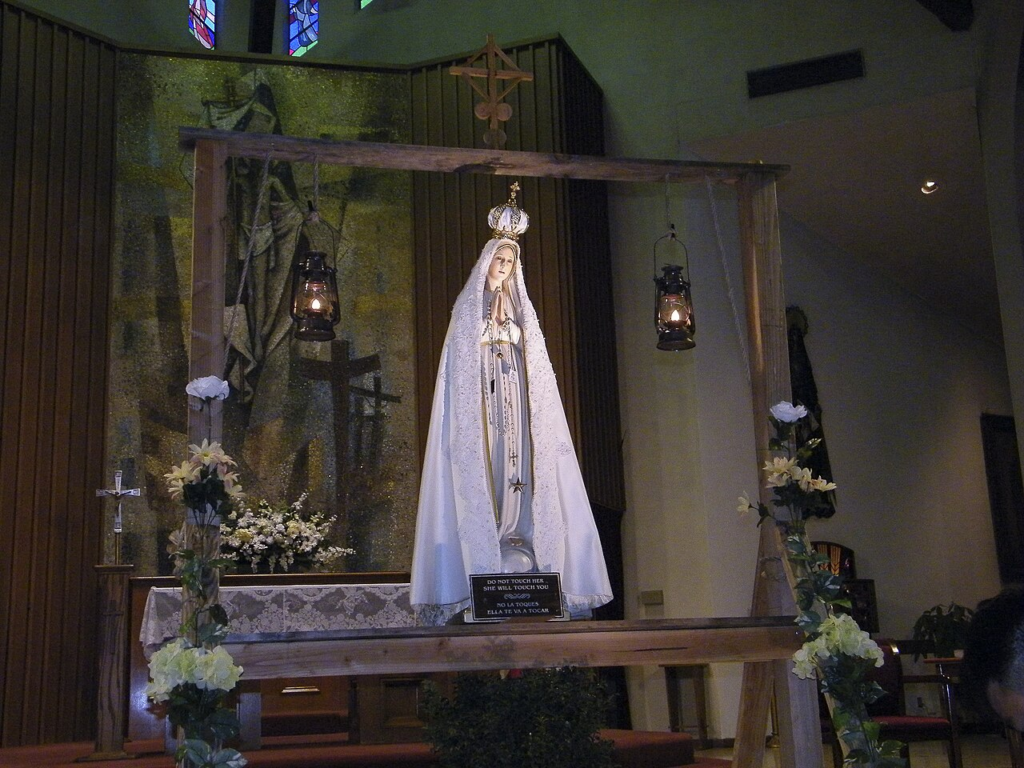
The story of Fatima begins in 1917, when the Blessed Virgin Mary appeared to three shepherd children—Lucia dos Santos and her cousins, Francisco and Jacinta Marto—in the countryside near the village of Fatima¹. What happened during these apparitions would become one of the most important Marian events of the 20th century.
The Six Apparitions (May–October 1917)
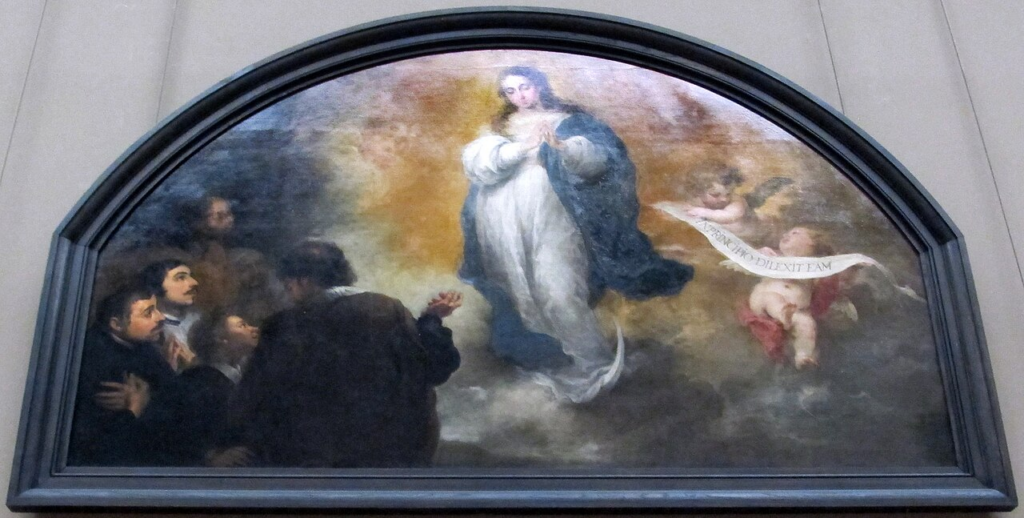
Mary appeared on the 13th day of each month for six months. During these visits, the children described her as a figure “brighter than the sun” who brought a message of hope, peace, and repentance. Each apparition gathered larger crowds as word spread across Portugal.
Key elements of the apparitions included:
- A call to pray the Rosary daily
- A request for conversion of heart and repentance
- Encouragement to offer personal sacrifices for sinners
- Devotion to the Immaculate Heart of Mary
- A series of prophetic messages later known as the “Three Secrets of Fatima”²
The Miracle of the Sun (October 13, 1917)
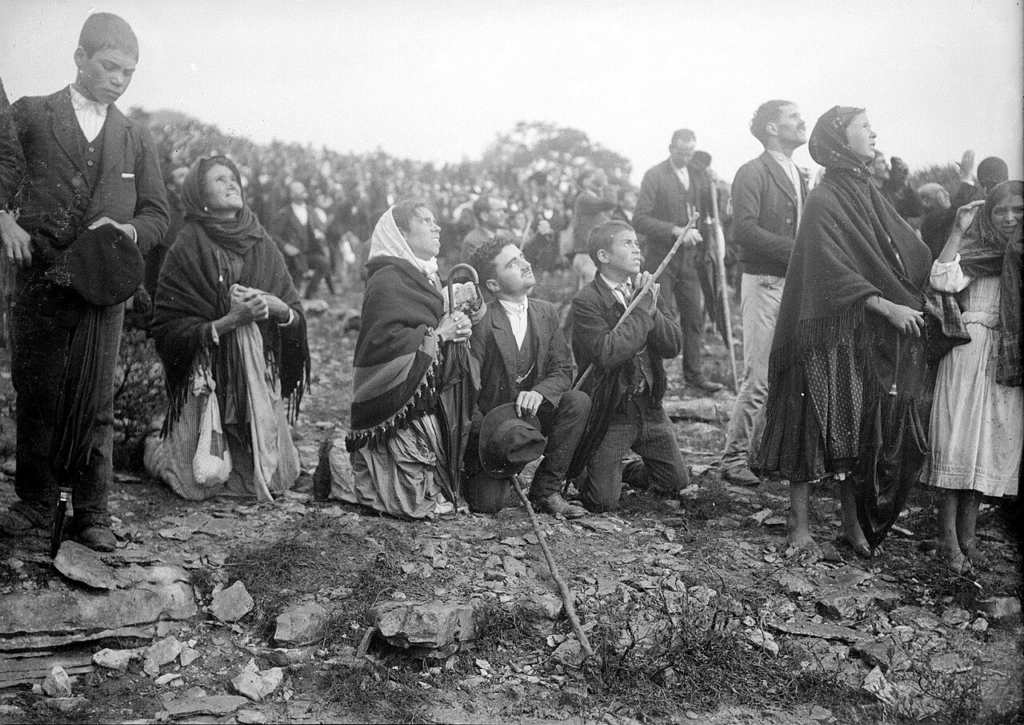
The final apparition drew an estimated 70,000 people, many of whom reported witnessing the sun change colors, spin, and appear to “dance” in the sky³. This phenomenon—now called the “Miracle of the Sun”—was documented by newspapers and eyewitness accounts, making Fatima one of the most widely recorded supernatural events in modern history.
Enduring Significance for Pilgrims
The apparitions invite pilgrims to reflect on:
- God’s mercy
- The power of prayer
- The need for conversion
- Mary’s maternal presence
- Hope during difficult times
The apparitions of 1917 continue to draw the faithful into a deeper understanding of God’s mercy and Our Lady’s maternal care. The events of Fatima invite the pilgrim to reflect on the need for prayer, penance, and conversion, especially in times marked by confusion or suffering. Many who come to Fatima seek grace, clarity, or renewed devotion, finding in Our Lady’s message a call to trust more fully in God and to embrace a life centered on the Gospel.
The Message of Fatima
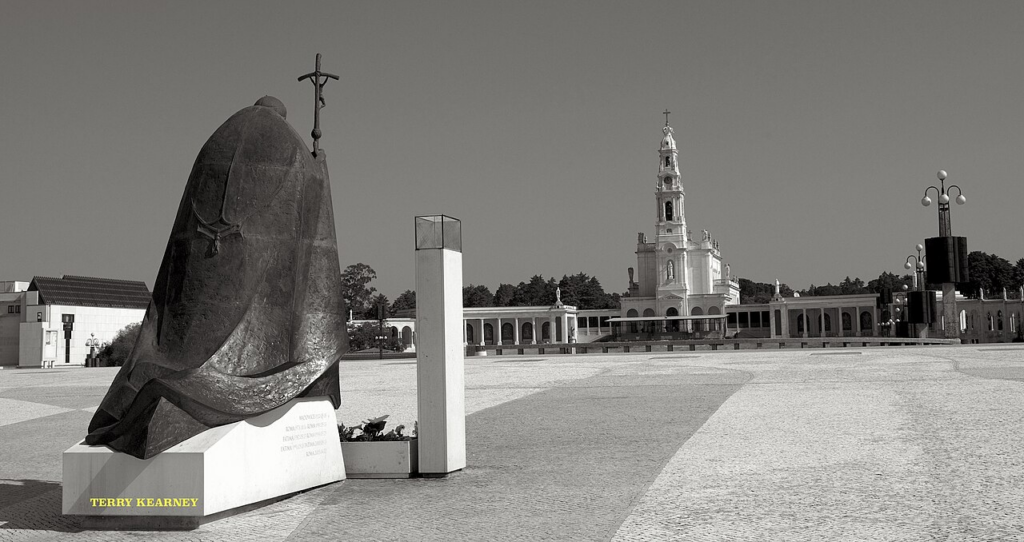
The message of Fatima is simple, direct, and deeply rooted in the heart of the Catholic faith. Across the 1917 apparitions, the Blessed Virgin Mary shared a series of requests and spiritual reminders meant to guide the world toward peace and conversion⁴. These teachings continue to inspire millions of pilgrims today.
Prayer and the Rosary
Mary repeatedly asked the shepherd children to pray the Rosary every day for peace in the world. This became one of the most recognizable elements of the Fatima message and remains a central devotion for visitors to the shrine.
Conversion and Repentance
A central theme of Fatima is the urgent call to turn away from sin and return to God with sincerity of heart. Our Lady taught that prayer, penance, and reparation are necessary not only for personal holiness but also for the salvation of souls. Her message reminds the faithful that grace flows abundantly when we seek reconciliation with God and strive to live according to His commandments⁵.
Sacrifice for the Salvation of Souls
A central theme of Fatima is the urgent call to turn away from sin and return to God with sincerity of heart. Our Lady taught that prayer, penance, and reparation are necessary not only for personal holiness but also for the salvation of souls. Her message reminds the faithful that grace flows abundantly when we seek reconciliation with God and strive to live in obedience to His commandments.
Devotion to the Immaculate Heart of Mary
Mary asked for devotion to her Immaculate Heart, describing it as a refuge for those seeking God’s mercy. This devotion includes prayer, acts of reparation, and a deeper trust in Mary’s guidance.
Peace in the World
Our Lady’s call for peace is rooted in her request for prayer, penance, and devotion to her Immaculate Heart. True peace flows from conversion, fidelity to God’s law, and the grace obtained through the Rosary and acts of reparation. Fatima reminds the faithful that spiritual renewal must begin within the heart of each believer.
What to See in Fatima, Portugal
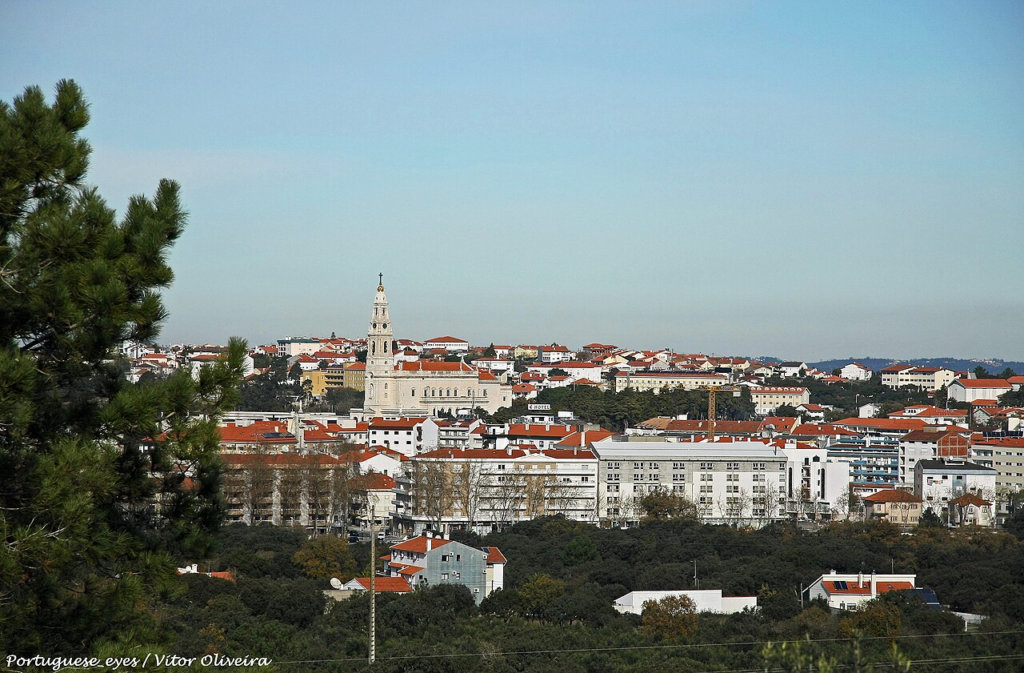
Fatima is filled with sacred places that help pilgrims connect deeply with the events of 1917. Whether you’re visiting for the first time or returning after many years, each site offers a unique opportunity for prayer, reflection, and understanding the heart of the Fatima message.
Sanctuary of Our Lady of Fatima
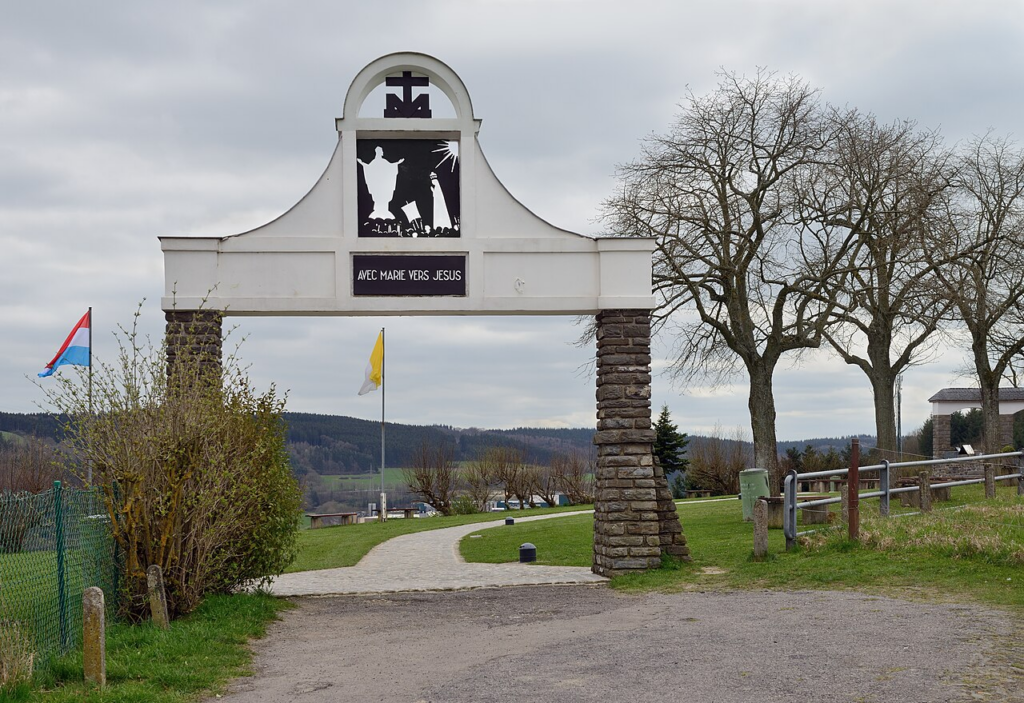
The Sanctuary is the spiritual center of Fatima and the primary gathering place for pilgrims. It includes chapels, basilicas, statues, prayer areas, and sites associated with the apparitions. Many visitors begin their journey here to orient themselves before exploring the surrounding grounds.
Basilica of Our Lady of the Rosary
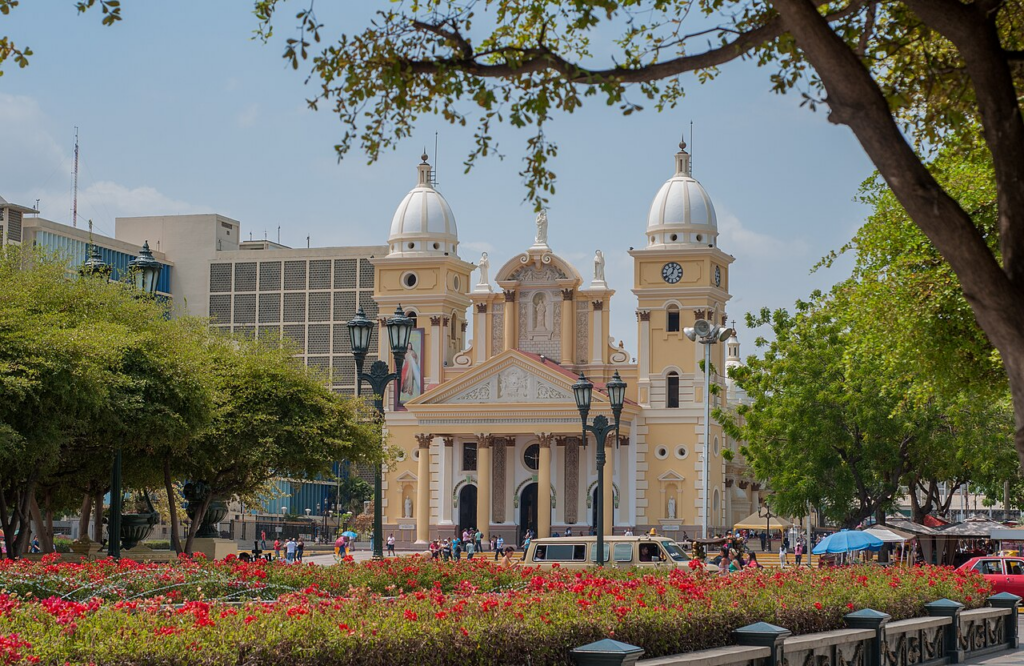
This beautiful basilica stands near the location of the first apparition. Inside, you will find the tombs of St. Francisco Marto, St. Jacinta Marto, and Sister Lucia dos Santos⁶. The atmosphere is quiet and prayerful, making it one of the best places to reflect on Mary’s message.
Chapel of the Apparitions
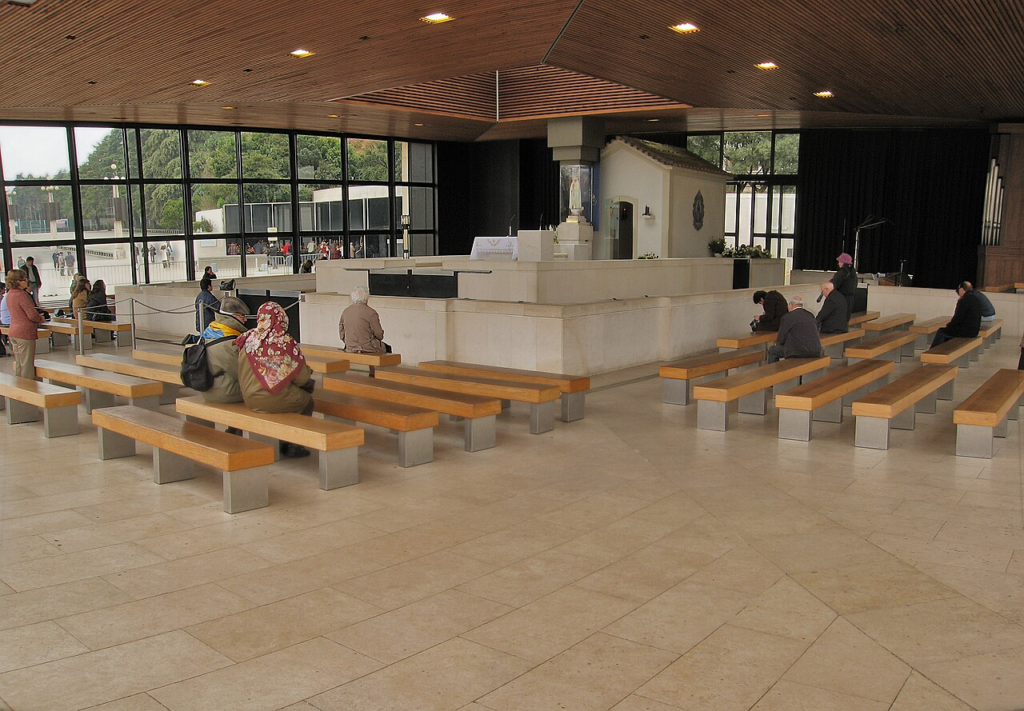
This simple chapel marks the exact spot where the Virgin Mary appeared to the children. The statue of Our Lady of Fatima housed here is one of the most recognized Marian images in the world. Pilgrims often gather to pray the Rosary and attend Mass⁷.
Basilica of the Most Holy Trinity

Completed in 2007, this large modern basilica accommodates thousands of pilgrims for major feast days. It offers daily Mass, Eucharistic Adoration, and confessions. The architectural style is contemporary⁸.
Valinhos (The August Apparition Site)
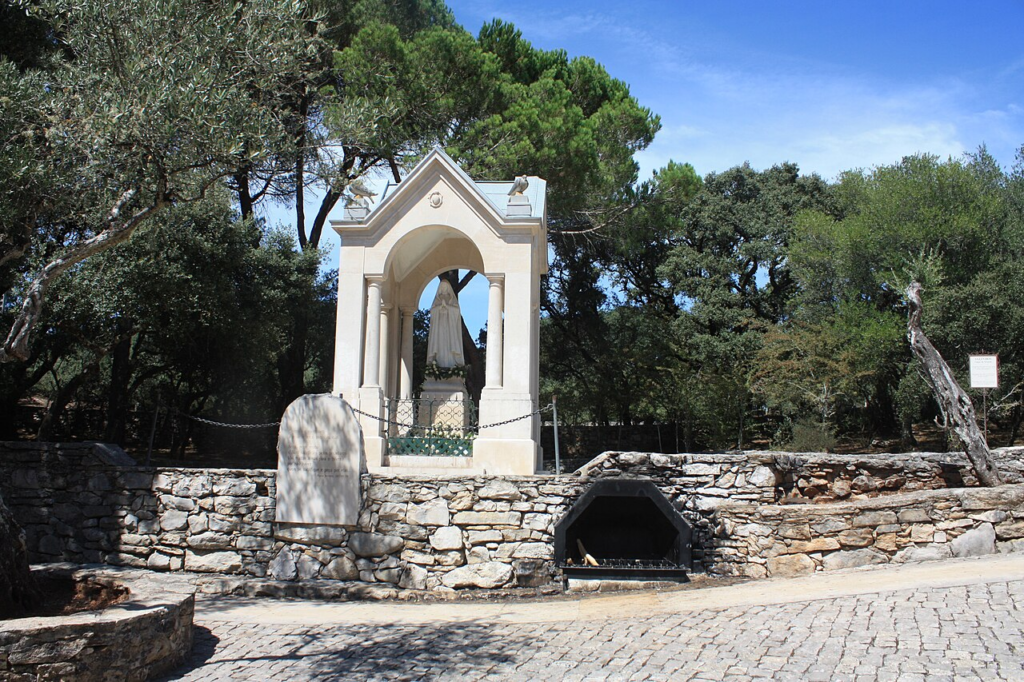
Located just outside the main sanctuary, Valinhos is the site of the August 1917 apparition. Pilgrims can also walk the Way of the Cross (Via Sacra), which ends at the Chapel of St. Stephen. This path is well-suited for prayerful walking and provides pilgrims with a quiet setting to meditate on the mysteries of the faith.⁹
The Village of Aljustrel
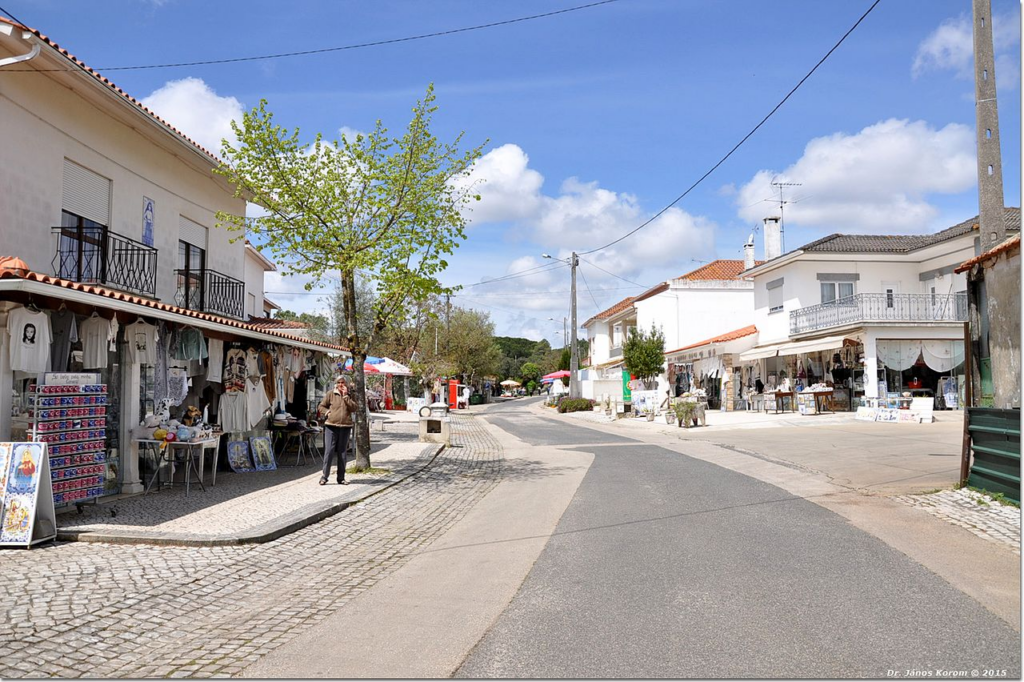
The preserved homes of the visionaries—Lucia, Francisco, and Jacinta—provide a glimpse into their daily life. This area helps pilgrims understand the humility and simplicity of the children who received Mary’s message¹⁰.
Prayer Area and Sacred Heart Monument
Many visitors spend time in Fatima’s large outdoor prayer area, lighting candles or participating in Rosary processions. The Monument to the Sacred Heart of Jesus stands at the center, symbolizing Christ’s love for all who seek Him¹¹.
Travel Tips for Pilgrims
Fatima is known for being one of the most welcoming and accessible pilgrimage destinations. The sanctuary is peaceful, walkable, and thoughtfully designed to help travelers move comfortably while experiencing the spiritual richness of each site.
Accessibility and Walking
Most of the Sanctuary grounds are wide, flat, and paved, making mobility easier for pilgrims. Wheelchair assistance, ramps, and accessible seating areas are available throughout the complex¹². Comfortable walking shoes and light layers are recommended for long days outside.
Weather Considerations
Fatima experiences mild weather most of the year, but temperatures can vary. Spring and fall offer the most comfortable climate, while summer can be warm and crowded. Pilgrims should be prepared for changes in weather during outdoor devotions, including the evening candlelight procession.
Dress Code at Holy Sites
Modest clothing is requested inside all basilicas and chapels. Light layers work well for temperature changes between indoor and outdoor areas. Closed-toe or supportive shoes are best, especially for those planning to walk the Way of the Cross¹³.
Participating in Candlelight Processions
The nightly Rosary and candlelight procession are among the most cherished devotions at Fatima. Pilgrims may find it helpful to remain near the seating areas or perimeter for ease of movement.
Food, Rest, and Facilities
Pilgrims will find suitable places nearby for rest and nourishment between periods of prayer. Benches and shaded zones throughout the Sanctuary make it easy to take breaks. Clean restrooms and drinking fountains are also available.
Health and Safety Tips
The Sanctuary of Fatima maintains a peaceful and orderly environment, with experienced attendants and facilities available for pilgrims who may require assistance. Pharmacies and medical assistance are located near the Sanctuary grounds for those needing additional help¹⁴.
If you need personal assistance or a guided experience tailored to your needs, you may reach the team at info@qohtours.com or call 800-213-4295 for support.
Best Times to Visit Fatima
Fatima welcomes pilgrims year-round, but the experience can vary depending on the season, feast days, and crowd levels. Understanding the best times to visit helps visitors and parish groups plan comfortably and prayerfully.
May and October (Major Pilgrimage Months)
The most significant dates for Fatima are May 13 and October 13, commemorating the first and last apparitions. These months bring large crowds, candlelight processions, special liturgies, and a deeply moving spiritual atmosphere¹⁵. Pilgrims who enjoy vibrant gatherings and major celebrations find these dates especially meaningful.
Spring (March–June)
Spring is one of the most comfortable and peaceful seasons for pilgrimage, with mild temperatures and prayerful outdoor conditions. This season is ideal for walking the Way of the Cross or spending quiet time in prayer.
Autumn (September–November)
Autumn offers pleasant weather with fewer visitors. The cooler temperatures make it easier to explore outdoor shrines, the village of Aljustrel, and Valinhos. Pilgrims seeking a reflective, less crowded experience often prefer this time of year¹⁶.
Summer (June–August)
Summer is warm and busier due to European vacation travel. If visiting during this time, plan for sun protection, hydration, and midday breaks. Evening liturgies and processions are especially beautiful during these warm nights.
Winter (December–February)
Winter brings fewer crowds and a quieter atmosphere. While temperatures can be cool and some outdoor activities limited, this season offers peaceful prayer, slower-paced travel, and easier access to major sites¹⁷.
Suggested Fatima Pilgrimage Itinerary
Whether you’re visiting Fatima for a single day or spending several days in prayer and reflection, this itinerary offers a balanced, prayerful pace suitable for pilgrims who wish to reflect deeply at each sacred site. It highlights the most meaningful sites while giving you time to rest, participate in devotions, and explore the surrounding areas.
Day 1: Sanctuary Grounds & Candlelight Procession
Morning
- Arrive at the Sanctuary of Our Lady of Fatima and spend time orienting yourself at the main prayer area.
- Visit the Chapel of the Apparitions, the heart of the shrine and the location of the first apparition¹⁸.
- Light a candle or pause for personal prayer near the statue of Our Lady of Fatima.
Afternoon
- Explore the Basilica of Our Lady of the Rosary, where the tombs of St. Francisco, St. Jacinta, and Sister Lucia are located¹⁹.
- Attend Mass or pray the Rosary in one of the chapels.
- Enjoy lunch at a nearby café, followed by quiet time for rest or meditation.
Evening
- Join the Rosary and Candlelight Procession, one of the most moving experiences for pilgrims visiting Fatima²⁰.
- Choose a comfortable viewing area with seating or remain near the perimeter for easy access.
Day 2: Valinhos, Via Sacra, and Aljustrel
Morning
- Travel to Valinhos, the site of the August apparition, for reflection and prayer.
- Walk the Way of the Cross (Via Sacra) at a slow, meditative pace; stations are well-marked and offer shaded areas²¹.
Afternoon
- Visit the village of Aljustrel, the childhood homes of Lucia, Francisco, and Jacinta. These preserved houses offer insight into the children’s humble daily life²².
- Spend time at the Well of Arneiro, another site of angelic apparitions associated with Fatima.
Evening
- Return to the Sanctuary for Eucharistic Adoration or a quiet evening stroll through the prayer area.
Day 3: Basilica of the Most Holy Trinity & Personal Devotions
Morning
- Visit the Basilica of the Most Holy Trinity, a large modern basilica hosting Mass, confessions, and devotions throughout the day²³.
- Participate in Confession or attend Holy Mass.
Afternoon
- Spend time exploring any sites you may have missed.
- Shop for sacramentals or visit the museum dedicated to the story of Fatima.
- Conclude your day with a moment of prayer at the Monument to the Sacred Heart of Jesus²⁴.
Frequently Asked Questions
How long should I spend in Fatima?
Most pilgrims find 1–3 days ideal for visiting the main basilicas, attending Mass or the Rosary, walking the Way of the Cross, and exploring Aljustrel. Many visitors prefer a slower, more reflective pace that allows for rest between visits.
Is Fatima easy to walk?
Yes. The Sanctuary grounds are wide, flat, and well-maintained, making them accessible and easy for pilgrims to navigate²⁵.
What should I wear when visiting the shrine?
Modest clothing is recommended inside basilicas and chapels. Comfortable walking shoes are essential, especially if you plan to visit Valinhos or Aljustrel. Layers are helpful for changing temperatures²⁶.
Are English Masses available?
Yes. The Sanctuary frequently offers English-language Masses, especially during peak pilgrimage seasons. Schedules vary, so it’s best to check the official timetable before arrival²⁷.
Is Fatima safe for solo travelers?
Fatima is considered very safe, with a strong presence of shrine volunteers, staff, and police. Medical assistance and pharmacies are easily accessible near the Sanctuary²⁸.
Can I visit Fatima on a guided tour?
Absolutely. Many pilgrims prefer guided group tours for convenience, spiritual support, and accessibility. You can explore personalized options through a custom pilgrimage package or contact the team directly for guidance.
How do I participate in the candlelight procession?
Arrive early to find a comfortable spot. Pilgrims may prefer seating near the edges of the prayer area for easier access. Candles can be purchased at the Sanctuary²⁹.
What is the best way to get from Lisbon to Fatima?
Fatima is about 90 minutes north of Lisbon by car, bus, or private transfer. Many pilgrims choose organized transportation for ease and comfort.
Ready to Begin Your Journey?
Fatima invites every pilgrim into quiet prayer, heartfelt devotion, and a renewed trust in God’s mercy. Whether you come for a day of prayer or a multi-day pilgrimage, the shrine’s chapels, processions, and sacred sites offer a path to spiritual renewal.
If you prefer a guided trip, need help with accessibility, or want a custom itinerary for your parish group, we’re here to help. Begin planning your pilgrimage today — learn more about personalized itineraries on our Custom Pilgrimages page or contact a pilgrimage coordinator at info@qohtours.com or 800-213-4295. To register, use our pilgrimage form: https://www.qohtours.com/qoh-pilgrimage-registration-from/.
Begin planning your pilgrimage today with Queen of Heaven Tours.
Footnotes
- “The Apparitions of Fatima (1917),” Sanctuary of Our Lady of Fátima, https://www.santuario-fatima.pt/en/ (accessed November 30, 2025).
- “Requests and Messages,” Sanctuary of Our Lady of Fátima, https://www.santuario-fatima.pt/en/ (accessed November 30, 2025).
- “Miracle of the Sun at Fatima,” Catholic News Agency, https://www.catholicnewsagency.com/ (accessed November 30, 2025).
- “Fatima: The Message and Devotions,” Sanctuary of Our Lady of Fátima, https://www.santuario-fatima.pt/en/ (accessed November 30, 2025).
- “Devotion to the Immaculate Heart of Mary,” Vatican.va, https://www.vatican.va/ (accessed November 30, 2025).
- “Basilica of Our Lady of the Rosary — Tombs and Relics,” Sanctuary of Our Lady of Fátima, https://www.santuario-fatima.pt/en/ (accessed November 30, 2025).
- “Chapel of the Apparitions,” Sanctuary of Our Lady of Fátima, https://www.santuario-fatima.pt/en/ (accessed November 30, 2025).
- “Basilica of the Most Holy Trinity,” Sanctuary of Our Lady of Fátima, https://www.santuario-fatima.pt/en/ (accessed November 30, 2025).
- “Valinhos and the Way of the Cross,” Sanctuary of Our Lady of Fátima, https://www.santuario-fatima.pt/en/ (accessed November 30, 2025).
- “Aljustrel — Birthplace of the Visionaries,” Sanctuary of Our Lady of Fátima, https://www.santuario-fatima.pt/en/ (accessed November 30, 2025).
- “Prayer Area and Monuments,” Sanctuary of Our Lady of Fátima, https://www.santuario-fatima.pt/en/ (accessed November 30, 2025).
- “Accessibility and Services for Pilgrims,” Sanctuary of Our Lady of Fátima, https://www.santuario-fatima.pt/en/visiting (accessed November 30, 2025).
- “Visitor Guidelines and Dress,” Sanctuary of Our Lady of Fátima, https://www.santuario-fatima.pt/en/visiting (accessed November 30, 2025).
- “Visitor Services — Health & Safety,” VisitPortugal / Official Tourism, https://www.visitportugal.com/ (accessed November 30, 2025).
- “Major Pilgrimage Dates — May and October Events,” Sanctuary of Our Lady of Fátima, https://www.santuario-fatima.pt/en/ (accessed November 30, 2025).
- “Best Time to Visit Portugal — Weather Guide,” VisitPortugal / Official Tourism, https://www.visitportugal.com/ (accessed November 30, 2025).
- “Fatima in Winter — Visitor Notes,” Sanctuary of Our Lady of Fátima, https://www.santuario-fatima.pt/en/ (accessed November 30, 2025).
- “Chapel of the Apparitions — Significance,” Sanctuary of Our Lady of Fátima, https://www.santuario-fatima.pt/en/ (accessed November 30, 2025).
- “Tombs of the Visionaries,” Sanctuary of Our Lady of Fátima, https://www.santuario-fatima.pt/en/ (accessed November 30, 2025).
- “Rosary and Candlelight Procession — How to Participate,” Sanctuary of Our Lady of Fátima, https://www.santuario-fatima.pt/en/ (accessed November 30, 2025).
- “Via Sacra (Way of the Cross) — Valinhos,” Sanctuary of Our Lady of Fátima, https://www.santuario-fatima.pt/en/ (accessed November 30, 2025).
- “Aljustrel — The Visionaries’ Homes and Museum,” Sanctuary of Our Lady of Fátima, https://www.santuario-fatima.pt/en/ (accessed November 30, 2025).
- “Basilica of the Most Holy Trinity — Mass Times & Confessions,” Sanctuary of Our Lady of Fátima, https://www.santuario-fatima.pt/en/ (accessed November 30, 2025).
- “Monument to the Sacred Heart of Jesus,” Sanctuary of Our Lady of Fátima, https://www.santuario-fatima.pt/en/ (accessed November 30, 2025).
- “Accessibility for Visitors,” Sanctuary of Our Lady of Fátima, https://www.santuario-fatima.pt/en/visiting (accessed November 30, 2025).
- “Visitor Dress and Etiquette,” Sanctuary of Our Lady of Fátima, https://www.santuario-fatima.pt/en/visiting (accessed November 30, 2025).
- “Mass Schedule and Languages,” Sanctuary of Our Lady of Fátima — Official Liturgies, https://www.santuario-fatima.pt/en/ (accessed November 30, 2025).
- “Safety, Health & Medical Services for Tourists,” VisitPortugal / Official Tourism, https://www.visitportugal.com/ (accessed November 30, 2025).
- “Candles, Processions, and Visitor Participation,” Sanctuary of Our Lady of Fátima — Visitor Info, https://www.santuario-fatima.pt/en/ (accessed November 30, 2025).
Bibliography
Sanctuary of Our Lady of Fátima. “The Apparitions of Fatima (1917).” Sanctuario de Fátima — Official Website. Accessed November 30, 2025. https://www.santuario-fatima.pt/en/.
Sanctuary of Our Lady of Fátima. “Requests and Messages.” Sanctuario de Fátima — Official Website. Accessed November 30, 2025. https://www.santuario-fatima.pt/en/.
Catholic News Agency. “Miracle of the Sun at Fatima.” Catholic News Agency. Accessed November 30, 2025. https://www.catholicnewsagency.com/.
Vatican. “Documents and Teachings on Marian Devotions.” Vatican.va. Accessed November 30, 2025. https://www.vatican.va/.
Sanctuary of Our Lady of Fátima. “Sanctuary — Visitor Information and Sites.” Sanctuario de Fátima — Official Website. Accessed November 30, 2025. https://www.santuario-fatima.pt/en/.
VisitPortugal. “Fatima — Visitor Services, Safety, and Local Tourism Information.” VisitPortugal — Official Tourism. Accessed November 30, 2025. https://www.visitportugal.com/.
Sanctuary of Our Lady of Fátima. “Basilica of the Most Holy Trinity — Liturgies & Services.” Sanctuario de Fátima — Official Website. Accessed November 30, 2025. https://www.santuario-fatima.pt/en/.
Sanctuary of Our Lady of Fátima. “Valinhos and Via Sacra.” Sanctuario de Fátima — Official Website. Accessed November 30, 2025. https://www.santuario-fatima.pt/en/.
Sanctuary of Our Lady of Fátima. “Aljustrel — The Visionaries’ Homes.” Sanctuario de Fátima — Official Website. Accessed November 30, 2025. https://www.santuario-fatima.pt/en/.
Sanctuary of Our Lady of Fátima. “Visitor Guidelines — Dress Code, Accessibility, and Processions.” Sanctuario de Fátima — Official Website. Accessed November 30, 2025. https://www.santuario-fatima.pt/en/.