
Our Lady of Guadalupe Shrine — A Complete Catholic Pilgrimage Guide
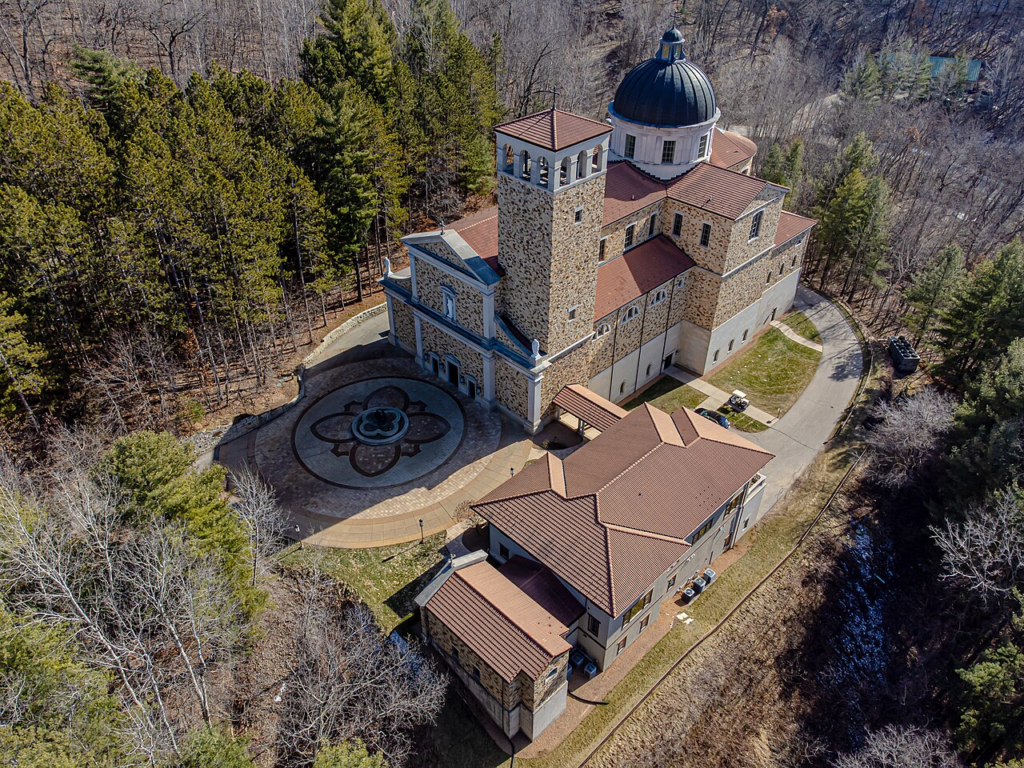
The Our Lady of Guadalupe Shrine in Mexico City is one of the most visited Catholic pilgrimage destinations in the world. Each year, millions of pilgrims travel to the site where the Blessed Virgin Mary appeared to St. Juan Diego in 1531, leaving the miraculous image on his tilma, through which countless souls have been drawn to the faith across the globe. For U.S. Catholics—especially seniors, parish groups, and first-time pilgrims—this sacred place offers a profound experience of Mary’s love, comfort, and maternal protection.
In this guide, you’ll explore the story of the apparitions, discover what to see at the Basilica of Our Lady of Guadalupe, learn practical travel tips for pilgrims, and find a suggested itinerary to help plan a meaningful Guadalupe pilgrimage. Whether you are joining a parish pilgrimage or preparing a custom pilgrimage journey, the shrine invites every traveler into a deeper encounter with the Mother of God.
The Story of Our Lady of Guadalupe
The story of Our Lady of Guadalupe begins in 1531, when the Blessed Virgin Mary appeared to an indigenous convert, St. Juan Diego, on Tepeyac Hill outside present-day Mexico City¹. Speaking in his native Nahuatl, Mary identified herself as the Mother of God and asked that a church be built on the hill so she could show her love, compassion, and protection to all her children.
The First Apparition
On December 9, Juan Diego encountered a radiant woman surrounded by light. She addressed him tenderly and requested he deliver her message to Bishop Juan de Zumárraga. The bishop was hesitant, asking for a sign to confirm the authenticity of the apparition².
The Miracle of the Roses
During the next apparition, Mary instructed Juan Diego to gather flowers from the barren hillside—something impossible during winter. To his amazement, he found Castilian roses growing there. Mary arranged the roses in his tilma and sent him to the bishop.
The Miracle of the Tilma
When Juan Diego opened his tilma before the bishop, the roses fell to the floor, revealing the now-famous image of Our Lady imprinted on the fabric³. This miraculous image—preserved for nearly 500 years without deterioration—became the foundation of devotion at the Our Lady of Guadalupe Shrine.
Church Recognition and Devotion
The bishop authorized the construction of the first shrine at Tepeyac, and devotion to Our Lady of Guadalupe quickly spread across Mexico and the Americas. Today, she is honored as Patroness of the Americas, Mother of the Unborn, and Star of the New Evangelization.
For pilgrims—especially those seeking comfort—Mary’s message of tenderness, protection, and hope continues to resonate deeply.
The Basilica of Our Lady of Guadalupe
The Basilica of Our Lady of Guadalupe is the spiritual center of the shrine complex and one of the most important Catholic pilgrimage sites in the world. It houses the miraculous tilma of St. Juan Diego—the only known image directly created by Mary’s intervention. For pilgrims, parish groups, and first-time pilgrims, visiting the basilica is a profoundly moving and accessible experience.
The New Basilica (1976)
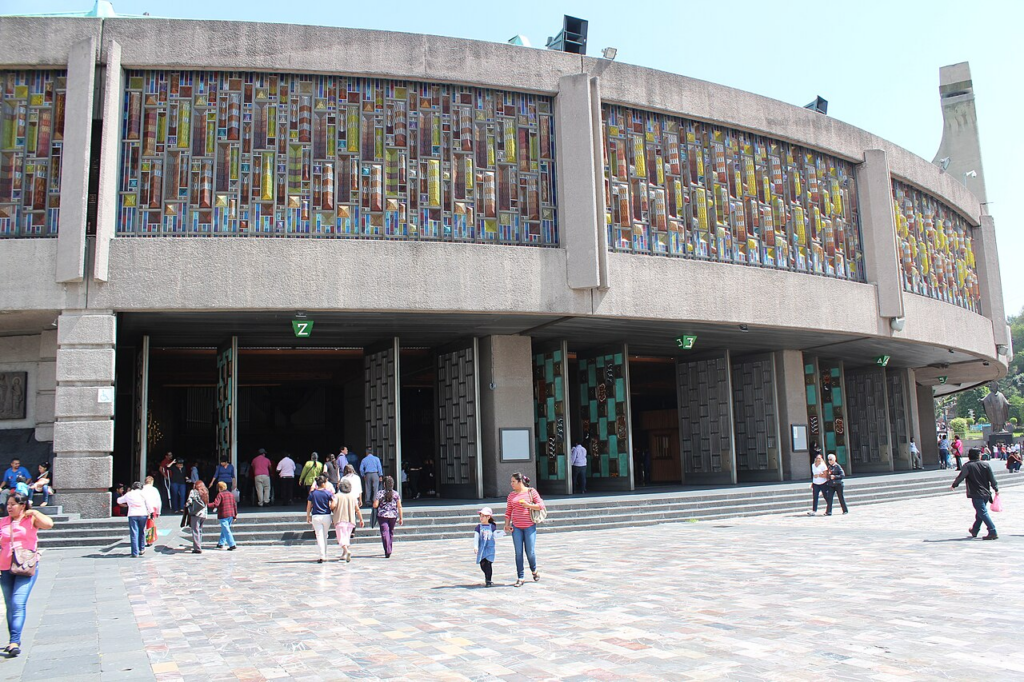
Built to welcome millions of pilgrims each year, the modern circular basilica can hold over 10,000 worshippers at once⁴. Its design ensures clear visibility of the tilma from anywhere inside. Moving walkways beneath the image allow pilgrims to view the tilma up close without crowding.
Inside the basilica, pilgrims can participate in:
- Daily Masses
- Eucharistic Adoration
- Multilingual confessions
- Devotional music and liturgies
The space is bright, open, and fully accessible, making it ideal for pilgrims.
The Miraculous Tilma
Displayed behind the main altar, the tilma features Mary’s image standing in front of the rising sun, clothed in stars, and supported by an angel⁵. The image has been the subject of scientific studies, many of which affirm that the tilma’s preservation cannot be fully explained by natural means.
Pilgrims come from around the world to pray before this sacred image, entrusting Mary with their intentions, sorrows, and hopes.
The Old Basilica (1709)
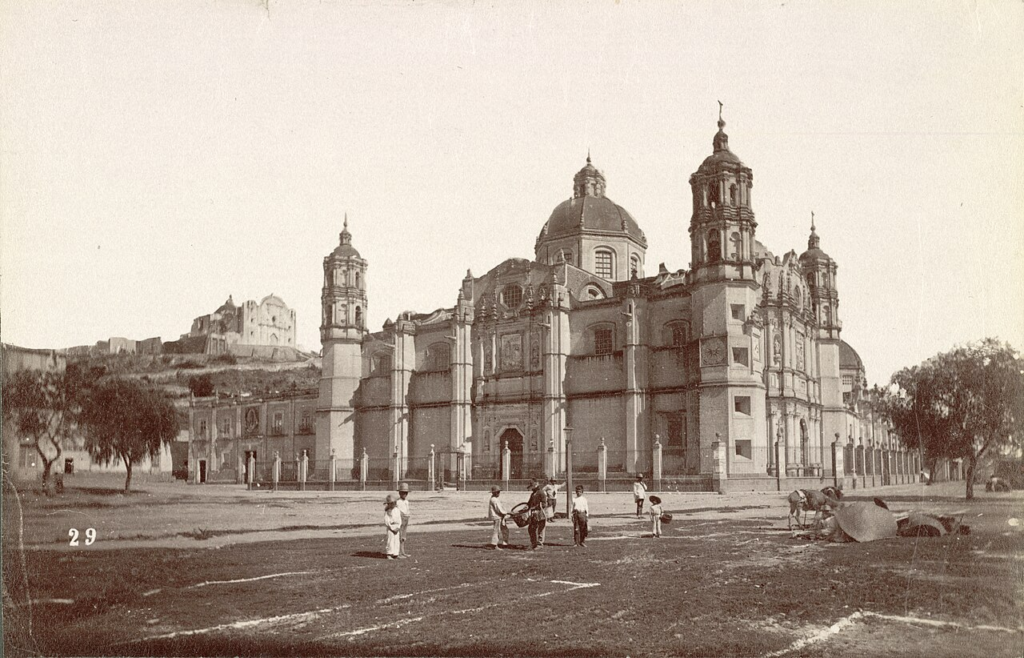
The original basilica, built in the early 18th century, stands nearby. Though no longer used for major liturgies due to structural concerns, it remains open for prayer and reflection. Its baroque architecture recalls centuries of devotion to Our Lady of Guadalupe⁶.
Papal Visits and Global Significance
Popes—including St. John Paul II and Pope Francis—have visited the shrine, further affirming its importance. St. John Paul II declared Our Lady of Guadalupe the “Patroness of the Americas”, making this basilica a central destination for Catholic pilgrims from North and South America.
Things to See at the Guadalupe Shrine Complex
The shrine complex surrounding the Our Lady of Guadalupe Shrine is filled with sacred spaces, chapels, gardens, and devotional pathways that help pilgrims enter deeply into the story of the apparitions. Pilgrims will appreciate the mix of accessible areas, shaded resting spots, and opportunities for peaceful prayer.
Tepeyac Hill (Cerro del Tepeyac)
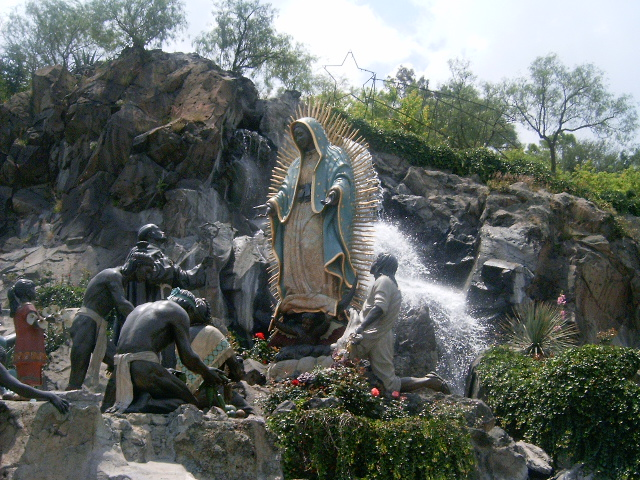
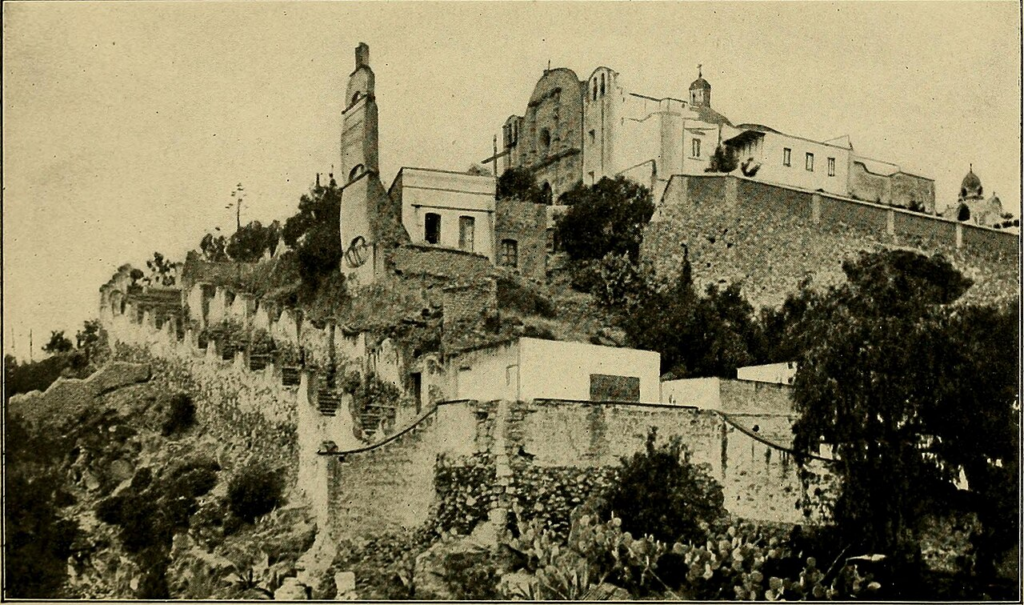
This is the site where Mary appeared to St. Juan Diego in 1531. Pilgrims can walk—or take accessible pathways—to the top of the hill, where a beautiful chapel stands in honor of the apparition⁷. Along the way, you’ll find gardens, sculptures, and quiet areas perfect for reflection.
Chapel of the Hill (Capilla del Cerrito)
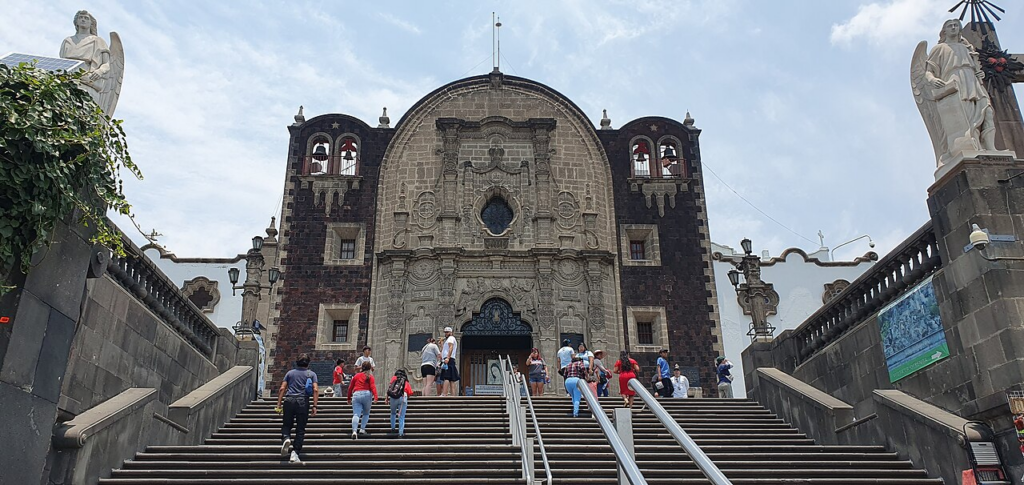
Located near the top of Tepeyac Hill, this chapel commemorates the fourth apparition and offers stunning views of Mexico City. Inside, you’ll find devotional artwork inspired by the miraculous events surrounding Juan Diego.
Pocito Chapel (Capilla del Pocito)
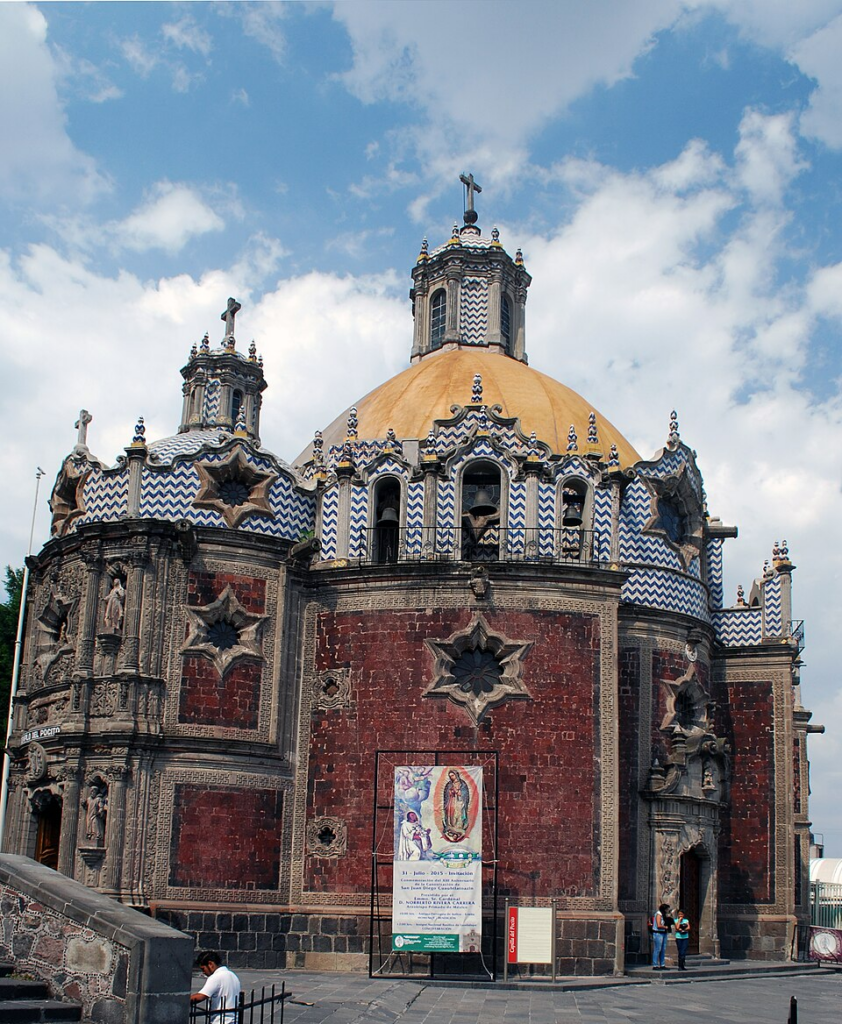
Built near a spring believed to have miraculous origins, the Pocito Chapel is richly decorated with tilework and frescoes. Pilgrims visit this small chapel to pray for healing, guidance, and intercession.
The Church of the Indians (Capilla de Indios)
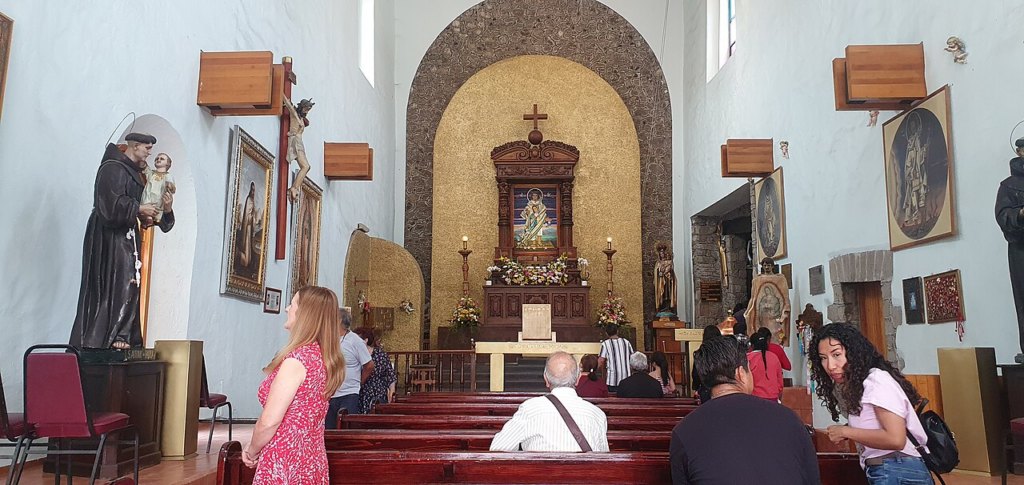
This historic chapel was constructed shortly after the apparitions to serve indigenous converts. It is deeply connected to the earliest expressions of devotion to Our Lady of Guadalupe and reflects the cultural blending that defines this apparition.
The Marian Gardens & Walkways
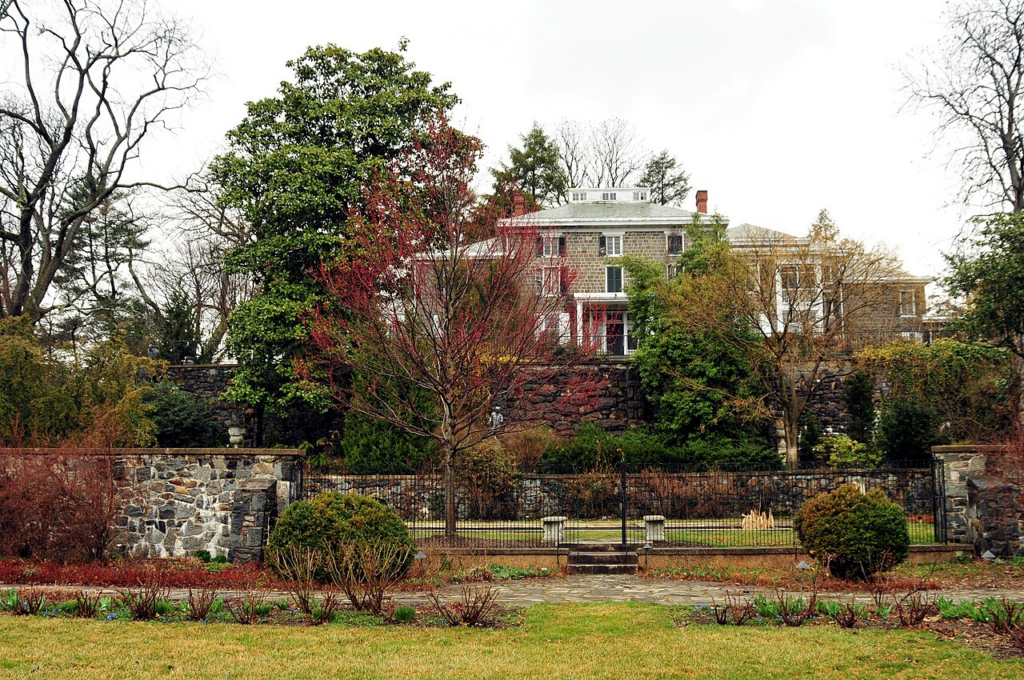
Beautiful pathways lead pilgrims through gardens filled with roses, statues, and quiet seating areas. Pilgrims appreciate the opportunity to rest in shaded sections while praying or enjoying the peaceful environment.
Museum of the Basilica
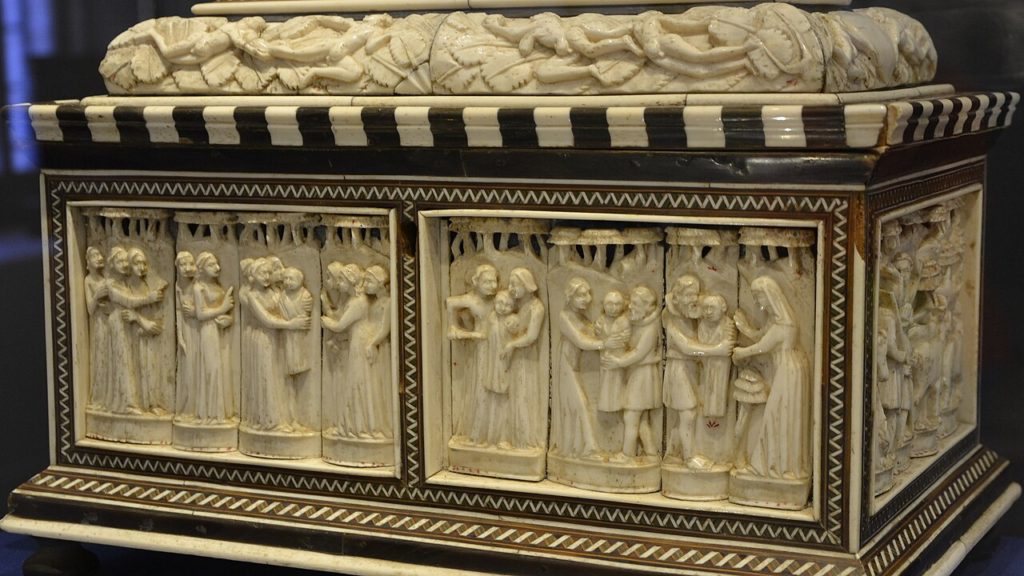
The museum features religious art, documents related to the apparitions, and exhibits about the cultural and spiritual impact of Our Lady of Guadalupe⁸. It’s an excellent stop for pilgrims who want to understand the apparition on a deeper historical level.
Outdoor Devotional Areas
Throughout the shrine complex, you’ll find:
- Candle-lighting areas
- Rosary paths
- Scenic viewpoints
- Gathering plazas for large processions
These spaces are well-maintained and accessible, making them ideal for group prayer or personal meditation.
The Spiritual Significance of a Guadalupe Pilgrimage
A pilgrimage to the Our Lady of Guadalupe Shrine is a journey into Mary’s message of maternal charity, conversion, and trust in God. The apparition of 1531 was more than a miraculous event—it was a moment of profound love for all people, especially the poor, the suffering, and those seeking God’s mercy. For pilgrims and parish groups, the shrine offers a deeply comforting and transformative experience.
Mary’s Message of Love and Protection
Our Lady of Guadalupe spoke tenderly to Juan Diego, calling him “my little son” and assuring him of her motherly care⁹. Her words continue to resonate with pilgrims seeking healing, comfort, or renewed faith. Many visitors describe feeling embraced by Mary’s presence as they pray before the tilma.
A Symbol of Unity for the Americas
Mary appeared with features, clothing, and symbols that connected with the indigenous people of Mexico, bridging cultural divides and bringing millions to the faith. This makes the shrine a powerful symbol of unity across North, Central, and South America. For many U.S. Catholics, a Guadalupe pilgrimage feels like reconnecting with the broader family of the Church.
A Place of Healing and Renewal
Pilgrims come to the shrine with intentions for:
- Physical healing
- Emotional strength
- Family restoration
- Vocational guidance
- Peace during difficult seasons
The peaceful environment, Marian devotions, and sacramental opportunities help visitors surrender their burdens to Mary and encounter Christ’s mercy.
A Deep Encounter With Marian Devotion
Praying the Rosary at the basilica, walking the rose pathways, or visiting Tepeyac Hill can renew a pilgrim’s relationship with Mary in a profound way. Pilgrims appreciate the calm, prayerful setting that allows time for reflection and gratitude.
Travel Tips for Pilgrims
A pilgrimage to the Our Lady of Guadalupe Shrine can be deeply meaningful and comfortable for seniors, especially with a little preparation. The shrine complex is large but well-designed, offering accessible walkways, shaded resting areas, and supportive services to make your visit peaceful and manageable.
Mobility and Accessibility
The newer basilica is fully accessible, with ramps, elevators, and wide aisles that accommodate wheelchairs and walkers¹⁰. Moving walkways beneath the tilma make it easy for pilgrims to view the image without standing in long lines. Paths around the shrine are mostly paved, though Tepeyac Hill includes some inclined walkways.
Navigating Crowds
Pilgrims visit year-round, but weekends and feast days can be especially busy. Pilgrims may prefer:
- Early morning visits
- Weekday pilgrimages
- Avoiding December 12 unless prepared for large crowds
Guided group visits often include reserved seating areas to make liturgies more accessible.
Weather Considerations
Mexico City’s climate is mild, but sun exposure can be strong, especially at the hilltop chapels. Pilgrims should bring:
- A hat or sunshade
- Water
- Comfortable walking shoes
- A light jacket for cool mornings
Spring and fall are particularly comfortable seasons for visitors¹¹.
Safety Tips
The shrine complex is safe and well-patrolled, but as in any major city:
- Keep belongings close
- Stick to well-lit areas in the evening
- Use taxis or rideshares for transportation
- Avoid wandering outside the complex alone at night¹²
Many pilgrims find that traveling with a group adds comfort and security.
Rest Areas and Facilities
There are ample seating areas, restrooms, and shaded spots throughout the complex. Cafés and small shops are nearby for meals or breaks. Pilgrims can take their time moving between chapels and devotional areas without feeling rushed.
Medical Assistance
Medical stations and support staff are available within the basilica grounds. If you have mobility or health concerns, it’s wise to notify your pilgrimage coordinator ahead of time for personalized support.
For customized travel planning, email info@qohtours.com or call 800-213-4295.
Best Times to Visit the Shrine
The Our Lady of Guadalupe Shrine welcomes pilgrims throughout the year, but choosing the right time can make your visit more prayerful, comfortable, and accessible.s. Weather, crowds, liturgical events, and feast days all play a role in shaping the pilgrimage experience.
The Feast Day — December 12
December 12, the Feast of Our Lady of Guadalupe, is one of the largest Catholic celebrations in the world¹³. Pilgrims travel from across Mexico and the Americas to honor the Blessed Mother. The atmosphere is joyful and deeply devotional, filled with:
- Midnight Mass
- Las Mañanitas (serenade to Our Lady)
- Cultural dances, songs, and processions
However, the crowds are immense. Pilgrims who desire a quieter experience may prefer other dates, unless accompanied by a group or prepared for large gatherings.
Spring (March–May)
Spring is one of the most pleasant times for a Guadalupe pilgrimage. Temperatures are mild, the gardens around Tepeyac Hill are in bloom, and weekday mornings offer peaceful opportunities for prayer¹⁴.
Autumn (September–November)
Autumn provides comfortable weather and fewer crowds compared to summer. Many pilgrims visit in October and early November to enjoy:
- Gentle temperatures
- Clear skies
- Shorter wait times for viewing the tilma
This season is ideal for travelers who appreciate a quiet, reflective atmosphere.
Summer (June–August)
Summer brings increased tourism and warmer temperatures, especially midday. Pilgrims visiting during this period should:
- Visit early in the morning
- Stay hydrated
- Wear sun protection
- Use shaded rest areas
While busy, summer evenings can be beautifully peaceful around the basilica.
Winter (January–February)
Aside from December 12, winter is relatively calm at the shrine. Cooler mornings and lighter crowds make it a good time for intimate prayer and reflection¹⁵. Many pilgrims enjoy the gentle pace and easy access to chapels, gardens, and the tilma.
Suggested Guadalupe Pilgrimage Itinerary
This itinerary is designed with seniors and parish groups in mind, offering a gentle pace that balances the most important devotional sites with time for rest, reflection, and prayer. It helps you enter fully into the meaning of a Guadalupe pilgrimage while keeping the experience accessible and peaceful.
Day 1: New Basilica & Miraculous Tilma
Morning
- Begin at the Basilica of Our Lady of Guadalupe, the heart of the shrine complex.
- Attend Mass or spend quiet time in Adoration.
- Visit the moving walkways beneath the miraculous tilma, allowing close, unobstructed viewing of Mary’s image¹⁶.
- Pilgrims can use priority seating and accessible entrances.
Afternoon
- Explore the basilica’s side chapels and devotional areas.
- Visit the large plaza outside the basilica, where many pilgrim groups gather for rosary and song.
- Enjoy lunch at a nearby café before resting at your hotel.
Evening
- Return for evening prayer or simply enjoy the peaceful atmosphere around the shrine.
Day 2: Tepeyac Hill & Chapel of the Hill
Morning
- Travel to Tepeyac Hill, where the apparitions took place.
- Visit the Chapel of the Hill (Capilla del Cerrito), located near the apparition site¹⁷.
- Pilgrims should take accessible pathways or taxi services to avoid steep climbs.
Afternoon
- Explore the Pocito Chapel, known for its beautiful mosaic work and healing associations.
- Walk through the gardens filled with roses, statues, and shaded areas ideal for reflection.
- Stop by the Indigenous Chapel, a site deeply connected to the earliest converts after the apparition.
Evening
- Enjoy a quiet dinner and optional group rosary at the shrine or your hotel.
Day 3: Museum, Devotional Walkways & Mexico City Cathedral
Morning
- Visit the Museum of the Basilica, which features artwork, historical documents, and exhibits about the tilma’s impact throughout history¹⁸.
- Spend time in the outdoor gardens and devotional walkways surrounding the shrine.
Afternoon
- Optional excursion to the historic Mexico City Metropolitan Cathedral, one of the oldest and most beautiful churches in the Americas.
- Pilgrims will appreciate the cathedral’s accessible entrances and seating areas.
Evening
- Conclude your pilgrimage with personal prayer at the basilica or attend an evening Mass.
- Pilgrims preparing for a guided trip can complete registration at the QOH Pilgrimage Form.
Frequently Asked Questions
How many days should I spend at the Our Lady of Guadalupe Shrine?
Most pilgrims find 2–3 days ideal for visiting the basilica, viewing the tilma, exploring Tepeyac Hill, and spending time in prayer. Pilgrims appreciate having an extra day to move at a comfortable pace and rest between visits¹⁹.
Is the shrine accessible for pilgrims?
Yes. The New Basilica is fully accessible with ramps, elevators, wide aisles, and moving walkways. Rest areas, shaded seating, and medical stations are available throughout the shrine complex²⁰.
Can I see the miraculous tilma up close?
Absolutely. Pilgrims use moving walkways directly beneath the image, allowing a close and unobstructed view of the miraculous tilma without crowding²¹.
Are English Masses available?
While most liturgies are in Spanish, English-language Masses may be available during certain group pilgrimages or major feast seasons. Pilgrims can inquire at the basilica information desk or plan Masses with a guided group²².
Is Mexico City safe for senior pilgrims?
The shrine complex is safe, well-patrolled, and filled with pilgrims from morning to evening. Seniors should use taxis or group transportation, avoid late-night walking, and stay in reputable nearby hotels²³.
What should I wear when visiting the shrine?
Modest clothing is required:
- Covered shoulders
- Knee-length garments
- No hats inside chapels
Comfortable walking shoes are essential for navigating the shrine grounds and Tepeyac Hill²⁴.
How do I get from central Mexico City to the basilica?
Taxis, rideshares, and private pilgrimage shuttles are the safest and most convenient options. Pilgrims often prefer pre-arranged group transport for comfort and ease of access.
Is the Feast of Our Lady of Guadalupe a good time to visit?
It depends on your preference. December 12 is one of the most vibrant, joyful celebrations in the Catholic world—but also one of the busiest. Pilgrims who prefer quieter prayer may choose dates outside this week²⁵.
Conclusion
A pilgrimage to the Our Lady of Guadalupe Shrine is a journey into Mary’s motherly love, compassion, and protection. Standing before the miraculous tilma—preserved for centuries without fading—pilgrims feel personally welcomed by the Mother of God. Whether you come seeking healing, comfort, gratitude, or a deeper relationship with Christ, the shrine offers a prayerful, peaceful, and profoundly moving experience.
For travelers, the basilica’s accessibility, wide walkways, shaded gardens, and supportive environment make it an ideal destination for a spiritually refreshing pilgrimage. With thoughtful planning, you can explore Tepeyac Hill, pray before the tilma, attend liturgies, and enjoy the beauty of Mexico City at a gentle pace.
If you’d like personalized help planning your travel dates, accessibility needs, or group arrangements, our team is here to guide you. Reach out anytime at info@qohtours.com or 800-213-4295, or explore customized journey options through our Custom Pilgrimages page.
Begin planning your pilgrimage today with Queen of Heaven Tours.
Footnotes
- “Apparitions of 1531 – Historical Overview,” Basilica of Our Lady of Guadalupe, https://www.virgendeguadalupe.org.mx/ (accessed December 4, 2025).
- “The Story of Juan Diego and Bishop Zumárraga,” Catholic News Agency, https://www.catholicnewsagency.com/ (accessed December 4, 2025).
- “The Miraculous Image on the Tilma,” USCCB, https://www.usccb.org/ (accessed December 4, 2025).
- “Construction of the New Basilica (1976),” Basilica of Guadalupe Official Site, https://www.virgendeguadalupe.org.mx/ (accessed December 4, 2025).
- “Scientific Studies on the Tilma Image,” Vatican.va, https://www.vatican.va/ (accessed December 4, 2025).
- “History of the Old Basilica,” Mexico City Archdiocese, https://arquidiocesismexico.org.mx/ (accessed December 4, 2025).
- “Tepeyac Hill – Site of the Apparitions,” Mexico Tourism Board (Official), https://www.visitmexico.com/ (accessed December 4, 2025).
- “Museum of the Basilica – Heritage Collection,” Basilica of Guadalupe Museum, https://www.virgendeguadalupe.org.mx/ (accessed December 4, 2025).
- “Nican Mopohua – Original Account of the Apparitions,” Library of Congress, https://www.loc.gov/ (accessed December 4, 2025).
- “Accessibility Services at the Basilica,” Basilica Administration, https://www.virgendeguadalupe.org.mx/ (accessed December 4, 2025).
- “Mexico City Climate and Seasons,” Government of Mexico Tourism, https://www.visitmexico.com/ (accessed December 4, 2025).
- “Safety Guidelines for Pilgrims in Mexico City,” U.S. Embassy Mexico, https://mx.usembassy.gov/ (accessed December 4, 2025).
- “Feast of Our Lady of Guadalupe – December 12,” Vatican News, https://www.vaticannews.va/ (accessed December 4, 2025).
- “Best Seasons to Visit Mexico City,” Government of Mexico Tourism, https://www.visitmexico.com/ (accessed December 4, 2025).
- “Winter Travel in Mexico City,” Mexico City Government Travel Office, https://www.cdmx.gob.mx/ (accessed December 4, 2025).
- “Pilgrim Access to the Tilma,” Basilica Official Visitor Guide, https://www.virgendeguadalupe.org.mx/ (accessed December 4, 2025).
- “Capilla del Cerrito – Historical Notes,” Archdiocese of Mexico, https://arquidiocesismexico.org.mx/ (accessed December 4, 2025).
- “Cultural and Religious Exhibits of the Basilica Museum,” Basilica Museum Publications, https://www.virgendeguadalupe.org.mx/ (accessed December 4, 2025).
- “Recommended Duration for Marian Pilgrimages,” USCCB Pilgrimage Office, https://www.usccb.org/ (accessed December 4, 2025).
- “Accessibility for Senior Travelers,” Basilica Administration, https://www.virgendeguadalupe.org.mx/ (accessed December 4, 2025).
- “Viewing the Miraculous Image,” Vatican.va, https://www.vatican.va/ (accessed December 4, 2025).
- “Mass and Confession Schedule for Pilgrims,” Basilica of Our Lady of Guadalupe, https://www.virgendeguadalupe.org.mx/ (accessed December 4, 2025).
- “Mexico City Safety and Travel Advisory,” U.S. Embassy Mexico, https://mx.usembassy.gov/ (accessed December 4, 2025).
- “Dress Code for Pilgrims at Sacred Sites,” Catholic News Agency, https://www.catholicnewsagency.com/ (accessed December 4, 2025).
- “December 12 Devotions and Crowds,” Basilica of Guadalupe – Feast Day Guide, https://www.virgendeguadalupe.org.mx/ (accessed December 4, 2025).
Bibliography
Archdiocese of Mexico. Historic Chapels and Pilgrimage Sites. Accessed December 4, 2025. https://arquidiocesismexico.org.mx/.
Basilica of Our Lady of Guadalupe. Official Pilgrim Information and Tilma History. Accessed December 4, 2025. https://www.virgendeguadalupe.org.mx/.
Basilica Museum. Cultural and Religious Heritage Exhibits. Accessed December 4, 2025. https://www.virgendeguadalupe.org.mx/.
Catholic News Agency. Our Lady of Guadalupe – Apparitions and Devotions. Accessed December 4, 2025. https://www.catholicnewsagency.com/.
Government of Mexico – Tourism Board. Mexico City Travel and Pilgrimage Climate Guide. Accessed December 4, 2025. https://www.visitmexico.com/.
Library of Congress. Nican Mopohua – Original Nahuatl Account of the Guadalupe Apparitions. Accessed December 4, 2025. https://www.loc.gov/.
U.S. Embassy Mexico. Pilgrim Safety and Travel Advisories. Accessed December 4, 2025. https://mx.usembassy.gov/.
USCCB. Miracles and Significance of the Guadalupe Tilma. Accessed December 4, 2025. https://www.usccb.org/.
Vatican. Scientific Reflections on the Tilma and Papal Teachings on Guadalupe. Accessed December 4, 2025. https://www.vatican.va/.
Vatican News. Feast of Our Lady of Guadalupe and Devotional Practices. Accessed December 4, 2025. https://www.vaticannews.va/.