
Our Lady of Czestochowa Shrine — A Complete Catholic Pilgrimage Guide
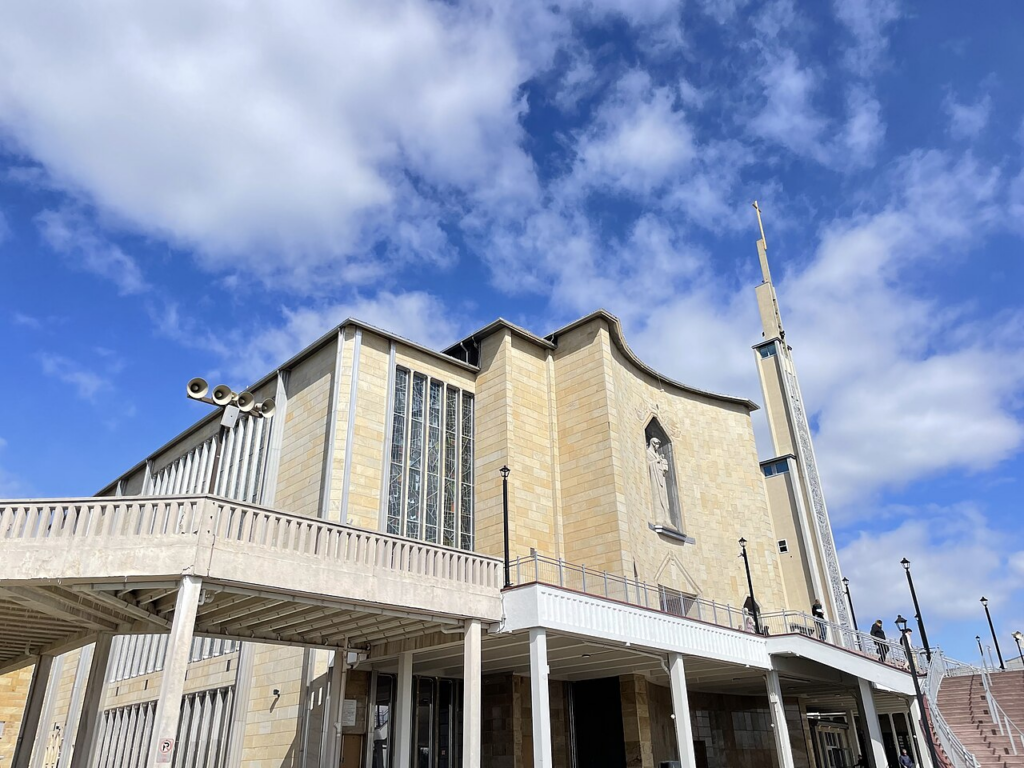
Poland is one of the most deeply Catholic nations in the world, and at its spiritual heart stands the Our Lady of Czestochowa Shrine, home of the miraculous Black Madonna icon. Located at the Jasna Góra Monastery, this sacred site welcomes millions of pilgrims every year seeking Mary’s protection, healing, and intercession. For U.S. Catholics—especially seniors, parish groups, and Marian devotees—Czestochowa offers an inspiring journey into centuries of faith, devotion, and resilience.
In this guide, you will discover the powerful story of Our Lady of Czestochowa, explore the shrine and its chapels, learn about major Polish pilgrimage sites such as the Divine Mercy Shrine in Krakow, and find travel tips to help you plan a comfortable, meaningful visit. Whether you are joining a parish pilgrimage or preparing a custom pilgrimage journey, a pilgrimage to Poland connects you with the roots of Marian devotion—and with a nation whose faith has shaped the Catholic world.
The Story of Our Lady of Czestochowa
The story of Our Lady of Czestochowa is one of the most beloved and enduring Marian traditions in the Catholic Church. For more than 600 years, pilgrims have traveled to the Jasna Góra Monastery to honor the miraculous image known as the Black Madonna, traditionally attributed to St. Luke the Evangelist¹. This sacred icon has accompanied the Polish people through wars, persecutions, and national rebirth, leading to her veneration under the title Queen of Poland.
Origins of the Icon
According to tradition, the icon was brought from Jerusalem to Constantinople and eventually to Poland in the 14th century². It was entrusted to the care of the Pauline Fathers at Jasna Góra, where devotion to the image began to flourish.
Miracles and Protection
The Black Madonna is associated with numerous miracles, the most famous occurring in 1655 during the Swedish invasion. When foreign forces surrounded the monastery, the small group of defenders prayed before the image, and against all odds, the shrine was preserved³. This event strengthened Poland’s identity as a nation under Mary’s protection.
The Scars on the Madonna’s Face
The Black Madonna bears two long scars on her right cheek, which, according to tradition, were inflicted during a robbery attempt in the 15th century⁴. Despite attempts to repair the icon, the scars reappeared despite restoration attempts—an enduring symbol of Mary’s solidarity with those who suffer.
Why “Black” Madonna?
The dark coloration comes from centuries of votive candles, incense, and centuries of candle smoke, incense, and age. Rather than diminishing the image, the darkened surface deepens its solemn beauty and spiritual symbolism.
A Devotion That Endures
The Black Madonna remains one of the most visited Marian images in the world. Her message of hope, courage, and divine protection continues to inspire millions of pilgrims every year—especially the ones seeking comfort, healing, or renewed trust in God.
The Our Lady of Czestochowa Shrine (Jasna Góra Monastery)
The Our Lady of Czestochowa Shrine, located within the Jasna Góra Monastery, is the spiritual heart of Poland. For centuries, this sacred place has been a refuge of prayer, healing, and national unity. Pilgrims from around the world come to venerate the Black Madonna, participate in powerful liturgies, and experience the deep Marian devotion that defines Polish Catholicism.
Chapel of the Black Madonna
At the center of the shrine is the Chapel of the Black Madonna, where the miraculous icon is displayed⁵. Pilgrims gather here throughout the day to pray the Rosary, light candles, and participate in the traditional unveiling and veiling ceremony, a centuries-old ritual that honors the sacredness of the image.
The chapel is intimate and deeply reverent, with seating available for pilgrims who need additional support.
The Basilicas and Sacred Spaces
The shrine complex includes several major spaces where pilgrims can pray and attend liturgies:
- Basilica of the Holy Cross – The main church for larger Masses, concerts, and solemn celebrations.
- Knight’s Hall – A historic chamber filled with votive offerings, military banners, and artifacts dedicated to Mary’s protection of Poland.
- Way of the Cross paths – Outdoor Stations of the Cross ideal for quiet reflection.
Treasury and Museums
The museum areas contain centuries of gifts, crowns, and votive offerings presented by kings, popes, and pilgrims. Many pilgrims find inspiration in the stories of miraculous healings and answered prayers displayed here⁶.
Role of the Pauline Fathers
The shrine is entrusted to the Order of Saint Paul the First Hermit (Pauline Fathers), who have cared for the sanctuary since the 14th century. Their prayerful presence and reverent liturgies help pilgrims enter deeply into the spirit of devotion at Jasna Góra.
Processions and Devotions
Daily devotions include:
- Holy Mass
- Confession
- Eucharistic Adoration
- Rosaries
- Litanies
- Special prayers to the Black Madonna
For parish groups and pilgrims, the shrine offers a peaceful, structured environment for prayer.
Other Major Pilgrimage Sites in Poland
A Catholic pilgrimage to Poland is rich with sacred history, Eucharistic devotion, and inspiring saints. Beyond the Our Lady of Czestochowa Shrine, pilgrims can visit several deeply meaningful sites connected to Divine Mercy, St. John Paul II, and centuries of faith. These destinations can be included in a full Poland pilgrimage or explored as day trips from Krakow or Warsaw.
Divine Mercy Shrine (Kraków–Łagiewniki)
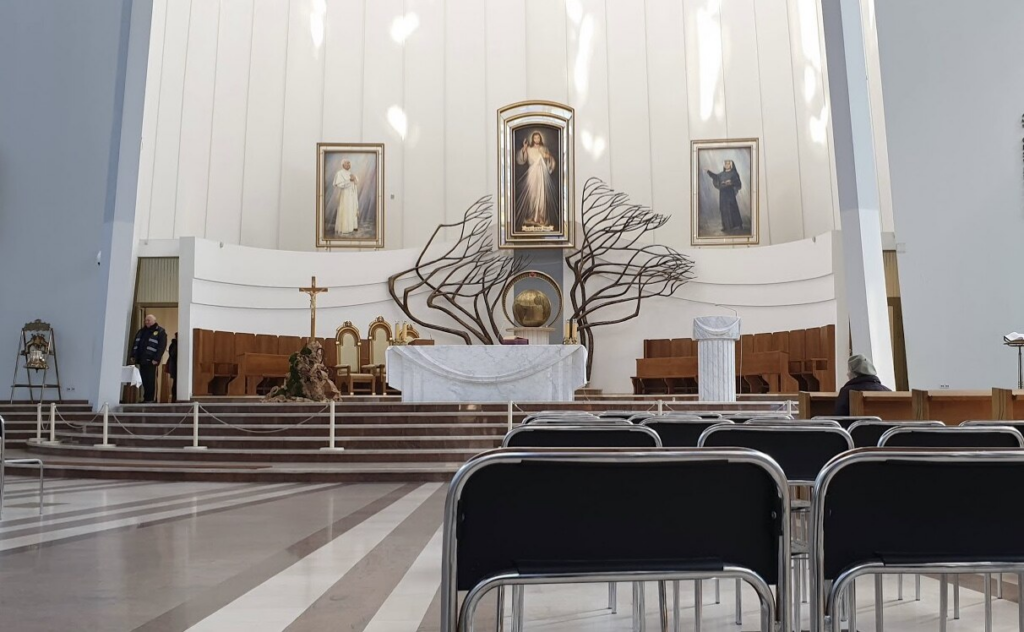
The Divine Mercy Shrine in Krakow is one of the most important spiritual sites in modern Catholicism. It was here that St. Faustina Kowalska received the messages of Divine Mercy from Christ, recorded in her diary⁷.
Pilgrims can visit:
- The Chapel of the Divine Mercy, where St. Faustina prayed
- The original Divine Mercy Image
- The tomb of St. Faustina
- The basilica dedicated by St. John Paul II
At 3:00 PM each day, pilgrims gather for the Hour of Mercy—a central devotion that many pilgrims find deeply comforting.
Sanctuary of St. John Paul II (Krakow)
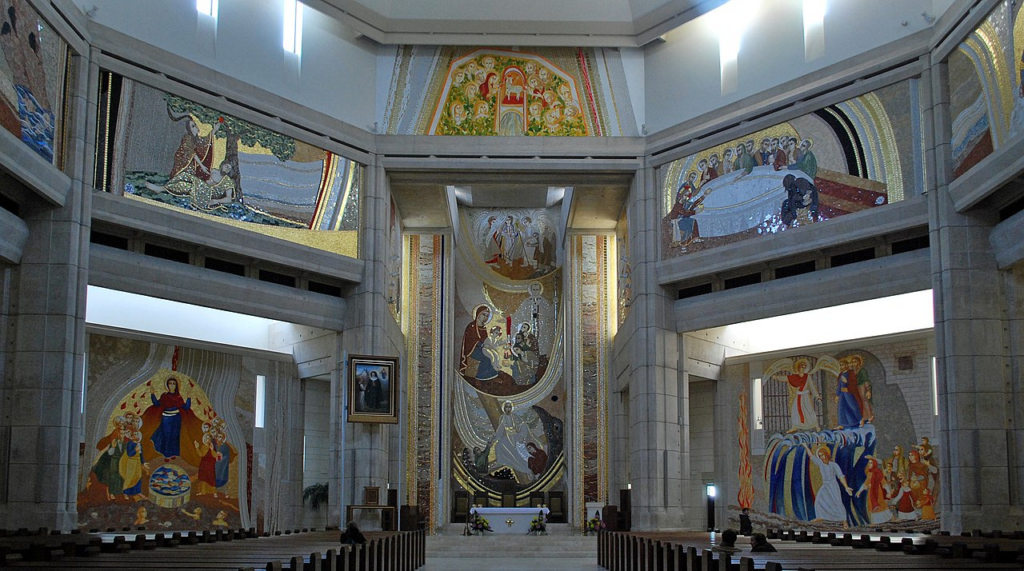
Located near the Divine Mercy Shrine, this sanctuary honors Poland’s beloved saint, St. John Paul II. Pilgrims can view:
- His relics
- Papal vestments
- The altar where he celebrated Mass
- A multimedia museum documenting his life and legacy⁸
This site is especially meaningful for American Catholics whose lives were shaped by St. John Paul II’s teachings and leadership.
Wawel Cathedral (Krakow)
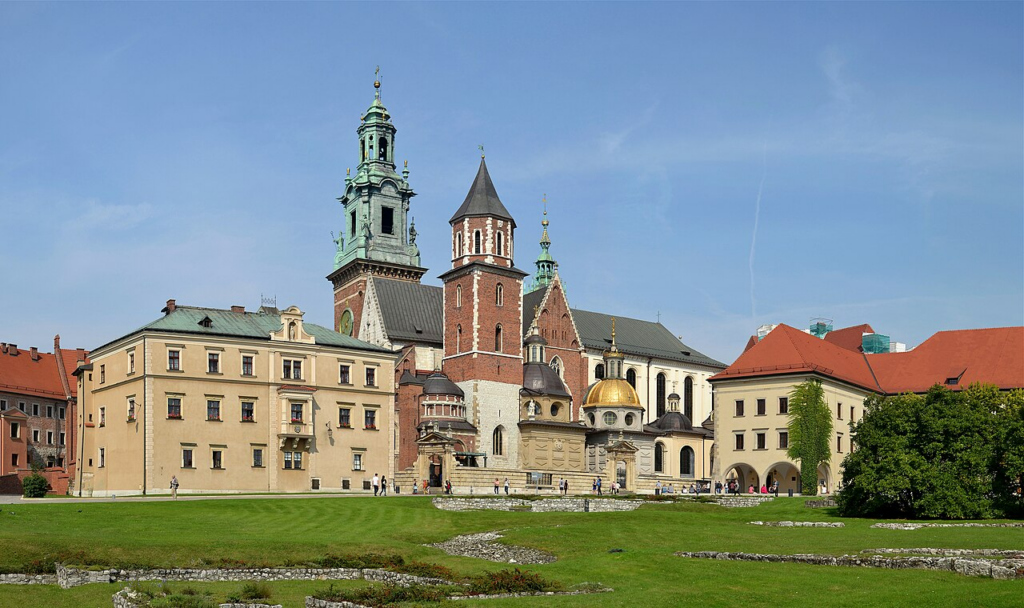
This historic cathedral—over 1,000 years old—is the burial site of Polish kings, bishops, and national heroes. Highlights include:
- The crypt of St. Stanislaus
- Side chapels filled with centuries of devotional art
- A stunning hilltop location overlooking Krakow¹⁷
Pilgrims appreciate the slower pace and the ability to explore the cathedral at leisure.
Niepokalanów (St. Maximilian Kolbe Monastery)
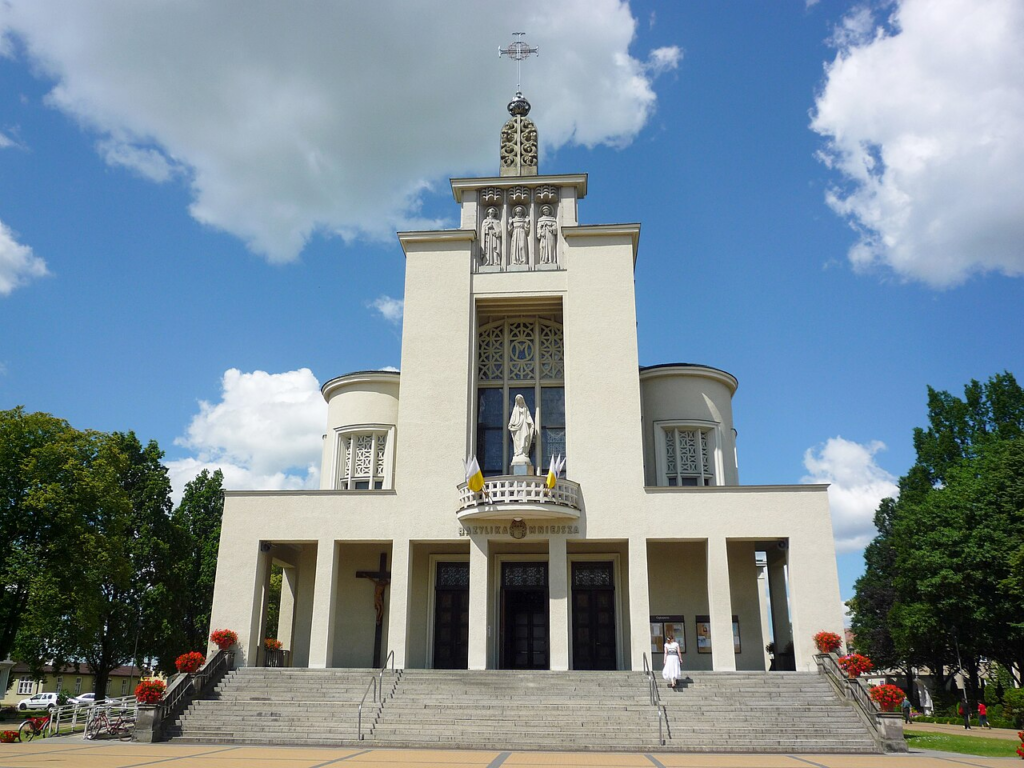
Founded by St. Maximilian Kolbe, this monastery is a powerful place of Marian devotion and Eucharistic prayer. Pilgrims visit the chapel where he prayed, as well as exhibits documenting his missionary work and martyrdom at Auschwitz⁹.
Kalwaria Zebrzydowska (Polish “Cavalry”)
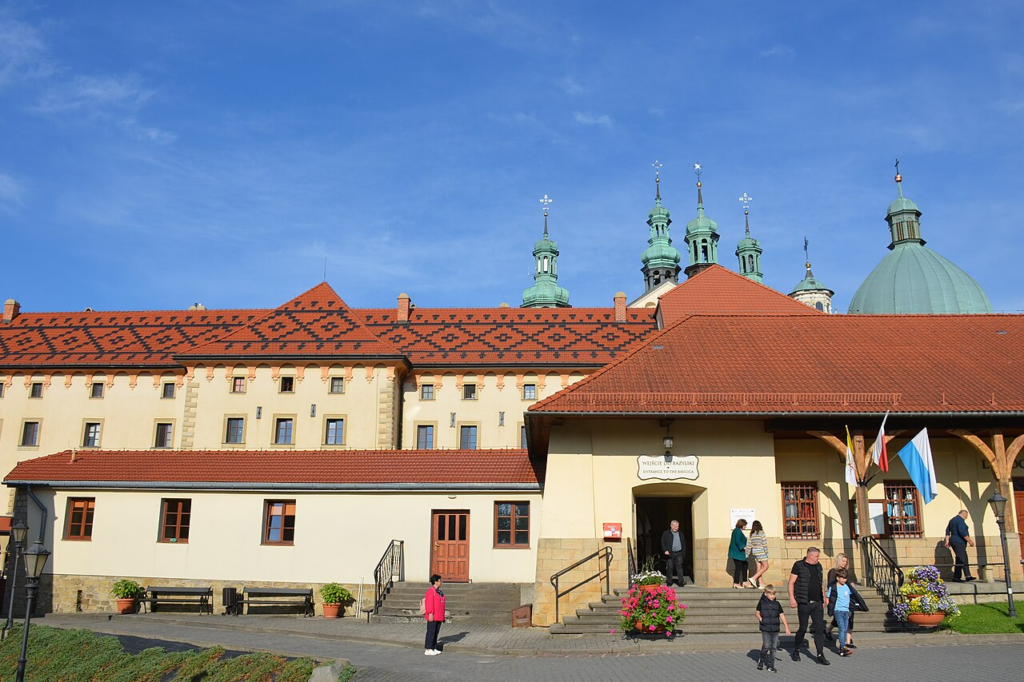
This UNESCO World Heritage site features chapels and walking paths representing the Passion of Christ¹⁰. Pilgrims can participate in traditional Polish “Calvary” devotions, especially during Holy Week. Pilgrims may prefer shorter walking routes, which are clearly marked.
The Spiritual Significance of a Poland Pilgrimage
A Poland pilgrimage offers something profoundly unique: a journey into a nation whose identity has been shaped by deep Marian devotion, heroic saints, and centuries of unwavering faith. For pilgrims, parish groups, and those seeking spiritual renewal, Poland provides a powerful encounter with God’s mercy, providence, and grace.
Mary as “Queen of Poland”
For over 600 years, the Polish people have turned to the Black Madonna as their protector, mother, and guide. Throughout wars, invasions, and national trials, they believed Mary—through the Our Lady of Czestochowa Shrine—kept their faith alive¹¹. This devotion continues today, making Czestochowa a place of hope and perseverance for pilgrims worldwide.
Walking in the Footsteps of Modern Saints
Poland is the homeland of several influential saints whose lives continue to inspire the global Church:
- St. John Paul II – Apostle of mercy and human dignity
- St. Faustina Kowalska – Messenger of Divine Mercy
- St. Maximilian Kolbe – Martyr of charity and Marian apostle
Visiting their shrines allows pilgrims to connect personally with their teachings, suffering, and holiness.
A Land of Mercy and Healing
Pilgrims often come with deep intentions and burdens. Poland offers:
- The Divine Mercy Chaplet prayed at the source of the devotion
- Opportunities for confession in multiple languages
- Eucharistic Adoration at major shrines
- Quiet gardens and chapels ideal for reflective prayer¹²
Many pilgrims testify to a renewed awareness of God’s mercy through the sacraments and prayer.
A Culture of Faith and Hospitality
Polish pilgrimage sites are designed with visitors in mind—especially older travelers. Gentle walking paths, accessible basilicas, friendly clergy, and prayerful environments create a calm and supportive experience. Pilgrims often feel not only welcomed, but spiritually embraced.
A Journey That Deepens Catholic Identity
Standing before the Black Madonna, praying at the tomb of St. Faustina, or attending Mass at the Sanctuary of St. John Paul II connects pilgrims deeply with the universal Church. A Poland pilgrimage strengthens faith, renews devotion, and inspires a deeper trust in Mary and Christ.
Travel Tips for Pilgrims
Poland is well suited for older pilgrims, with accessible shrines and reliable transportation. Its shrines are well-maintained, transportation is reliable, and most pilgrimage sites are designed with accessibility in mind. With a bit of planning, pilgrims can enjoy a peaceful, comfortable, and spiritually fulfilling journey.
Accessibility at Jasna Góra (Czestochowa)
The Our Lady of Czestochowa Shrine is highly accessible for older pilgrims. The shrine offers:
- Ramps and elevators in key areas
- Seating in the Chapel of the Black Madonna
- Accessible entry to the main basilica
- Smooth walking paths within the monastery grounds¹³
During busy times—such as the unveiling and veiling ceremonies—seniors may prefer arriving early to secure comfortable seating.
Getting Around Poland
Travel between Poland’s main pilgrimage cities is straightforward:
- Czestochowa to Krakow: approximately 2 hours by car or train
- Krakow to Warsaw: 2.5–3 hours by express train
- Czestochowa to Warsaw: around 2 hours by train
Taxis and rideshares are available in most cities, offering comfortable transport for pilgrims.
Weather Considerations
Poland’s climate can vary, so pilgrims should plan accordingly:
- Spring and fall are the most pleasant seasons
- Summer can be warm, especially in cities
- Winter is peaceful but cold—ideal for quiet prayer¹⁴
Pack layers, comfortable shoes, and a rain jacket or umbrella.
Crowds and Feast Days
The Feast of Our Lady of Czestochowa (August 26) and major Marian celebrations draw large crowds. Pilgrims who prefer quieter prayer may choose to visit a few days before or after major events.
Dress Code for Shrines
All shrines, basilicas, and chapels follow a modest dress code:
- Covered shoulders
- Knee-length garments
- No hats inside sacred spaces
Comfortable, supportive footwear is highly recommended.
Safety Tips
Poland is one of Europe’s safest countries. Still, pilgrims should:
- Keep valuables secure
- Use taxis for longer distances or after dark
- Stay close to the main shrine areas
- Carry essential medications and a small bottle of water¹⁵
Most pilgrimage sites have first-aid stations and staff available to assist older visitors.
Language & Mass Availability
Mass is available daily at Jasna Góra, and confessions are offered in multiple languages, including English. Many pilgrimage groups coordinate their own liturgies, which can be especially meaningful for travelers.
For help planning travel routes, accessibility needs, or group arrangements, feel free to contact a pilgrimage coordinator at info@qohtours.com or 800-213-4295.
Best Times to Visit Poland for Pilgrimage
Poland is a beautiful country year-round, but certain seasons and feast days offer a more comfortable and spiritually enriching experience. Choosing the right time can help you enjoy quieter prayer, gentler weather, and easier access to the Our Lady of Czestochowa Shrine and other holy sites.
Feast of Our Lady of Czestochowa — August 26
This is the most significant pilgrimage day at Jasna Góra. Tens of thousands gather to honor the Black Madonna with Masses, processions, and devotions¹⁶.
- Best for: pilgrims who enjoy vibrant celebrations.
- Not ideal for: seniors who prefer calm environments due to large crowds.
Divine Mercy Sunday — Second Sunday of Easter
At the Divine Mercy Shrine in Krakow, this feast draws enormous crowds from around the world. The celebrations include special liturgies, confessions, and the Hour of Mercy devotion¹⁷.
Spring (April–June)
Spring is one of the best times for a Catholic pilgrimage to Poland.
- Mild temperatures
- Blooming gardens
- Comfortable walking conditions
- Lighter crowds compared to summer
Pilgrims often choose this season for its calm and pleasant climate.
Autumn (September–October)
Another excellent season for older travelers. Poland’s autumn offers:
- Crisp, cool air
- Beautiful fall colors
- Fewer tourists
- Peaceful shrine visits
This is an ideal time for reflective prayer and slower-paced journeys.
Summer (July–August)
Summer is warm and lively, with many local pilgrimages and festivals.
- Longer days for sightseeing
- Outdoor devotions
- More tourist activity
However, seniors should prepare for heat and higher visitor numbers.
Winter (November–March)
Winter is the quietest pilgrimage season.
- Peaceful chapels
- Minimal crowds
- Beautiful Christmas liturgies
While cold, this season offers some of the most intimate prayer experiences at the Black Madonna icon¹⁸.
Suggested Poland Pilgrimage Itinerary
This itinerary is designed for parish groups who want a deeply spiritual yet comfortable journey through Poland’s most treasured Catholic sites. It blends quiet reflection, Marian devotion, Divine Mercy spirituality, and gentle pacing to ensure a meaningful Catholic pilgrimage to Poland.
Day 1: Jasna Góra Monastery & Black Madonna Icon — Częstochowa
Morning
- Begin your pilgrimage at the Our Lady of Czestochowa Shrine.
- Attend Mass or spend time in silent prayer before the Black Madonna.
- Witness (if scheduling allows) the traditional unveiling ceremony, when the icon is revealed for public veneration¹⁹.
Afternoon
- Explore the Chapel of the Black Madonna, the heart of the monastery.
- Visit the Basilica of the Holy Cross, ideal for pilgrims who prefer seated devotional spaces.
- Enjoy lunch in the nearby town center, where many cafés offer gentle walking access.
Evening
- Return for the veiling ceremony, or spend time in Eucharistic Adoration within the basilica chapels.
Day 2: Treasury, Museums & Way of the Cross
Morning
- Visit the monastery’s Treasury and museums, featuring centuries of votive offerings, crowns, and gifts from kings, popes, and pilgrims²⁰.
- These exhibits are accessible and inspiring.
Afternoon
- Walk a gentle section of the Way of the Cross paths outside the monastery grounds.
- Pilgrims can choose shorter, level paths that are easy to navigate.
- Spend time praying, resting, and taking in the peaceful atmosphere.
Evening
- Free time in Czestochowa for dinner and leisure.
- Optional group rosary or guided reflection.
Day 3: Divine Mercy Shrine — Kraków–Łagiewniki
Morning
- Travel to Krakow to the Divine Mercy Shrine, home of St. Faustina’s revelations.
- Visit the Chapel of the Divine Mercy, which contains the original Divine Mercy image and the tomb of St. Faustina²¹.
Afternoon
- Walk through the basilica complex dedicated by St. John Paul II.
- Join pilgrims at 3:00 PM for the Hour of Mercy, one of the most moving prayer moments in Poland.
Evening
- Return to your accommodation for dinner and rest.
Day 4: Sanctuary of St. John Paul II — Krakow
Morning
- Visit the Sanctuary of St. John Paul II, which honors the life and legacy of the beloved saint²².
- View papal relics, vestments, and the chapel containing the saint’s blood relic.
Afternoon
- Optional visit to Wawel Cathedral, the historic heart of Polish Catholicism.
- Pilgrims can explore at a gentle pace and enjoy ample seating inside the cathedral.
Evening
- Leisure time in Krakow’s Old Town, one of Europe’s most beautiful and accessible historic areas.
Day 5: Kalwaria Zebrzydowska or Niepokalanów
Option A — Kalwaria Zebrzydowska
- Visit Poland’s famous “Calvary,” a UNESCO site featuring chapels along scenic devotional paths²³.
- Pilgrims can choose shorter, easy walking routes.
Option B — Niepokalanów (St. Maximilian Kolbe’s Monastery)
- Explore the Marian shrine founded by St. Maximilian Kolbe.
- Visit the chapels, museum, and prayer gardens dedicated to his life and martyrdom²⁴.
For group arrangements, custom routing, or accessibility support, pilgrims may complete the QOH Pilgrimage Registration Form or reach the team directly for guidance.
Frequently Asked Questions
How many days do I need for a Poland pilgrimage?
Most pilgrims find 5–7 days ideal to visit the Our Lady of Czestochowa Shrine, the Divine Mercy Shrine, and major sites in Krakow and Warsaw²⁵. Pilgrims often appreciate an extra day for rest and reflection.
Is the Our Lady of Czestochowa Shrine accessible for seniors?
Yes. Jasna Góra offers ramps, elevators, seating areas, wide pathways, and accessible restrooms throughout the complex²⁶. Pilgrims can comfortably navigate the chapel, basilica, and museum areas.
When does the unveiling and veiling ceremony take place?
The miraculous icon of the Black Madonna is unveiled and veiled several times each day during scheduled devotions²⁷. Times may vary, so visitors should check with the monastery upon arrival.
Are English-language Masses available in Poland?
Yes. Many shrines—including Jasna Góra, the Divine Mercy Shrine, and the Sanctuary of St. John Paul II—offer English Masses or multilingual liturgies, especially during the pilgrimage season²⁸.
Is Poland safe for travelers?
Poland is one of Europe’s safest countries. Pilgrimage areas are well-patrolled and tourist-friendly. Pilgrims should still take normal precautions such as keeping valuables secure and using taxis in the evening²⁹.
How do I travel between Czestochowa, Krakow, and Warsaw?
Poland has an excellent rail network. High-speed or regional trains offer comfortable travel between major pilgrimage cities. For pilgrims, taxis and private transfers provide added convenience³⁰.
What should I wear when visiting shrines?
Modest clothing is required:
- Covered shoulders
- Knee-length garments
- No hats inside chapels
Supportive shoes are recommended for shrine grounds and the Stations of the Cross³¹.
Can I visit Auschwitz during a pilgrimage?
Yes, many pilgrims include a visit to Auschwitz as a moment of reflection on history and faith. Pilgrims should be aware that the site requires extended walking and limited seating.
Is Poland cold in winter?
Yes. Winter temperatures can be low, especially in December–February. However, many pilgrims find this season peaceful due to low crowds and quiet chapels³².
Conclusion
A pilgrimage to Poland offers a powerful encounter with Mary’s maternal love, Christ’s mercy, and the heroic faith of the saints. From venerating the Black Madonna at the Our Lady of Czestochowa Shrine to praying at the Divine Mercy Chapel and walking in the footsteps of St. John Paul II, every moment invites pilgrims into a deeper relationship with God. Poland’s shrines, monasteries, and sacred traditions create a peaceful, prayerful experience that resonates especially deeply with pilgrims seeking renewal and spiritual strength.
With its accessible pilgrimage sites, gentle walking routes, and warm hospitality, Poland is a welcoming destination for older travelers. Whether you’re traveling with a parish, family, or on your own, the journey offers time for reflection, healing, and devotion in a country where faith is lived with sincerity and passion.
If you would like help planning dates, transportation, travel-friendly itineraries, or custom group arrangements, assistance is available to help coordinate your pilgrimage. Contact us anytime at info@qohtours.com or 800-213-4295, or learn more about pilgrimage planning options on our Custom Pilgrimages page.
Begin planning your pilgrimage today with Queen of Heaven Tours.
Footnotes
- “History of the Icon of Our Lady of Czestochowa,” Jasna Góra Monastery,https://www.jasnagora.pl/en (accessed December 5, 2025).
- “Origins of the Black Madonna Icon,” Polish Catholic Bishops’ Conference, https://episkopat.pl/ (accessed December 5, 2025).
- “Miracle at Jasna Góra During the Swedish Invasion,” Polish Heritage Institute, https://www.polska.pl/ (accessed December 5, 2025).
- “Damage and Restoration Attempts of the Icon,” Jasna Góra Archives, https://www.jasnagora.pl/en (accessed December 5, 2025).
- “Chapel of the Black Madonna – Pilgrim Information,” Jasna Góra Monastery, https://www.jasnagora.pl/en (accessed December 5, 2025).
- “Treasury and Votive Offerings at Jasna Góra,” Polish National Museum of Religious Art, https://muzhp.pl/ (accessed December 5, 2025).
- “Divine Mercy Message and Devotion,” Sanctuary of Divine Mercy (Krakow-Łagiewniki), https://www.sanktuarium.faustyna.pl/ (accessed December 5, 2025).
- “St. John Paul II Center – History and Relics,” Saint John Paul II Sanctuary, https://www.johnpaul2center.org/ (accessed December 5, 2025).
- “Niepokalanów – Monastery of St. Maximilian Kolbe,” Niepokalanów Basilica, https://www.niepokalanow.pl/ (accessed December 5, 2025).
- “Kalwaria Zebrzydowska – UNESCO Site,” UNESCO World Heritage Centre, https://whc.unesco.org/ (accessed December 5, 2025).
- “Mary as Queen of Poland – Historical Recognition,” Catholic News Agency, https://www.catholicnewsagency.com/ (accessed December 5, 2025).
- “Eucharistic and Devotional Life in Polish Shrines,” Polish Catholic Bishops’ Conference, https://episkopat.pl/ (accessed December 5, 2025).
- “Accessibility at Jasna Góra for Pilgrims,” Jasna Góra Visitor Office, https://www.jasnagora.pl/en (accessed December 5, 2025).
- “Best Seasons for Travel in Poland,” Poland Travel (Official Government Tourism), https://www.poland.travel/en (accessed December 5, 2025).
- “Safety and Travel Advisory – Poland,” U.S. Embassy in Poland, https://pl.usembassy.gov/ (accessed December 5, 2025).
- “Feast of Our Lady of Czestochowa – August 26,” Polish Catholic Bishops’ Conference, https://episkopat.pl/ (accessed December 5, 2025).
- “Divine Mercy Sunday Celebrations,” Sanctuary of Divine Mercy, https://www.sanktuarium.faustyna.pl/ (accessed December 5, 2025).
- “Winter Pilgrimage Recommendations in Poland,” Poland Travel, https://www.poland.travel/en (accessed December 5, 2025).
- “Unveiling and Veiling Ceremonies at Jasna Góra,” Jasna Góra Monastery, https://www.jasnagora.pl/en (accessed December 5, 2025).
- “Treasures and Royal Gifts at Jasna Góra,” National Museum of Krakow, https://mnk.pl/ (accessed December 5, 2025).
- “Tomb of St. Faustina and Divine Mercy Image,” Sanctuary of Divine Mercy, https://www.sanktuarium.faustyna.pl/ (accessed December 5, 2025).
- “Sanctuary of St. John Paul II – Pilgrim Information,” Saint John Paul II Sanctuary, https://www.johnpaul2center.org/ (accessed December 5, 2025).
- “Kalwaria Zebrzydowska Pilgrimage Paths,” UNESCO World Heritage Centre, https://whc.unesco.org/ (accessed December 5, 2025).
- “Life and Martyrdom of St. Maximilian Kolbe,” Niepokalanów Basilica, https://www.niepokalanow.pl/ (accessed December 5, 2025).
- “Recommended Duration for Polish Pilgrimages,” Catholic News Agency, https://www.catholicnewsagency.com/ (accessed December 5, 2025).
- “Pilgrim Mobility and Accessibility in Polish Shrines,” Poland Travel, https://www.poland.travel/en (accessed December 5, 2025).
- “Liturgical Schedule and Icon Ceremonies,” Jasna Góra Visitor Office, https://www.jasnagora.pl/en (accessed December 5, 2025).
- “English Masses in Major Polish Shrines,” Polish Catholic Bishops’ Conference, https://episkopat.pl/ (accessed December 5, 2025).
- “Safety Guidance for Senior Travelers,” U.S. Embassy Poland, https://pl.usembassy.gov/ (accessed December 5, 2025).
- “Rail and Transportation Network in Poland,” PKP Intercity (National Rail), https://www.intercity.pl/en/ (accessed December 5, 2025).
- “Dress and Etiquette for Religious Sites,” Catholic News Agency, https://www.catholicnewsagency.com/ (accessed December 5, 2025).
- “Winter Travel Conditions in Poland,” Poland Travel, https://www.poland.travel/en (accessed December 5, 2025).
Bibliography
Catholic News Agency. Czestochowa, Marian Devotions, and Pilgrimage Guidance.
Accessed December 5, 2025. https://www.catholicnewsagency.com/.
Jasna Góra Monastery. Official Pilgrim Guide, History, and Devotions.
Accessed December 5, 2025. https://www.jasnagora.pl/en.
Niepokalanów Basilica. St. Maximilian Kolbe – Shrine Information.
Accessed December 5, 2025. https://www.niepokalanow.pl/.
PKP Intercity. Polish National Rail Transportation Schedules and Accessibility.
Accessed December 5, 2025. https://www.intercity.pl/en/.
Poland Travel (Official Government Tourism Board). Travel Seasons, Safety, and Pilgrim Resources.
Accessed December 5, 2025. https://www.poland.travel/en.
Polish Catholic Bishops’ Conference. Marian Devotion, Feast Days, and Pilgrimage Resources.
Accessed December 5, 2025. https://episkopat.pl/.
Sanctuary of Divine Mercy (Krakow–Łagiewniki). History, Liturgies, and Pilgrim Information.
Accessed December 5, 2025. https://www.sanktuarium.faustyna.pl/.
Saint John Paul II Sanctuary. Pilgrim Information and Relic Sites.
Accessed December 5, 2025. https://www.johnpaul2center.org/.
UNESCO World Heritage Centre. Kalwaria Zebrzydowska – Cultural Landscape and Devotional Paths.
Accessed December 5, 2025. https://whc.unesco.org/.
U.S. Embassy Poland. Senior Travel and Safety Guidelines.
Accessed December 5, 2025. https://pl.usembassy.gov/.