
Spain Pilgrimage — A Complete Catholic Guide to Sacred Shrines & Saints

Spain is one of the richest Catholic pilgrimage destinations in the world, home to extraordinary saints, Marian apparitions, ancient monasteries, and some of the most beautiful basilicas in Europe. From the mystical writings of St. Teresa of Avila to the Marian devotion of Our Lady of the Pillar and the powerful spirituality of St. Ignatius of Loyola, Spain offers a deeply prayerful and culturally vibrant pilgrimage experience.
For U.S. Catholics—especially seniors and parish groups—a Spain pilgrimage provides a peaceful blend of faith, history, and reflection. The country’s accessible shrines, welcoming monasteries, and stunning landscapes make it an ideal destination for spiritual renewal. Whether you plan to travel with a group or prepare a pilgrimage according to your spiritual needs, Spain invites you to walk in the footsteps of saints, deepen your prayer life, and discover the beauty of Catholic tradition.
The Spiritual Heritage of Catholic Spain
Spain has played a central role in shaping the Catholic Church’s spiritual, theological, and devotional life for more than a thousand years. From early monastic movements to the Golden Age of mysticism, the country has been home to saints, scholars, missionaries, and visionaries whose influence continues to guide Catholics around the world¹. For pilgrims seeking a gentle pace and deep reflection, Spain offers a unique opportunity to explore the roots of Christian spirituality in a setting that is peaceful, beautiful, and rich with tradition.
Early Catholic Foundations
Christianity reached the Iberian Peninsula in the earliest centuries of the Church. Ancient communities flourished under Roman rule, and by the Middle Ages, Spain had developed a vibrant Catholic identity marked by monasteries, bishops, and pilgrimage routes. Throughout its history, the country has remained a stronghold of Eucharistic devotion, Marian piety, and missionary zeal².
A Land of Saints and Mystics
Spain is renowned for its mystical heritage, shaped by two Doctors of the Church:
- St. Teresa of Avila, known for her wisdom, reform of the Carmelite Order, and profound writings on prayer and union with God
- St. John of the Cross, celebrated for his poetic works and teachings on the spiritual journey
Together, they created one of the world’s most influential traditions of contemplative spirituality³.
Marian Devotion Across Spain
Spain’s love for the Blessed Virgin Mary is evident in its many shrines and traditions, including:
- Our Lady of the Pillar in Zaragoza
- Our Lady of Montserrat near Barcelona
- Regional Marian devotions dating back centuries
These shrines remain important places of prayer, healing, and cultural identity.
Influence on the Global Church
Spanish saints such as St. Ignatius of Loyola, St. Isidore, St. Vincent Ferrer, and St. Dominic profoundly shaped Church doctrine, missionary work, and religious life. A Catholic pilgrimage to Spain allows travelers to encounter these spiritual giants in the places where they lived, prayed, and encountered God.
Spain remains a land where faith and culture intertwine—offering a sacred journey for pilgrims seeking inspiration, depth, and renewed devotion.
Key Pilgrimage Sites in Spain
Spain is filled with sacred destinations that have shaped the Church and continue to draw pilgrims from around the world. These sites offer opportunities for deep prayer, historical reflection, and encounters with saints whose lives continue to inspire Catholics today. For pilgrims, each location provides accessible spaces, peaceful chapels, and gentle walking routes that make travel spiritually rich and manageable.
Avila — St. Teresa of Avila Pilgrimage
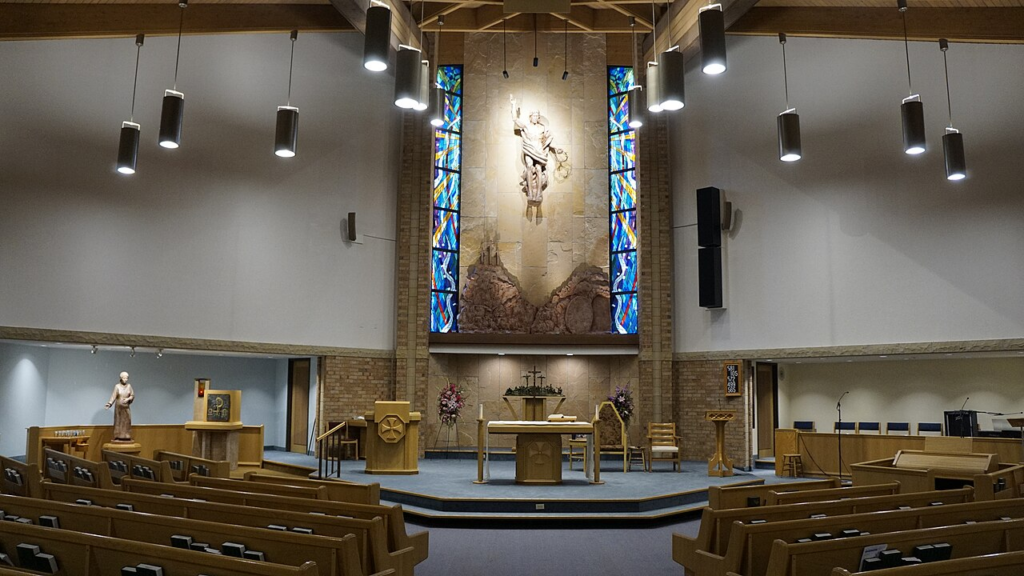
Avila is the birthplace of St. Teresa of Avila, one of the Church’s most beloved mystics and a Doctor of the Church. A St. Teresa of Avila pilgrimage allows visitors to explore the places where she prayed, wrote, and reformed the Carmelite Order⁴.
Essential pilgrimage sites include:
- Convent of St. Teresa, built over her childhood home
- Monastery of the Incarnation, where she received visions of Christ and began her reform
- The Room of St. Teresa, preserved as a place of devotion
- Churches with her relics and personal artifacts
The quiet, walled city is ideal for contemplation and slow-paced exploration.
Segovia — St. John of the Cross
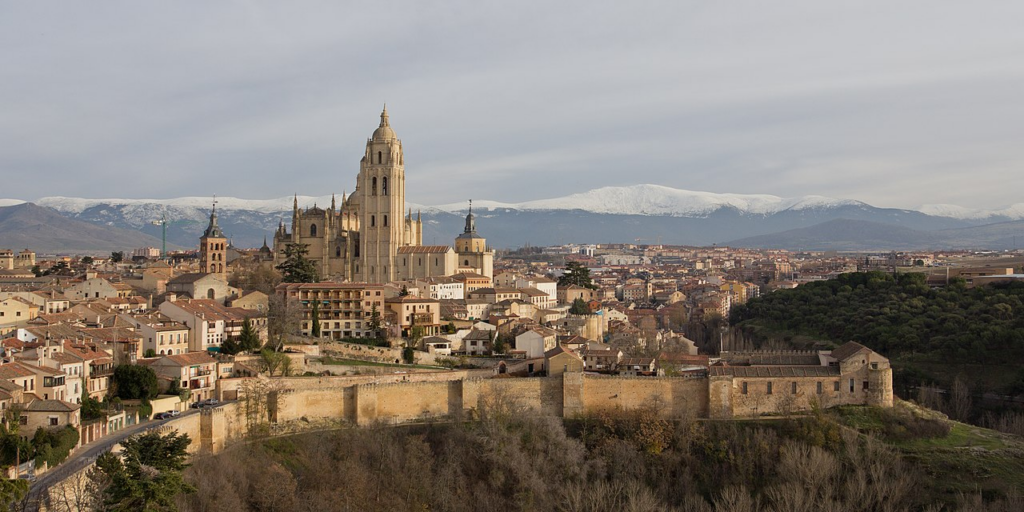
Just a short drive from Avila, Segovia is home to the tomb of St. John of the Cross, co-reformer of the Carmelites and another Doctor of the Church. Pilgrims can visit:
- His tomb at the Discalced Carmelite monastery⁵
- Chapels where he preached and wrote his mystical poetry
- Scenic walking paths used for prayer and reflection
Segovia’s gentle hills and well-marked pilgrimage paths make it accessible for travelers.
Loyola — St. Ignatius of Loyola
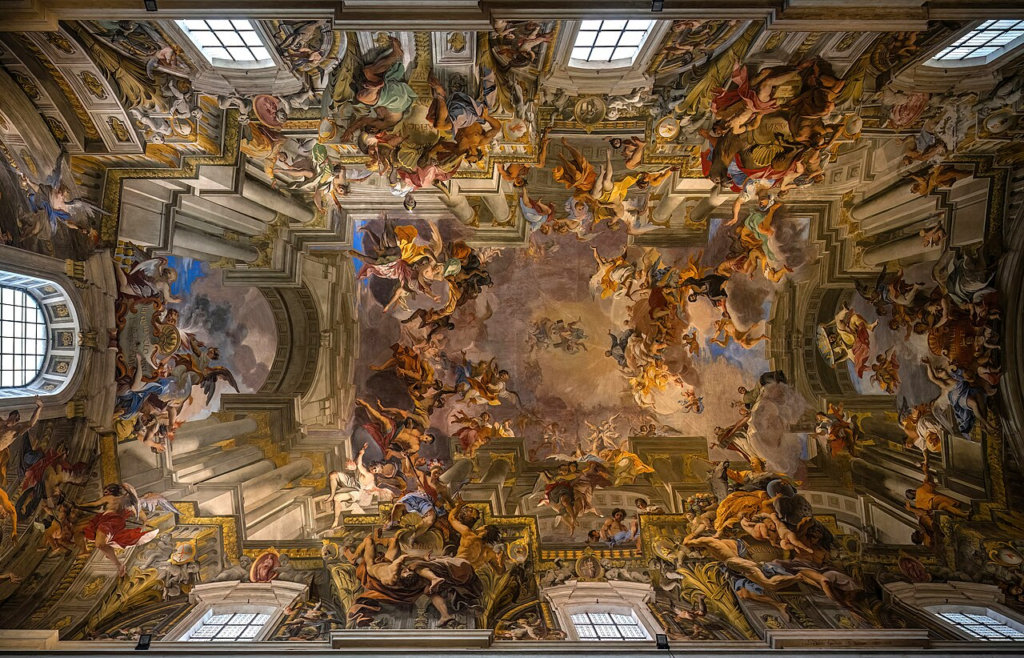
The northern Basque region is the birthplace of St. Ignatius, founder of the Jesuits and author of the Spiritual Exercises. Loyola is one of the most important stops on a Spain Catholic pilgrimage⁶.
Key sites include:
- The Castle of Loyola, his family home
- The Conversion Chapel, where he experienced his profound transformation
- Basilica of St. Ignatius, a grand sanctuary surrounded by peaceful gardens
- Museums dedicated to Ignatian spirituality
This location is especially meaningful for pilgrims interested in discernment and retreat-style prayer.
Zaragoza — Our Lady of the Pillar
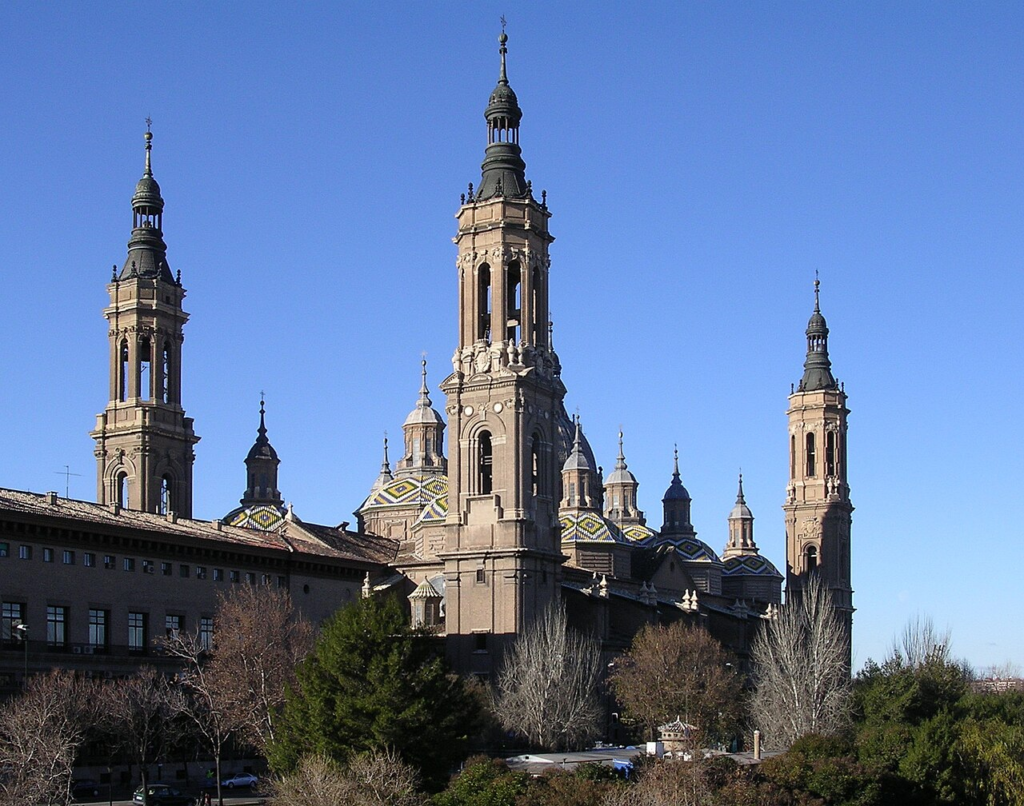
The Basilica of Our Lady of the Pillar is one of the oldest Marian devotion sites in the world. According to ancient tradition, the Virgin Mary appeared to the Apostle St. James on a pillar of jasper stone⁷. Pilgrims visit to:
- Pray before the miraculous pillar
- Attend Mass in the baroque basilica
- Explore chapels dedicated to St. James and Spanish Marian devotion
It remains an essential stop for any Catholic pilgrimage to Spain.
Montserrat — Our Lady of Montserrat
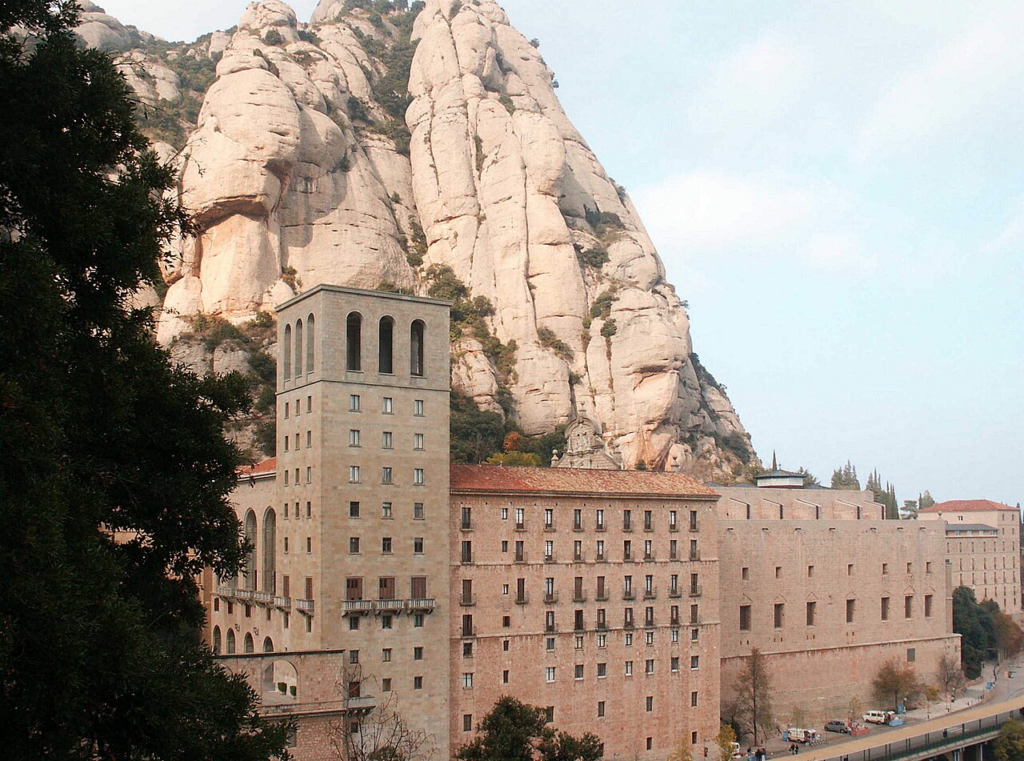
Nestled in the mountains near Barcelona, Montserrat is home to the Black Madonna of Catalonia, another deeply venerated Marian icon. Pilgrims come for:
- Prayer before the Black Madonna statue
- Benedictine chanting by the Montserrat boys’ choir
- Accessible prayer paths with panoramic views⁸
Montserrat is peaceful and scenic, offering cable-car and funicular options for those who wish to avoid steep climbs.
Other Important Catholic Pilgrimage Sites in Spain
Beyond its famous saints and Marian shrines, Spain is home to many additional Catholic sites that enrich a pilgrimage with history, culture, and profound prayer. These destinations can be added to a longer route or visited as peaceful day trips. Each offers sacred art, liturgies, and well-preserved spaces that are especially meaningful—and accessible—for pilgrims.
Santiago de Compostela — Cathedral of St. James
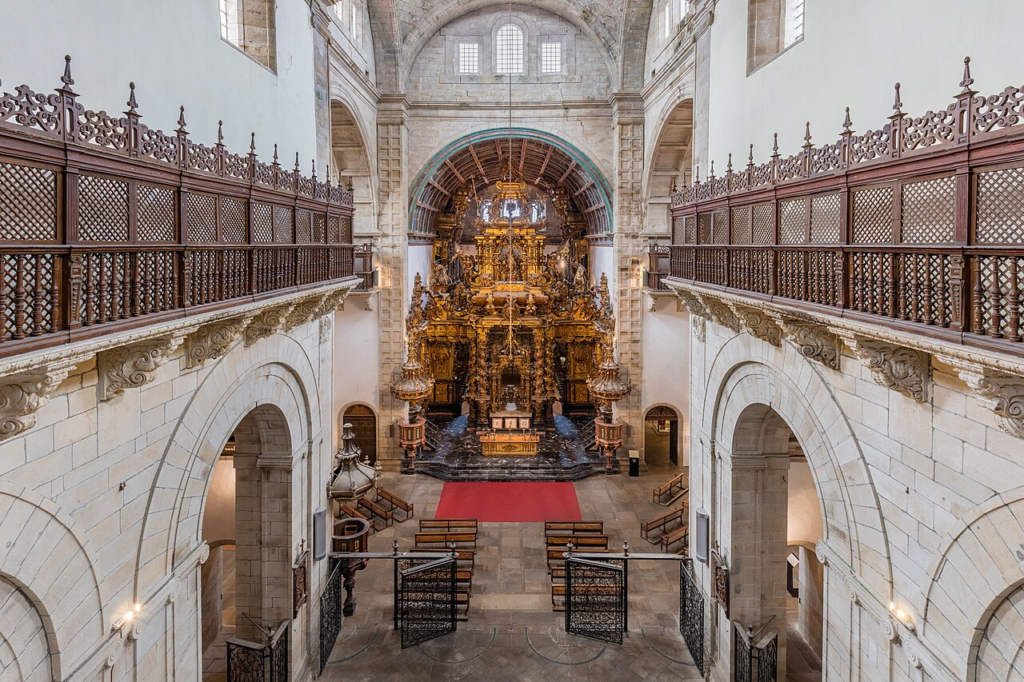
One of the most important pilgrimage destinations in the world, Santiago de Compostela is the endpoint of the ancient Camino de Santiago. While many pilgrims complete portions of the Camino on foot, pilgrims often visit by train or bus and still experience the spiritual heart of the journey.
Highlights include:
- Cathedral of St. James, believed to house the apostle’s remains⁹
- The Botafumeiro, one of the world’s largest incense censers
- The Pilgrim Mass, celebrated daily
- The historic Old Town, a UNESCO site with gentle walking areas
Toledo Cathedral
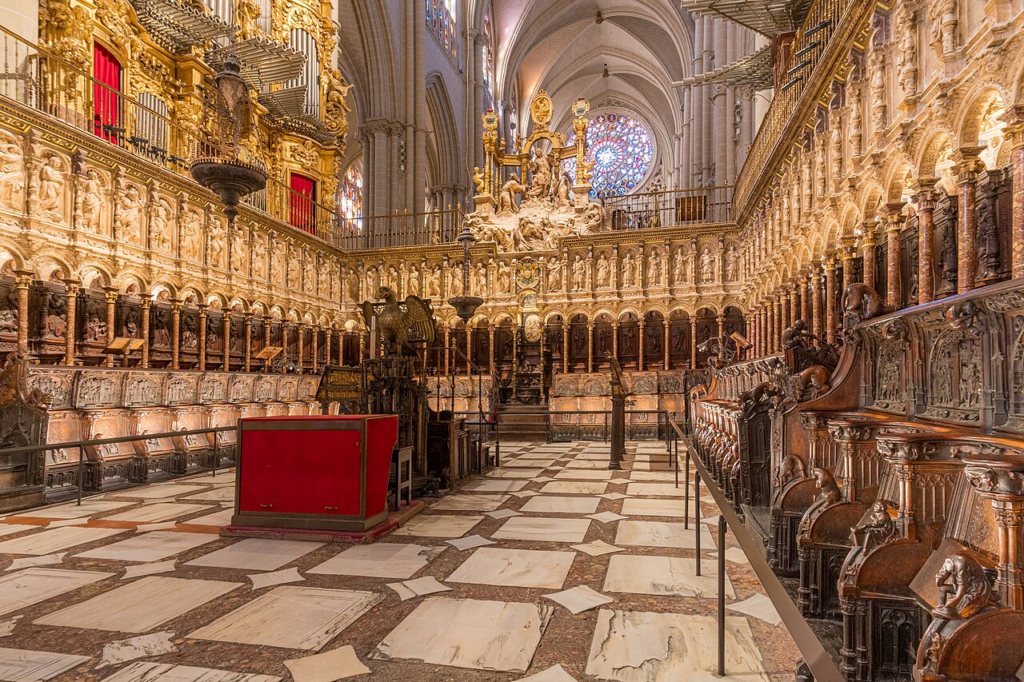
The Cathedral of Toledo is one of Spain’s most magnificent Gothic structures. It contains:
- A richly decorated Eucharistic chapel
- Masterpieces by El Greco
- Stunning altarpieces and chapels¹⁰
The cathedral is well-lit, spacious, and equipped with seating—ideal for pilgrims.
Valencia — Holy Chalice Chapel
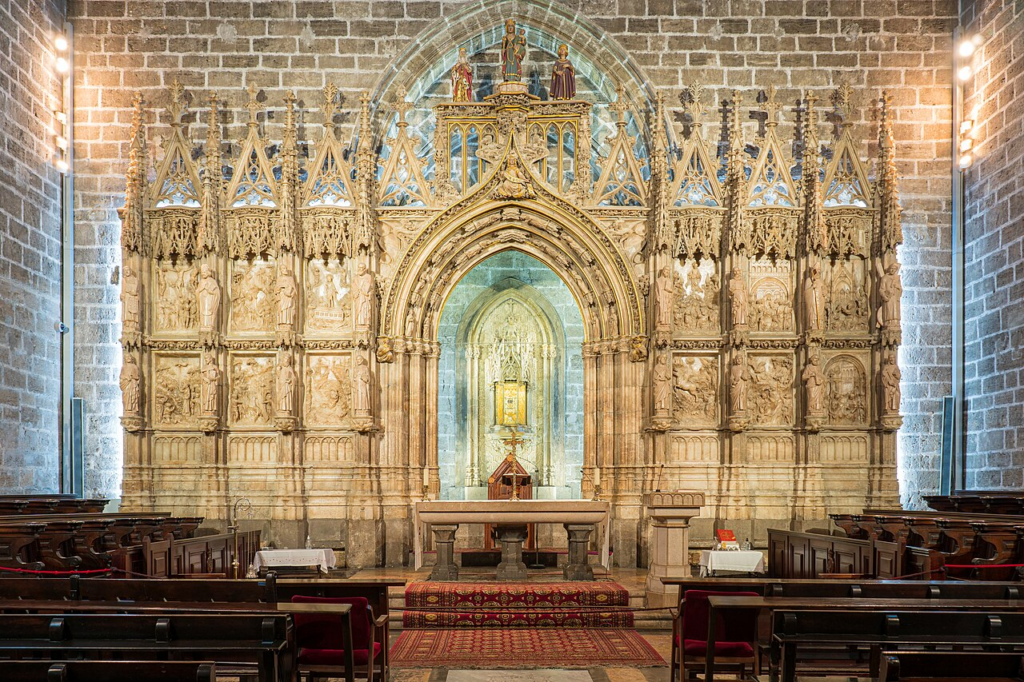
The Holy Chalice Chapel in Valencia’s cathedral houses a revered cup that tradition identifies as the Holy Grail¹¹. Pilgrims visit to:
- Pray in the small, intimate chapel
- Attend Mass celebrated close to the chalice
- Explore the cathedral’s sacred art
This site offers a unique connection to the Last Supper devotion.
Barcelona Cathedral
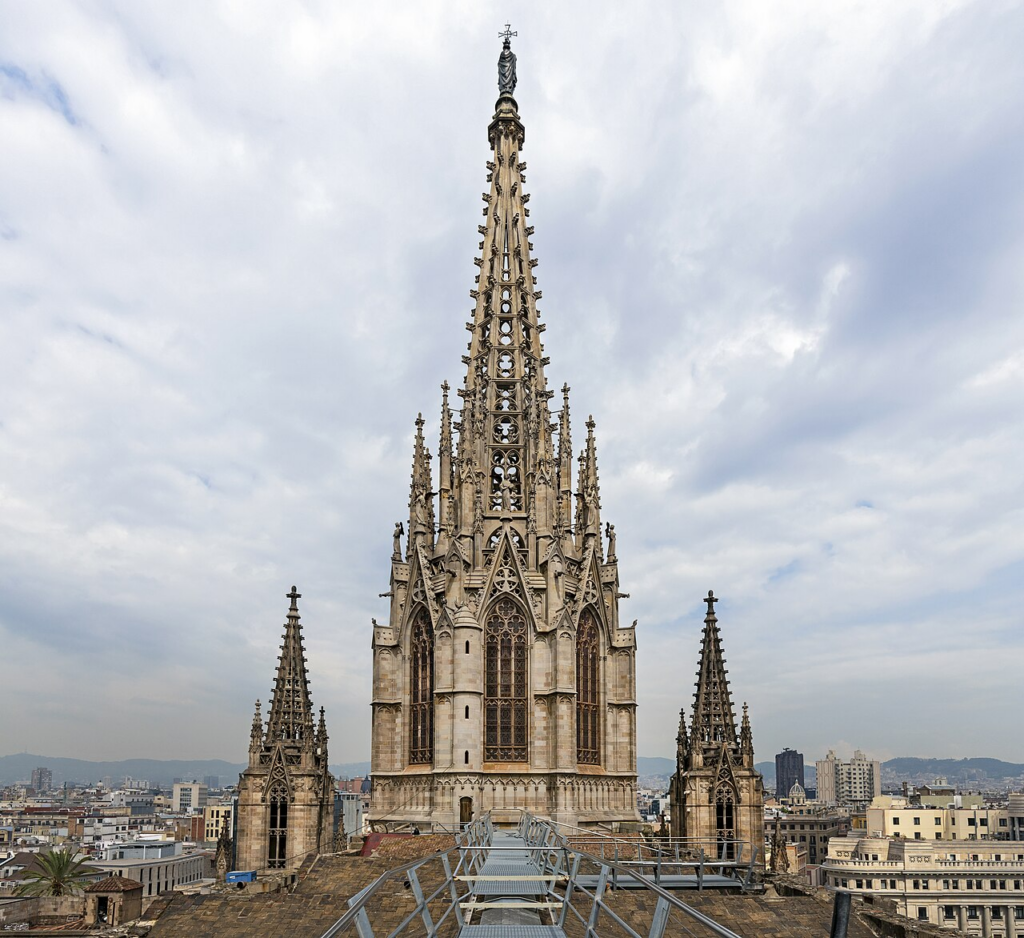
Located in the historic Gothic Quarter, Barcelona Cathedral honors St. Eulalia and offers peaceful cloisters filled with fountains, greenery, and benches. Pilgrims appreciate the calm environment in the midst of a busy city.
Other Notable Sites
- Burgos Cathedral — A masterpiece of Gothic architecture
- Seville Cathedral — One of the largest cathedrals in the world
- Granada’s Carthusian Monastery — A hidden gem of Baroque spirituality
Each of these sites adds depth and richness to Catholic pilgrimages to Spain, offering opportunities for prayer, reflection, and gentle exploration.
The Spiritual Significance of a Spain Pilgrimage
A Spanish pilgrimage offers an experience of profound spiritual depth. From the mystical writings of St. Teresa of Avila to the Marian devotion of Montserrat and Zaragoza, Spain invites pilgrims to encounter Christ through beauty, silence, and centuries of faith. For pilgrims, the country provides an atmosphere of peace, reflection, and gentle prayer—ideal for deepening one’s relationship with God.
A Land Formed by Saints and Mystics
Spain is home to some of the Church’s most influential saints:
- St. Teresa of Avila, whose teachings on prayer and interior union continue to guide the faithful¹²
- St. John of the Cross, known for his wisdom on detachment and spiritual growth
- St. Ignatius of Loyola, whose Spiritual Exercises transformed Christian discernment and retreat spirituality
Visiting their homes, chapels, and monasteries allows pilgrims to walk in the footsteps of these holy men and women.
Marian Devotion Rooted in Tradition
Spain’s Marian shrines have shaped Catholic devotion for centuries. Whether standing before the Black Madonna of Montserrat or praying at the pillar in Zaragoza, pilgrims discover Mary’s presence in places long cherished by Christians¹³. These sites offer moments of consolation, protection, and renewed trust in God’s will.
Sacred Places of Conversion and Healing
Many pilgrims come to Spain seeking spiritual clarity, repentance, or deeper union with Godl. The country’s shrines are designed to support deep prayer, offering:
- Adoration chapels
- Confession in multiple languages
- Candle-lighting areas
- Quiet gardens and cloisters
Pilgrims especially value the gentle environment, accessible spaces, and opportunities for slow, reflective prayer.
A Journey That Strengthens Faith
A Catholic pilgrimage to Spain is more than visiting holy places—it is a path to rediscovering the heart of Catholic spirituality. Spain’s sacred sites help pilgrims reconnect with:
- Simplicity of prayer
- Devotion to Mary
- The wisdom of the saints
- The unity of the Church across centuries
Pilgrims often leave Spain with a renewed sense of peace, gratitude, and conviction in God’s guidance.
Travel Tips for Pilgrims
Spain is well-suited to older pilgrims, offering accessible shrines, well-connected transportation, and peaceful spaces for prayer. With thoughtful planning, pilgrims can enjoy a comfortable and spiritually rich Spain pilgrimage at a gentle, enjoyable pace.
Accessibility at Major Shrines
Most major pilgrimage sites—Avila, Montserrat, Zaragoza, Santiago, and Loyola—offer features that support travelers¹⁴:
- Ramps and elevators
- Accessible chapels
- Seating throughout the basilicas
- Clearly marked paths and resting areas
Montserrat even provides funiculars and cable cars for pilgrims who prefer to avoid steep climbs.
Navigating Spain Comfortably
Spain’s cities are walkable, but some areas—like Avila’s old walls or Toledo’s historic streets—have cobblestones or slopes. Pilgrims are encouraged to:
- Wear supportive walking shoes
- Take their time on uneven streets
- Use taxis, metros, or rideshares for longer distances
- Plan visits earlier in the day to avoid heat and crowds
Spain’s public transportation is clean, safe, and travel-friendly.
Weather Considerations
Spain’s climate varies by region, so planning around seasons is important:
- Spring (April–June): mild, ideal weather
- Autumn (September–October): cool, comfortable, fewer crowds
- Summer (July–August): hot, especially in central Spain
- Winter (November–February): calm but colder, perfect for quiet chapel time¹⁵
Pilgrims should keep hats, water, and light layers handy during warm months.
Safety Tips
Spain is one of Europe’s safest countries for travelers, but basic precautions are helpful:
- Keep important items secured
- Use taxis at night instead of long walks
- Stay near main shrine areas
- Carry essential medications and a small water bottle¹⁶
- Keep a copy of passport and travel documents separate from originals
Pilgrimage zones are well-maintained and monitored.
Masses, Confessions & Languages
Most major shrines offer:
- Daily Mass
- Adoration
- Confessions in multiple languages, including English
- Senior seating during liturgies
Pilgrims traveling with a group often benefit from private Mass arrangements, which can be especially meaningful.
Rest Areas & Senior-Friendly Spaces
Spain’s pilgrimage sites include:
- Quiet courtyards
- Shaded cloisters
- Cafés with easy access
- Benches inside and outside the shrines
- Well-kept bathrooms
- Clearly marked visitor centers
These make it easy to rest between prayer stops or during longer shrines visits.
For help planning travel routes, accessibility needs, or scheduling Mass at Spanish sites, contact info@qohtours.com or 800-213-4295.
Best Times to Visit Spain for Pilgrimage
Spain is a year-round pilgrimage destination, but certain seasons and feast days offer a more peaceful, comfortable, and spiritually rich experience. Choosing the right time can help you enjoy cooler weather, lighter crowds, and easier access to shrines and monasteries.
Spring (April–June)
Spring is one of the best seasons for a Spain pilgrimage. Pilgrims enjoy:
- Mild temperatures
- Clear skies
- Blooming landscapes
- Comfortable walking conditions
Shrines like Avila, Montserrat, and Zaragoza are beautifully peaceful during weekday mornings¹⁷.
Semana Santa (Holy Week)
Spain’s Holy Week celebrations are world-famous. Cities like Seville, Málaga, and Valladolid host deeply reverent processions with:
- Life-size Passion statues
- Candlelit night processions
- Sacred music
However, the crowds can be intense. Seniors may prefer smaller towns or visiting before or after the major events.
Autumn (September–October)
Autumn is another ideal season for Catholic pilgrimages to Spain.
Expect:
- Cool, crisp air
- Golden landscapes
- Fewer tourists
- Calm shrines and monasteries
Many pilgrims consider this an ideal time to visit.
Summer (July–August)
Summer brings long days and lively festivals, but temperatures—especially in central Spain—can be hot. Pilgrims traveling in summer should:
- Schedule shrine visits early in the morning
- Stay hydrated
- Rest indoors during midday heat¹⁸
Coastal areas and northern Spain (like Loyola) remain more comfortable.
Winter (November–February)
Winter is the quietest pilgrimage season. Benefits include:
- Nearly empty shrines
- Peaceful basilicas for private prayer
- Beautiful Advent and Christmas liturgies
Temperatures can be cool or cold, especially in Avila or Segovia, but the spiritual atmosphere is deeply moving¹⁹.
Feasts of Spanish Saints
Many pilgrims choose travel dates connected to beloved Spanish saints:
- October 15 — St. Teresa of Avila
- December 14 — St. John of the Cross
- July 31 — St. Ignatius of Loyola
- October 12 — Our Lady of the Pillar
These feasts include special liturgies, but seniors should expect larger crowds.
Suggested Spain Pilgrimage Itinerary
This itinerary is designed for seniors, parish groups, and Catholic travelers seeking a peaceful, well-paced, and spiritually meaningful Spain pilgrimage. It blends major saints, Marian shrines, and sacred sites while keeping travel distances manageable and each day balanced with prayer and rest.
Day 1: Avila — St. Teresa of Avila
Morning
- Begin at the Convent of St. Teresa, built over the home where the saint was born.
- Pray in the chapel dedicated to her childhood and early spiritual formation.
- Visit the small museum displaying her relics and personal items²⁰.
Afternoon
- Walk (or taxi) to the Monastery of the Incarnation, where St. Teresa spent nearly 30 years.
- Explore the Room of St. Teresa, preserved as a place of devotion.
- Enjoy lunch within Avila’s walled city, which is easy to navigate.
Evening
- Attend Mass at one of the Carmelite churches or stroll gently along the illuminated medieval walls.
Day 2: Segovia — St. John of the Cross
Morning
- Travel to Segovia to visit the tomb of St. John of the Cross.
- Spend time in the Discalced Carmelite monastery, where he wrote parts of his mystical works²¹.
- Pray in the quiet chapels surrounded by peaceful gardens.
Afternoon
- Visit Segovia Cathedral or enjoy the scenic views near the ancient aqueduct.
- Pilgrims can rest in shaded plazas before returning to their accommodations.
Evening
- Optional group rosary or spiritual reading based on the teachings of St. John of the Cross.
Day 3: Zaragoza — Our Lady of the Pillar
Morning
- Visit the Basilica of Our Lady of the Pillar, one of the oldest Marian devotion sites in Christendom²².
- Pray before the miraculous jasper pillar where Mary is traditionally believed to have appeared to St. James.
- Explore nearby chapels and the peaceful basilica courtyards.
Afternoon
- Take time to rest in Zaragoza’s historic center or enjoy the Ebro River promenade.
- Pilgrims will appreciate the basilica’s accessible entrances and numerous seating areas.
Evening
- Attend an evening liturgy or devotional service within the basilica.
Day 4: Montserrat — The Black Madonna
Morning
- Travel to Montserrat, the mountain monastery famous for its statue of the Black Madonna of Catalonia.
- Take the funicular or cable car to reach shrine areas without steep climbs²³.
- Pray before the beloved Marian statue in its ornate chapel.
Afternoon
- Listen to the boys’ choir (Escolania) if performing that day.
- Enjoy gentle walking paths with panoramic views.
- Spend time in the basilica or cloisters in quiet reflection.
Evening
- Return to Barcelona for a restful evening near the coast or in a quiet neighborhood.
Day 5: Loyola — St. Ignatius of Loyola
Morning
- Visit the Castle of Loyola, birthplace of St. Ignatius.
- Spend time in the Conversion Chapel, where he made his decisive commitment to Christ²⁴.
- Explore the basilica and peaceful grounds surrounding the sanctuary.
Afternoon
- Visit the museum dedicated to Ignatian spirituality and early Jesuit history.
- Pilgrims can enjoy time in the sanctuary gardens or nearby cafés.
Evening
- Final group reflection or Mass before concluding your Spain Catholic pilgrimage.
- Pilgrims preparing for a guided trip may complete the QOH Pilgrimage Registration Form.
Frequently Asked Questions
How many days do I need for a Spain pilgrimage?
Most pilgrims find 5–7 days ideal to visit Avila, Segovia, Zaragoza, Montserrat, and Loyola²⁵. Seniors or parish groups may prefer an additional day for rest or slower-paced reflection.
Are the major pilgrimage sites in Spain accessible for seniors?
Yes. Most shrines provide:
- Ramps and elevators
- Priority seating during liturgies
- Accessible restrooms
- Gentle walking paths²⁶
Montserrat also offers funiculars and cable cars to avoid steep climbs.
Is Spain safe for Catholic pilgrims?
Spain is among Europe’s safest travel destinations. Pilgrimage areas are well-patrolled and visitor-friendly. Pilgrims should take standard precautions: secure valuables, avoid walking alone at night, and use taxis for longer distances²⁷.
Are English Masses available at Spanish shrines?
Yes. Major pilgrimage sites—including Avila, Santiago de Compostela, Montserrat, and Loyola—regularly offer English-language Masses or multilingual liturgies, especially during peak pilgrimage seasons²⁸.
Do I need to walk long distances?
Most shrines are compact and easy to navigate. While some historic cities have cobblestones or gentle hills, pilgrims can comfortably move between sites with taxis, trams, or short shuttle rides²⁹.
What is the dress code for shrines in Spain?
Catholic shrines require modest clothing, including:
- Covered shoulders
- Knee-length garments
- No hats inside churches
Comfortable walking shoes are highly recommended³⁰.
Is Spain too hot in summer?
Central Spain can be hot in July and August. Pilgrims visiting in summer should plan shrine visits early in the morning, rest indoors during midday heat, and stay hydrated³¹.
Can I visit Santiago de Compostela without walking the Camino?
Absolutely. Pilgrims can visit the Cathedral of St. James by train, bus, or car. Participating in the Pilgrim Mass and praying at the apostle’s tomb are meaningful even without completing the walking routes³².
Conclusion
A Spain pilgrimage is a journey through centuries of Catholic faith, filled with the wisdom of saints, the beauty of Marian devotion, and the peace of sacred mountains and monasteries. Whether you’re praying in the chapel of the Black Madonna of Montserrat, walking through the walled city of Avila, or standing before the miraculous pillar in Zaragoza, Spain offers a profoundly moving encounter with God’s presence.
For seniors and parish groups, Spain is especially inviting. The shrines are accessible, the pace is gentle, and the atmosphere supports quiet prayer, reflection, and spiritual renewal. Each pilgrimage stop—whether connected to St. Teresa, St. John of the Cross, St. Ignatius, or Mary’s ancient apparition—offers rich opportunities to deepen your faith and experience Catholic tradition in a fresh, life-giving way.
If you’re ready to plan your pilgrimage route, arrange group travel, or build an itinerary, our team is here to assist you every step of the way. Reach out anytime at info@qohtours.com or 800-213-4295, or learn more about pilgrimage planning options on our Custom Pilgrimages page.
Begin planning your pilgrimage today with Queen of Heaven Tours.
Footnotes
- “Christianity in Early Spain,” Consejo Superior de Investigaciones Científicas (CSIC), https://www.csic.es/ (accessed December 6, 2025).
- “History of the Catholic Church in Spain,” Spanish Episcopal Conference, https://www.conferenciaepiscopal.es/ (accessed December 6, 2025).
- “The Mystical Tradition of St. Teresa and St. John of the Cross,” Carmelite Order (OCD), https://www.ocd.pcn.net/ (accessed December 6, 2025).
- “St. Teresa of Avila – Biography and Sites,” Convento de Santa Teresa, https://www.conventosantateresaavila.com/ (accessed December 6, 2025).
- “Tomb of St. John of the Cross,” Monasterio de los Carmelitas Descalzos de Segovia, https://www.carmelitasdesegovia.com/ (accessed December 6, 2025).
- “Ignatian Way & Loyola Sanctuary,” Jesuit Curia, https://www.jesuits.global/ (accessed December 6, 2025).
- “Our Lady of the Pillar – History and Devotion,” Basílica del Pilar, https://www.basilicadelpilar.es/ (accessed December 6, 2025).
- “Montserrat Abbey & Black Madonna,” Abadia de Montserrat, https://www.montserratvisita.com/ (accessed December 6, 2025).
- “Cathedral of Santiago de Compostela,” Santiago Cathedral Foundation, https://catedraldesantiago.es/ (accessed December 6, 2025).
- “Toledo Cathedral – Liturgical Heritage,” Cabildo de la Catedral Primada, https://catedralprimada.es/ (accessed December 6, 2025).
- “Holy Chalice Tradition in Valencia,” Catedral de Valencia, https://catedraldevalencia.es/ (accessed December 6, 2025).
- “Writings of St. Teresa of Avila,” Catholic University of Avila, https://www.ucavila.es/ (accessed December 6, 2025).
- “Marian Devotions in Spain,” Spanish Episcopal Conference, https://www.conferenciaepiscopal.es/ (accessed December 6, 2025).
- “Accessibility for Pilgrims in Spanish Shrines,” Turismo España, Government of Spain, https://www.spain.info/ (accessed December 6, 2025).
- “Spain Weather Averages,” AEMET (Agencia Estatal de Meteorología), https://www.aemet.es/ (accessed December 6, 2025).
- “Safety Guidelines for Travelers in Spain,” U.S. Embassy in Spain, https://es.usembassy.gov/ (accessed December 6, 2025).
- “Best Times to Visit Spanish Religious Sites,” Spain Official Tourism, https://www.spain.info/ (accessed December 6, 2025).
- “Summer Climate Conditions in Spain,” AEMET, https://www.aemet.es/ (accessed December 6, 2025).
- “Winter Pilgrimage Travel Tips,” Spain Tourism Board, https://www.spain.info/ (accessed December 6, 2025).
- “Museum of St. Teresa – Avila,” Convento de Santa Teresa, https://www.conventosantateresaavila.com/ (accessed December 6, 2025).
- “St. John of the Cross Monastery – Segovia,” Carmelite Order, https://www.carmelitasdesegovia.com/ (accessed December 6, 2025).
- “Our Lady of the Pillar – Basilica History,” Basílica del Pilar, https://www.basilicadelpilar.es/ (accessed December 6, 2025).
- “Montserrat Accessibility & Transportation,” Montserrat Abbey, https://www.montserratvisita.com/ (accessed December 6, 2025).
- “Conversion of St. Ignatius – Loyola Sanctuary,” Santuario de Loyola, https://www.santuariodeloyola.org/ (accessed December 6, 2025).
- “Recommended Length of Pilgrimages,” Catholic News Agency, https://www.catholicnewsagency.com/ (accessed December 6, 2025).
- “Accessibility Regulations in Spanish Cathedrals,” Gobierno de España, Ministerio de Cultura, https://www.culturaydeporte.gob.es/ (accessed December 6, 2025).
- “Travel Safety for Seniors in Spain,” U.S. Embassy Spain, https://es.usembassy.gov/ (accessed December 6, 2025).
- “English Mass Availability in Spain,” Spanish Episcopal Conference, https://www.conferenciaepiscopal.es/ (accessed December 6, 2025).
- “Transportation Options for Pilgrims,” Spain Tourism Board, https://www.spain.info/ (accessed December 6, 2025).
- “Dress Code for Visiting Churches in Spain,” Catholic News Agency, https://www.catholicnewsagency.com/ (accessed December 6, 2025).
- “Summer Travel Advisory for Older Adults,” AEMET, https://www.aemet.es/ (accessed December 6, 2025).
- “Visiting Santiago Without Walking the Camino,” Santiago Cathedral Foundation, https://catedraldesantiago.es/ (accessed December 6, 2025).
Bibliography
Abadia de Montserrat. Montserrat Abbey – History, Black Madonna, and Visitor Information.
Accessed December 6, 2025. https://www.montserratvisita.com/.
AEMET — Agencia Estatal de Meteorología. Weather Patterns and Seasonal Reports for Spain.
Accessed December 6, 2025. https://www.aemet.es/.
Basílica del Pilar. Our Lady of the Pillar – Shrine and Pilgrim Information.
Accessed December 6, 2025. https://www.basilicadelpilar.es/.
Carmelite Order (OCD). Mystical Tradition of St. Teresa and St. John of the Cross.
Accessed December 6, 2025. https://www.ocd.pcn.net/.
Catedral de Valencia. Holy Chalice Chapel – History and Devotion.
Accessed December 6, 2025. https://catedraldevalencia.es/.
Conferencia Episcopal Española. Official Catholic Resources and Liturgy Information.
Accessed December 6, 2025. https://www.conferenciaepiscopal.es/.
Convento de Santa Teresa (Avila). History and Devotions of St. Teresa of Avila.
Accessed December 6, 2025. https://www.conventosantateresaavila.com/.
Jesuits Global. Ignatian Spirituality and Loyola Sanctuary Information.
Accessed December 6, 2025. https://www.jesuits.global/.
Santiago Cathedral Foundation. Cathedral of St. James – Pilgrimage Information.
Accessed December 6, 2025. https://catedraldesantiago.es/.
Spain Official Tourism (Turespaña). Pilgrimage, Accessibility, and Travel Resources.
Accessed December 6, 2025. https://www.spain.info/.
U.S. Embassy in Spain. Travel Safety and Senior Traveler Guidelines.
Accessed December 6, 2025. https://es.usembassy.gov/.